Nutrition
Common Foods and Drinks Harbor Hidden Caffeine You Never Suspected

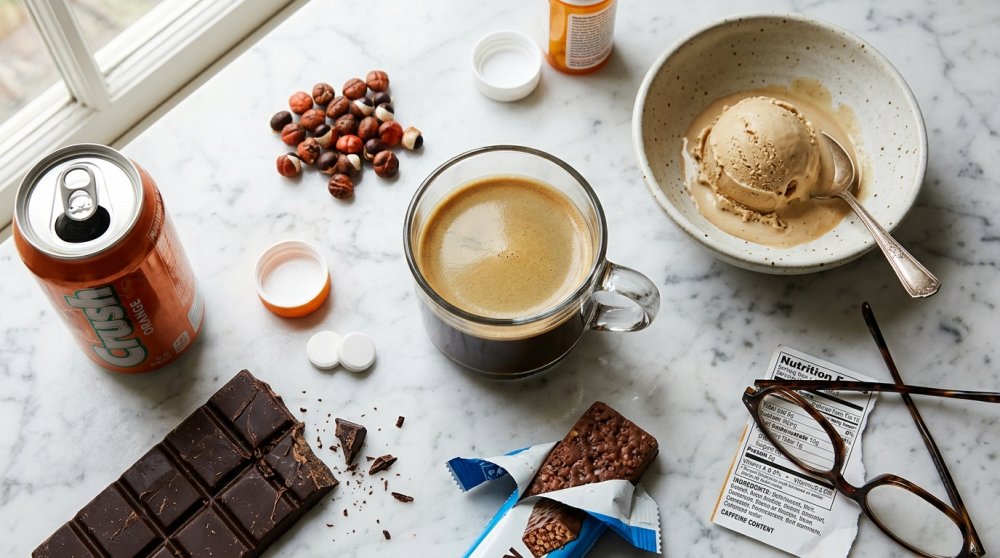
Health Points
- Decaffeinated coffee still contains 2–15 mg of caffeine per cup, not zero as many assume
- Chocolate products, protein bars, and flavored ice creams often deliver significant caffeine doses without warning labels
- Non-cola sodas, certain pain relievers, and even some breakfast cereals can contribute to daily caffeine intake
For millions of Americans over 40, that morning cup of coffee represents a trusted ritual—a known quantity of caffeine to start the day. But experts now warn that caffeine lurks in dozens of unexpected places throughout the modern diet, potentially pushing consumption beyond healthy limits without drinkers even realizing it.
The findings matter particularly for older adults managing blood pressure, sleep quality, and medication interactions. Understanding the full scope of dietary caffeine sources has become essential for making informed health choices.
The Decaf Deception
Perhaps the most surprising revelation concerns decaffeinated coffee itself. Despite its name, the beverage is not caffeine-free.
A standard cup of decaf contains between 2 and 15 milligrams of caffeine, depending on the brewing method and bean variety. While significantly lower than regular coffee’s 95 milligrams per cup, those numbers add up for people drinking multiple decaf servings daily or combining them with other hidden sources.
The issue becomes more pronounced with specialty coffee drinks. A decaf latte or cappuccino made with multiple espresso shots can deliver 15 to 30 milligrams—a dose that may affect sensitive individuals or those drinking several cups throughout the day.
Chocolate’s Stimulating Secret
Chocolate products represent another widespread but underestimated caffeine source. The stimulant occurs naturally in cacao beans, meaning any chocolate-containing food carries at least some caffeine.
Dark chocolate contains the highest concentrations, with a single ounce delivering approximately 12 to 25 milligrams of caffeine. Milk chocolate contains less—about 9 milligrams per 1.55-ounce bar—but Americans’ love of chocolate desserts means the doses accumulate quickly.
Hot cocoa, chocolate ice cream, chocolate cake, and even chocolate-flavored yogurt all contribute to daily intake. A chocolate dessert after dinner might explain why some people experience sleep difficulties despite avoiding afternoon coffee.
Beverages Beyond Coffee and Tea
While cola’s caffeine content is well-known, numerous other soft drinks contain the stimulant without the obvious branding. Orange soda, root beer, and several popular citrus-flavored beverages include caffeine in their formulations.
Energy drinks represent the most concentrated source, with some varieties containing 200 to 300 milligrams per can—equivalent to three cups of coffee. But newer categories blur the lines further.
Vitamin waters, flavored seltzers, and even certain fruit juices now come in caffeinated versions. The beverages often market themselves as healthy alternatives to soda, making the caffeine content particularly unexpected for health-conscious consumers.
Hidden Sources in the Medicine Cabinet
Over-the-counter medications represent one of the most overlooked caffeine sources. Many pain relievers combine acetaminophen or aspirin with caffeine, which enhances the pain-relieving effect.
A standard dose of some headache medications can contain 65 milligrams of caffeine—nearly as much as a cup of coffee. Cold and flu remedies, menstrual pain relievers, and certain diet pills also frequently include caffeine as an active ingredient.
For older adults taking multiple medications, these hidden sources can create unexpected interactions or side effects. Checking labels becomes essential, particularly for anyone advised to limit caffeine for health reasons.
Breakfast Foods Carrying a Buzz
The morning meal now harbors its own caffeine surprises. Several breakfast cereals contain chocolate or coffee flavoring that brings along natural caffeine.
Energy bars, protein bars, and granola products marketed for morning consumption increasingly include added caffeine as a selling point. Some varieties contain 40 to 80 milligrams per bar—a quarter to half the amount in a cup of coffee.
When combined with regular coffee, these breakfast additions can push early-morning caffeine intake higher than intended. For people experiencing afternoon jitters or energy crashes, the breakfast bar may share responsibility with the coffee mug.
Ice Cream and Frozen Treats
The freezer aisle presents another unexpected category. Coffee-flavored ice cream contains genuine coffee, delivering approximately 50 to 60 milligrams of caffeine per cup—more than half the amount in a brewed cup.
Even non-coffee flavors sometimes include caffeine. Chocolate varieties, mocha swirl options, and specialty flavors incorporating espresso or coffee pieces all contribute to daily totals.
An after-dinner bowl of coffee ice cream might seem like a harmless treat, but for caffeine-sensitive individuals, it can disrupt sleep patterns hours later.
Seeds and Nuts
Natural food sources extend beyond the obvious. Guarana, a plant extract used in some energy drinks and supplements, contains double the caffeine concentration of coffee beans.
Products listing guarana as an ingredient carry significant caffeine content even when not marketed as energy products. Some trail mixes, snack bars, and herbal supplements include guarana for its stimulating properties.
Kola nut, another natural caffeine source, appears in certain beverages and supplements. These botanical ingredients allow manufacturers to include caffeine while maintaining a “natural” product image.
Understanding Cumulative Effects
The health significance lies not in any single source but in the cumulative daily total. The FDA suggests 400 milligrams as a safe daily limit for most adults—equivalent to about four cups of coffee.
But someone who drinks two cups of coffee, takes a caffeinated pain reliever, eats a chocolate bar, and enjoys coffee ice cream after dinner might exceed that limit without realizing it. For adults over 50, smaller amounts may trigger side effects including elevated heart rate, anxiety, or sleep disruption.
Caffeine sensitivity tends to increase with age as metabolism slows. What felt like a moderate intake at 30 may prove excessive at 60, even without changing consumption habits.
Reading Labels and Making Choices
Health experts recommend reading ingredient labels with caffeine in mind. Current FDA regulations require caffeine disclosure on nutrition labels, but the rules don’t always make quantities obvious.
Foods containing chocolate or coffee as flavoring naturally contain caffeine, even when not explicitly labeled. Checking medication packaging for caffeine content matters equally, particularly when combining multiple over-the-counter products.
For people experiencing unexplained restlessness, digestive issues, or sleep problems, conducting a caffeine audit often reveals surprising consumption levels. Tracking all sources for several days typically identifies hidden contributors to daily totals.
Managing Intake After 40
Physicians generally recommend that adults over 40 pay closer attention to caffeine consumption, particularly those managing cardiovascular conditions, anxiety disorders, or sleep disturbances. The stimulant can interfere with common medications including certain antibiotics, antidepressants, and heart medications.
Reducing caffeine doesn’t necessarily mean eliminating beloved foods and drinks. Understanding which sources deliver the most significant doses allows for strategic choices.
Switching from dark to milk chocolate, checking medication labels before purchase, and choosing non-caffeinated versions of frozen treats and beverages all help manage intake without major lifestyle changes. Even being mindful of decaf coffee’s actual caffeine content helps people make informed decisions aligned with their health goals.
The key lies in awareness—recognizing that caffeine appears in far more places than the coffee pot, and that small amounts from multiple sources can create larger effects than expected.
