Nutrition
These 11 Snacks May Help Fight Inflammation in Your Body

Health Points
- Chronic inflammation has been linked to serious health conditions including heart disease, diabetes, and arthritis
- Anti-inflammatory snacks contain compounds like omega-3 fatty acids, antioxidants, and polyphenols that may help reduce inflammatory markers
- Incorporating whole foods such as nuts, berries, and fatty fish into your daily snacking routine supports overall health and wellness
As we age, managing inflammation becomes increasingly important for maintaining vitality and preventing chronic disease. The good news is that simple dietary choices can make a meaningful difference in how our bodies respond to inflammatory triggers.
Inflammation is the body’s natural defense mechanism against injury and infection. However, when inflammation becomes chronic, it can contribute to a range of health problems that affect quality of life, particularly for those over 40.
The path to better health doesn’t require extreme measures or expensive supplements. Research suggests that incorporating specific whole foods into your daily routine may help your body manage inflammation more effectively.
Understanding Inflammation and Diet
The connection between what we eat and how our bodies respond to inflammation has gained significant attention in recent years. Certain nutrients have been shown to possess anti-inflammatory properties that work at the cellular level.
Omega-3 fatty acids, antioxidants, fiber, and polyphenols are among the key compounds that researchers have identified as beneficial. These substances appear in many common foods that can easily be incorporated into snacking habits.
Eleven Powerful Anti-Inflammatory Snacks
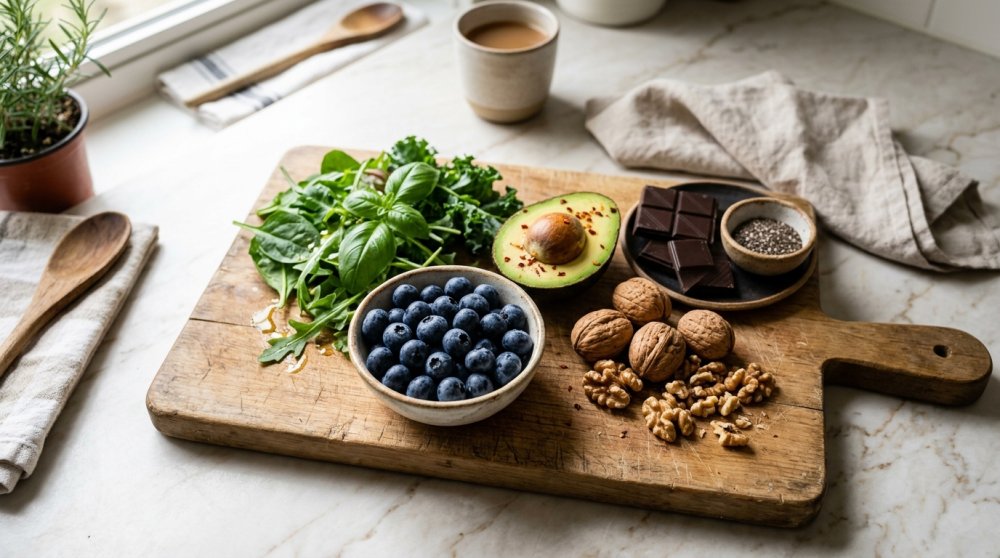
Walnuts stand out among tree nuts for their exceptional omega-3 content. Just a handful provides alpha-linolenic acid (ALA), which the body converts into anti-inflammatory compounds. Studies have associated regular walnut consumption with reduced markers of inflammation.
Blueberries pack a powerful antioxidant punch in a small package. These berries contain anthocyanins, compounds that give them their deep blue color and may help combat oxidative stress and inflammation throughout the body.
Dark chocolate with at least 70% cocoa content contains flavonoids that have demonstrated anti-inflammatory effects in research studies. Moderation is key, but a small square can satisfy sweet cravings while delivering beneficial compounds.
Salmon and other fatty fish provide some of the highest concentrations of EPA and DHA, omega-3 fatty acids strongly associated with reduced inflammation. Even smoked salmon on whole grain crackers makes an excellent snack choice.
Avocado offers healthy monounsaturated fats along with fiber and various vitamins. The creamy fruit contains compounds that may help reduce inflammation markers, particularly when paired with other nutrient-dense foods.
Green tea has been consumed for centuries in cultures known for longevity. Its high concentration of EGCG, a potent antioxidant, has been linked to reduced inflammation and oxidative damage in numerous studies.
Turmeric contains curcumin, one of the most studied anti-inflammatory compounds. Adding golden milk or turmeric-spiced nuts to your snack rotation may provide meaningful benefits over time.
Cherries, particularly tart varieties, have shown promise in reducing inflammatory markers. They’re rich in anthocyanins and have been studied for their potential to reduce pain associated with inflammatory conditions.
Extra virgin olive oil serves as more than a cooking fat. Drizzled on vegetables or used as a dip for whole grain bread, it provides oleocanthal, a compound with anti-inflammatory properties similar to ibuprofen.
Leafy greens like kale and spinach deliver vitamins, minerals, and antioxidants in abundance. Even a simple green smoothie or vegetable chips can contribute to your anti-inflammatory goals.
Chia seeds offer omega-3s, fiber, and protein in a tiny package. They can be sprinkled on yogurt, blended into smoothies, or made into pudding for a satisfying snack that supports wellness.
Making Inflammation-Fighting Choices
The beauty of these foods lies in their accessibility and versatility. None require elaborate preparation or specialized cooking skills, making them practical options for everyday life.
Building an anti-inflammatory eating pattern isn’t about perfection or restriction. It’s about gradually incorporating more whole, nutrient-dense foods while reducing processed options that may contribute to inflammation.
Consistency matters more than occasional heroic efforts. Making these foods regular parts of your routine allows their beneficial compounds to work over time, supporting your body’s natural processes.
The Bigger Picture
While dietary choices play an important role, they work best as part of a comprehensive approach to health. Regular physical activity, adequate sleep, stress management, and maintaining social connections all contribute to reducing chronic inflammation.
For those managing specific health conditions or taking medications, consulting with healthcare providers before making significant dietary changes ensures that choices align with individual health needs. What works well for one person may need modification for another.
The evidence continues to grow that simple, traditional whole foods offer powerful benefits for managing inflammation and supporting overall wellness. These eleven snacks represent an evidence-based approach to eating that honors both pleasure and health, proving that nourishing your body doesn’t require sacrifice or complexity.
