Lifestyle
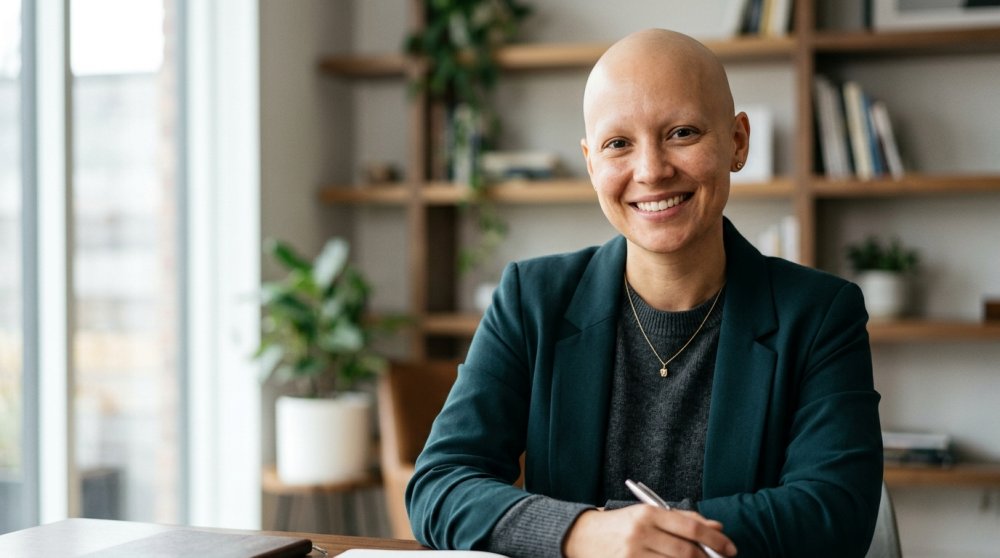
Woman Discovers Unexpected Confidence After Hair Loss Diagnosis

Health Points
- Alopecia areata is an autoimmune condition that causes patchy or complete hair loss and affects approximately 7 million Americans
- The condition often begins suddenly and can significantly impact emotional well-being and self-image, particularly for women
- Many people with alopecia find empowerment through embracing their appearance and connecting with supportive communities
For millions of Americans living with alopecia, the journey from diagnosis to self-acceptance can be transformative in unexpected ways. This autoimmune condition, which causes the body to attack its own hair follicles, affects people of all ages and backgrounds—but for some, it becomes a catalyst for personal growth.
Alopecia areata manifests differently for everyone. Some experience small patches of hair loss, while others lose all hair on their scalp or body. The unpredictable nature of the condition can make it particularly challenging to manage emotionally.
Medical professionals emphasize that while there’s no cure for alopecia, various treatments can help stimulate hair regrowth in some patients. These include corticosteroid injections, topical immunotherapy, and newer JAK inhibitor medications that have shown promise in clinical trials.
The psychological impact of sudden hair loss shouldn’t be underestimated. Hair has deep cultural and personal significance, especially for women who often view it as central to their identity and femininity. Support groups and counseling can play vital roles in helping individuals adjust to their diagnosis.
Beyond medical interventions, many people with alopecia find strength in embracing their appearance authentically. Some choose to wear wigs or scarves, while others decide to go without hair coverings entirely. The choice remains deeply personal and can evolve over time.
Celebrity advocates like Jada Pinkett Smith have brought increased visibility to alopecia, helping reduce stigma and encouraging open conversations about the condition. This public awareness has created more understanding and acceptance in workplaces, schools, and social settings.
Healthcare providers recommend that anyone experiencing unexplained hair loss consult a dermatologist for proper diagnosis. Early intervention with a qualified specialist can make a significant difference in treatment outcomes and emotional well-being.
The alopecia community has grown stronger through social media platforms and in-person support networks. These connections provide practical advice about everything from skincare routines for bare scalps to navigating social situations with confidence.
Research into alopecia treatments continues to advance, with scientists exploring the immune system mechanisms that trigger hair loss. Understanding these processes better may lead to more effective therapies in the future.
Living with alopecia requires resilience, but many who’ve traveled this path discover inner strength they didn’t know they possessed. The journey from shock and grief to acceptance and even celebration represents a profound shift in how we define beauty and self-worth.
For those newly diagnosed, connecting with others who share similar experiences can provide comfort and hope. The path forward may look different than expected, but it can lead to authentic self-expression and genuine confidence that transcends physical appearance.
