Mindfulness
The Simple Habit That Restores Your Self-Trust

Health Points
- Rebuilding confidence in your decision-making abilities strengthens mental resilience and reduces anxiety
- Learning to trust your judgment improves stress management and emotional well-being
- Cultivating self-assurance supports healthier relationships and personal boundaries
In an era of endless information and conflicting advice, many Americans over 40 find themselves second-guessing decisions they once made with ease. The quiet erosion of self-trust has become a modern epidemic, leaving people feeling paralyzed by choices that should feel natural.
Mental health experts point to a troubling trend: individuals who once navigated life’s challenges with confidence now find themselves seeking validation for even minor decisions. This shift has profound implications for overall wellness and quality of life.
The roots of this crisis run deep. Social media comparison, information overload, and a culture that constantly questions traditional wisdom have created an environment where trusting your own instincts feels risky. For those who built their lives on solid values and experience, this cultural shift can feel particularly destabilizing.
Yet reclaiming that inner confidence is both possible and essential for healthy aging. Psychologists emphasize that self-trust forms the foundation of mental resilience, affecting everything from relationship satisfaction to physical health outcomes.
The first step involves recognizing the difference between healthy skepticism and chronic self-doubt. While it’s wise to gather information before major decisions, constantly deferring to outside opinions undermines your accumulated wisdom and life experience.
Building self-trust requires intentional practice. Start with small, low-stakes decisions and honor your choices without immediately seeking confirmation from others. Notice when you make good calls based on your intuition and experience.
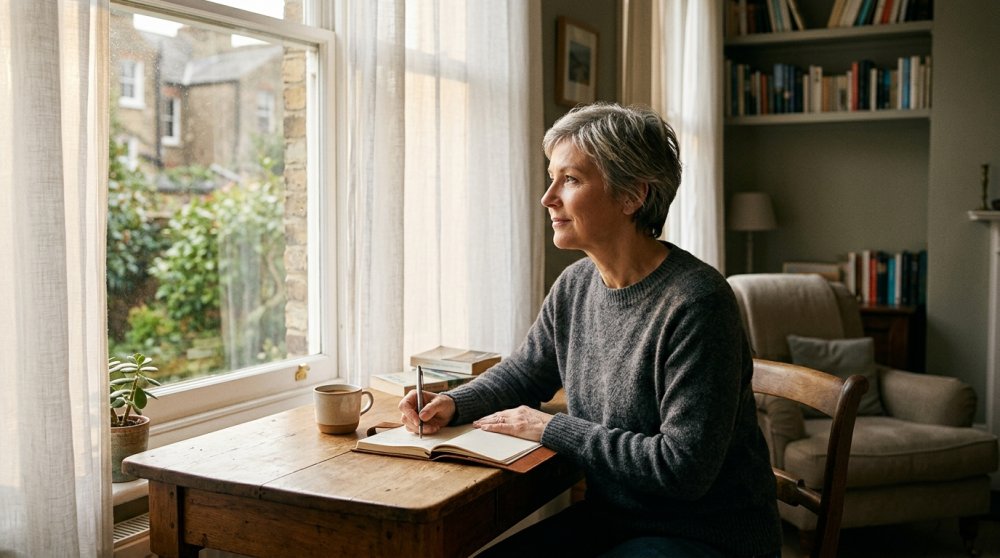
Track your decision-making patterns in a journal. Most people discover they make far more good choices than bad ones, but anxiety causes them to fixate on mistakes while dismissing successes. This awareness alone can shift perspective dramatically.
Research shows that older adults actually possess superior judgment in many areas compared to younger people, thanks to pattern recognition developed over decades. The key is accessing that wisdom without letting cultural noise drown it out.
Setting boundaries around information consumption helps restore clarity. Limiting exposure to contradictory advice and opinion overload creates mental space for your own reasoning to surface. This doesn’t mean avoiding information—it means curating it wisely.
Physical health plays a surprising role in decision-making confidence. Adequate sleep, regular exercise, and proper nutrition all support the cognitive function necessary for sound judgment. When your body feels strong, your mind follows.
Surrounding yourself with people who respect your autonomy rather than constantly offering unsolicited advice reinforces self-trust. Healthy relationships encourage independent thinking while providing support, not dependence.
Faith traditions have long recognized the importance of inner conviction. Many find that spiritual practices—whether prayer, meditation, or contemplation—help quiet external noise and connect with deeper certainty about the right path forward.
For those who’ve spent decades making responsible choices, trusting yourself isn’t arrogance—it’s acknowledging the value of your accumulated experience. Your judgment has been shaped by real consequences, real relationships, and real growth.
The cultural message that you should constantly defer to experts or trending opinions ignores a fundamental truth: you are the expert on your own life. No algorithm, influencer, or talking head knows your circumstances, values, or needs better than you do.
Rebuilding self-trust doesn’t happen overnight, but every decision you make without seeking immediate validation strengthens that muscle. Over time, the anxiety diminishes and confidence returns—not as blind certainty, but as earned assurance.
Your instincts, informed by decades of living, deserve respect. When you honor them, you’re not just making better decisions—you’re reclaiming the authority over your own life that no one else can provide.
