Lifestyle
What Really Happens to Your Body After Pregnancy

Health Points
- Pregnancy can cause lasting physical changes including breast volume loss, abdominal skin laxity, and muscle separation that lifestyle changes alone may not fully address
- Mommy makeover procedures target specific anatomical changes like stretched abdominal muscles and breast tissue alterations that diet and exercise cannot reverse
- A combination approach of healthy lifestyle habits plus targeted procedures may offer the most comprehensive results for postpartum body concerns
The journey of motherhood brings immeasurable joy, but it also leaves many women wondering why their bodies don’t bounce back despite their best efforts. Even with consistent exercise and nutritious eating, certain physical changes from pregnancy persist.
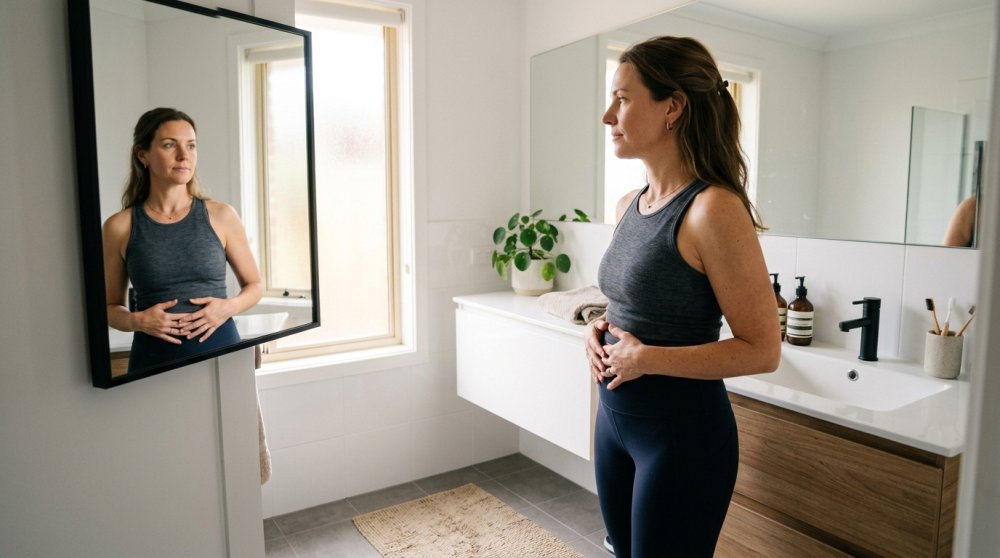
Many mothers notice their breasts have lost fullness or developed noticeable sagging after breastfeeding ends. The abdominal area often remains altered, with skin that won’t tighten and muscles that seem permanently stretched. These aren’t signs of failure—they’re evidence of the profound physical transformation pregnancy requires.
Understanding what lifestyle modifications can realistically achieve versus what surgical intervention addresses helps women make informed decisions about their postpartum wellness journey.
The Limits of Diet and Exercise
Regular physical activity and balanced nutrition form the foundation of healthy living at any age. For mothers over 40, these habits become even more critical for cardiovascular health, bone density, and metabolic function.
Yet certain pregnancy-related changes occur at the structural level. When abdominal muscles separate during pregnancy—a condition called diastasis recti—no amount of core exercises can pull those muscles back together. The connective tissue between them has permanently stretched.
Similarly, breast tissue that has expanded and contracted through pregnancy and nursing often experiences permanent changes in shape and volume. The skin’s elasticity decreases with age, making it less likely to naturally retract after significant stretching.
Stubborn fat deposits that resist targeted exercise efforts may also remain, particularly in the lower abdomen and hip areas where hormonal influences during pregnancy encouraged fat storage.
What Mommy Makeover Procedures Address
The term “mommy makeover” typically encompasses a combination of procedures designed to address specific anatomical changes from pregnancy. These commonly include breast augmentation or lift, tummy tuck, and liposuction.
A tummy tuck repairs separated abdominal muscles, removes excess skin, and can eliminate stretch marks in the lower abdomen. This surgical approach directly addresses structural changes that no lifestyle modification can reverse.
Breast procedures restore volume lost after nursing or lift sagging tissue to a more youthful position. For women whose breast size changed dramatically during pregnancy, these interventions can provide symmetry and shape that feel more aligned with their pre-pregnancy body.
Liposuction targets localized fat deposits that resist diet and exercise, particularly in areas where hormonal changes encouraged fat storage during pregnancy.
Recovery and Realistic Expectations
Surgical procedures require significant recovery time. Most women need several weeks away from strenuous activity, and full healing can take months. This timeline requires careful planning, especially for mothers managing young children.
The results aren’t permanent without maintenance. Future pregnancies will alter outcomes, and normal aging processes continue. Weight fluctuations can also impact results, making stable weight an important prerequisite.
Health screening becomes essential before any elective surgery, particularly for women over 40. Cardiovascular health, blood sugar control, and bone density all factor into surgical safety and recovery success.
The Role of Lifestyle in Long-Term Results
Whether or not a woman chooses surgical intervention, lifestyle habits remain the cornerstone of lasting wellness. Regular strength training helps maintain muscle mass that naturally decreases with age, while cardiovascular exercise supports heart health and metabolic function.
Nutrition becomes increasingly important after 40, when bone density concerns, hormonal changes, and metabolic shifts require attention. Adequate protein intake supports muscle maintenance, while calcium and vitamin D protect bone health.
Sleep quality and stress management also influence how the body ages and heals. Chronic stress elevates cortisol, which can encourage abdominal fat storage even with excellent diet and exercise habits.
Making an Informed Choice
The decision between accepting natural postpartum changes, pursuing lifestyle modifications alone, or considering surgical options is deeply personal. Each woman’s priorities, health status, and resources differ.
For some, understanding that certain changes are structural rather than correctible through effort alone brings relief. For others, that knowledge informs their decision to pursue procedures that address specific concerns.
Medical consultation with board-certified plastic surgeons and primary care physicians helps clarify what’s anatomically possible and medically appropriate. These conversations should address realistic outcomes, recovery demands, and how choices align with overall health goals.
Ultimately, the most sustainable approach recognizes that both surgical intervention and lifestyle habits have distinct roles. Neither replaces the other, and both work best when integrated into a comprehensive view of lifelong wellness.
