Nutrition
These Ten Vegetables Make Low-Carb Living Surprisingly Simple

Health Points
- Low-carb vegetables like leafy greens and cruciferous options contain fewer than 10 grams of carbs per serving while providing essential nutrients
- Non-starchy vegetables support ketogenic diets by offering fiber, vitamins, and minerals without disrupting ketosis
- Strategic vegetable choices help maintain balanced nutrition while adhering to low-carbohydrate eating patterns
Following a ketogenic diet doesn’t mean abandoning vegetables entirely. The key lies in selecting the right varieties that align with low-carbohydrate principles while delivering nutritional benefits.
Understanding which vegetables fit within ketogenic parameters helps individuals maintain both their health goals and dietary restrictions. The distinction between starchy and non-starchy vegetables becomes particularly important for those monitoring carbohydrate intake.
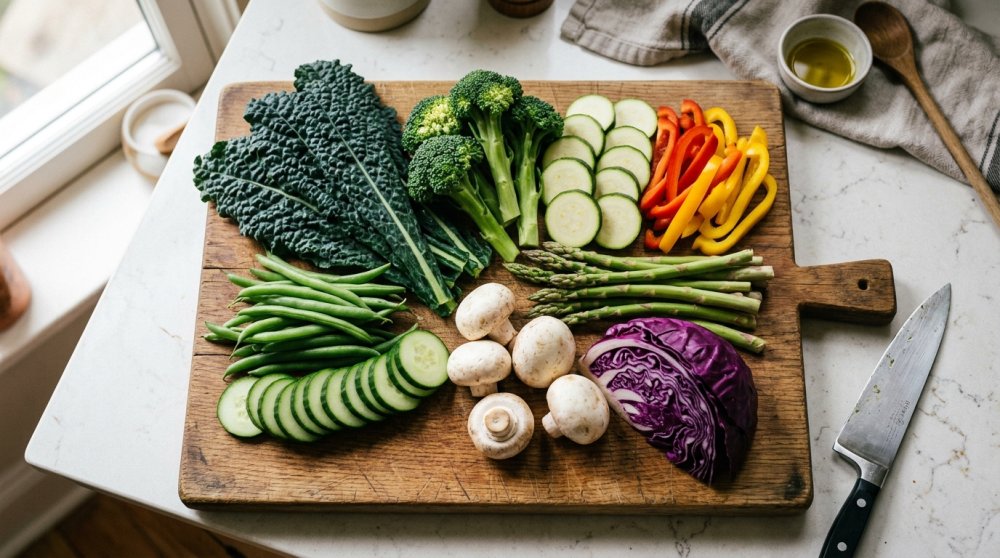
Leafy greens stand out as exceptional choices for ketogenic eating patterns. Spinach, kale, and lettuce varieties provide vitamins A, C, and K along with folate and iron while containing minimal carbohydrates—typically under 5 grams per generous serving.
Cruciferous vegetables including broccoli, cauliflower, and Brussels sprouts offer versatility in meal preparation. These vegetables contain fiber that supports digestive health and can be prepared through roasting, steaming, or incorporating into various dishes while maintaining their low-carb profile.
Zucchini has gained popularity as a pasta alternative, delivering only 3 grams of net carbs per cup. This summer squash provides vitamin C and potassium while offering a neutral flavor that adapts well to different seasonings and cooking methods.
Bell peppers contribute color and crunch to ketogenic meals with approximately 6 grams of carbs per medium pepper. Red varieties contain higher amounts of vitamin C and antioxidants compared to their green counterparts, though all colors remain suitable for low-carb eating.
Asparagus delivers folate, vitamins K and C, and only 4 grams of net carbs per cup. This springtime vegetable supports healthy blood pressure and provides prebiotic fiber that nourishes beneficial gut bacteria.
Cucumber stands as one of the lowest-carb options available, containing just 2 grams of carbs per cup of sliced cucumber. Its high water content promotes hydration while providing small amounts of vitamin K and potassium.
Green beans offer a slightly higher carb count at 7 grams per cup but remain within acceptable ranges for most ketogenic approaches. They provide fiber, vitamin C, and manganese while adding textural variety to meals.
Mushrooms contribute savory umami flavor with minimal carbohydrates—most varieties contain 2-3 grams per cup. They provide B vitamins, selenium, and antioxidants while serving as satisfying additions to proteins and salads.
Cabbage provides versatility for both raw and cooked applications with only 5 grams of carbs per cup. This cruciferous vegetable offers vitamin C, vitamin K, and compounds that may support cellular health, making it valuable for coleslaw, stir-fries, or fermented preparations.
Selecting vegetables strategically allows individuals following ketogenic diets to obtain necessary micronutrients while maintaining the metabolic state of ketosis. These ten options provide practical choices for creating satisfying, nutritionally complete meals within low-carbohydrate frameworks.
Proper meal planning that incorporates these vegetables helps prevent nutrient deficiencies commonly associated with restrictive eating patterns. The fiber content in these selections supports digestive regularity—an important consideration for those reducing overall carbohydrate consumption.
Understanding portion sizes remains important even with low-carb vegetables, as quantities do affect total daily carbohydrate intake. Most ketogenic approaches recommend 20-50 grams of net carbs daily, making vegetable selection and measurement significant factors in dietary success.
