Nutrition
The Natural Sweetener That’s Changing How Americans Manage Blood Sugar

Health Points
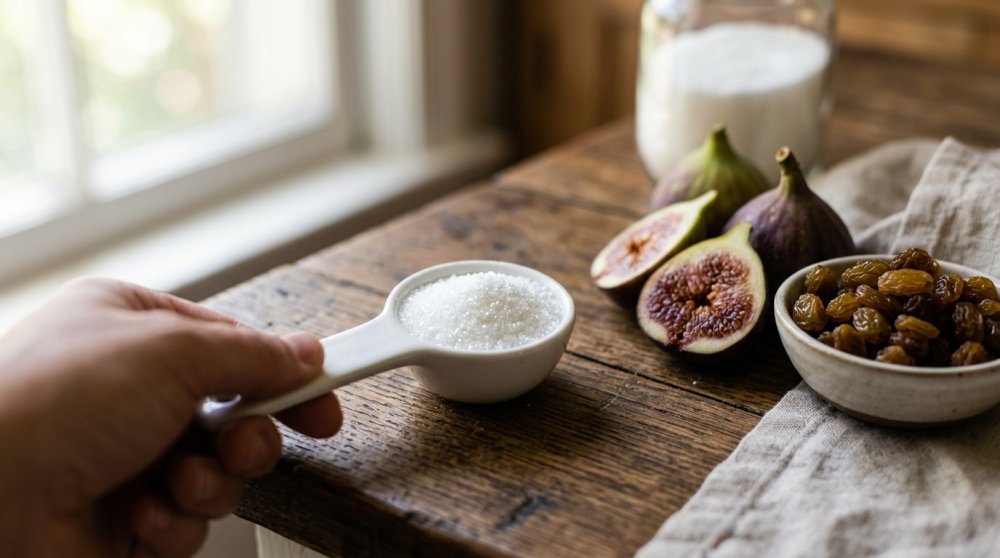
- Allulose is a rare sugar found naturally in small amounts in figs, raisins, and maple syrup that tastes like table sugar but contains only 10% of the calories
- Research shows allulose may help regulate blood sugar levels and support modest weight loss when used as part of a balanced diet
- Unlike artificial sweeteners, allulose is generally recognized as safe by the FDA and doesn’t trigger the same insulin response as regular sugar
For Americans over 40 navigating the complexities of blood sugar management and weight control, a naturally occurring sweetener is gaining attention from health researchers and nutrition experts alike. Allulose, a rare sugar that exists in trace amounts in certain fruits, offers the sweetness of table sugar with a fraction of the calories—and potentially significant health benefits.
Found naturally in figs, raisins, and maple syrup, allulose has a molecular structure similar to fructose but is processed differently by the body. This distinction matters because while allulose tastes remarkably like regular sugar, it contains only about 0.4 calories per gram compared to sugar’s 4 calories per gram—a 90% reduction that has caught the attention of researchers studying metabolic health.
The science behind allulose centers on how our bodies handle this unique compound. Unlike regular sugar, allulose is absorbed in the small intestine but not metabolized for energy, meaning most of it passes through the body without being converted to glucose or stored as fat.
Studies published in nutrition and metabolism journals have documented three primary benefits that make allulose particularly relevant for those managing their health in midlife and beyond.
Blood Sugar Regulation
Research indicates that allulose may help blunt the blood sugar spike that typically follows a meal. In studies where participants consumed allulose alongside carbohydrate-rich foods, blood glucose levels rose more gradually compared to when the same foods were eaten with regular sugar or no sweetener at all.
This effect appears to work through multiple mechanisms. Allulose may slow the absorption of glucose in the intestines and potentially enhance insulin sensitivity—the body’s ability to use insulin effectively to clear sugar from the bloodstream.
For individuals monitoring their glucose levels or those with prediabetes, this gentler impact on blood sugar represents a meaningful advantage. The sweetener allows for enjoyment of sweet foods without the dramatic glucose fluctuations that can contribute to energy crashes and long-term metabolic complications.
Weight Management Support
The dramatic calorie reduction offered by allulose creates an obvious pathway to weight management—simply replacing sugar with allulose in recipes and beverages eliminates a substantial number of calories. But research suggests the benefits may extend beyond simple calorie mathematics.
Some studies have found that allulose consumption may influence fat metabolism and reduce fat accumulation. In controlled trials, participants who incorporated allulose into their diets showed modest reductions in body fat percentage over several weeks, even when total calorie intake was held constant.
While these effects are not dramatic enough to replace the fundamentals of healthy eating and regular physical activity, they do suggest that allulose may offer metabolic advantages beyond its role as a low-calorie sweetener. For those working to maintain a healthy weight as metabolism naturally slows with age, every small advantage counts.
Digestive Tolerance
Unlike some sugar alcohols that can cause significant digestive discomfort, allulose is generally well-tolerated at moderate intake levels. Most people can consume reasonable amounts—typically up to about 10 grams per serving—without experiencing the bloating, gas, or laxative effects associated with other alternative sweeteners.
That said, individual tolerance varies, and consuming large quantities of allulose can lead to digestive upset in some people. Health experts recommend starting with small amounts and gradually increasing intake to assess personal tolerance.
Practical Considerations
Allulose is available in both granulated and liquid forms and can be used in baking and cooking, though it doesn’t caramelize quite like regular sugar. It’s about 70% as sweet as table sugar, meaning recipes may need slight adjustments.
The sweetener has received “generally recognized as safe” status from the Food and Drug Administration and doesn’t require listing under “added sugars” on nutrition labels—a reflection of its minimal impact on blood glucose and calorie content.
Cost remains a consideration, as allulose is typically more expensive than regular sugar or common artificial sweeteners. Prices have been decreasing as production methods improve, but it remains a premium product.
The Bigger Picture
Nutrition experts emphasize that no single ingredient—however promising—can compensate for overall dietary patterns. Allulose works best as part of a comprehensive approach to healthy eating that prioritizes whole foods, adequate protein, plenty of vegetables, and appropriate portion sizes.
For those already following sound nutritional principles and looking for ways to reduce sugar intake without sacrificing enjoyment, allulose represents a science-backed option. Its natural origin, favorable safety profile, and documented benefits for blood sugar and weight management make it a compelling choice among the growing array of sugar alternatives.
As research continues, allulose may prove to be more than just another sweetener—it could represent a meaningful tool for Americans seeking to maintain metabolic health as they age. In an era where dietary advice often seems contradictory and overwhelming, having options backed by solid research provides a welcome sense of clarity.
