Health
The Surprising Toothpaste Amount Most Americans Get Wrong

Health Points
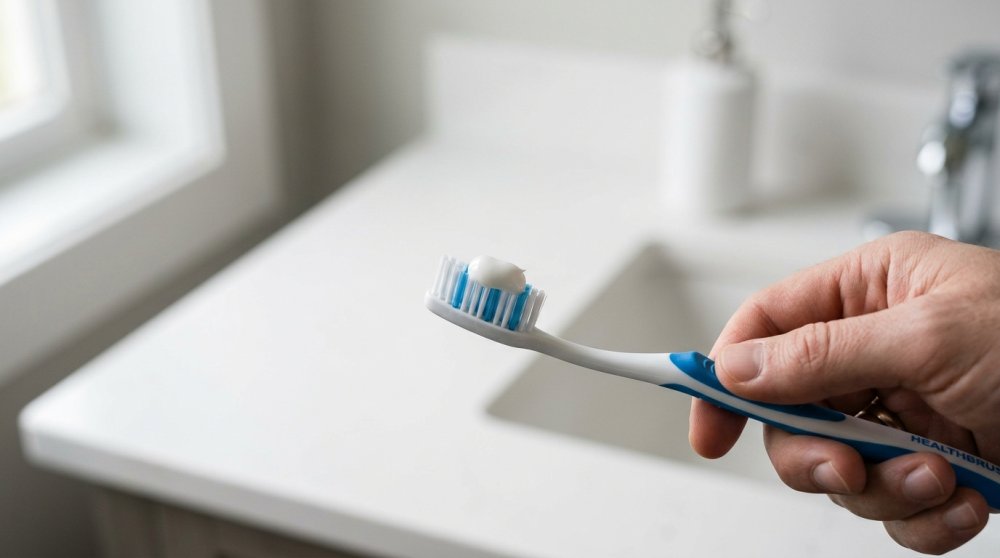
- A pea-sized amount of toothpaste is sufficient for effective brushing, despite marketing images showing much more
- Using excessive toothpaste increases the risk of fluoride ingestion, particularly concerning for young children
- Proper brushing technique matters more than the amount of toothpaste used for maintaining oral health
Americans have been squeezing too much toothpaste onto their brushes for decades, influenced by advertising imagery that bears little resemblance to what dental professionals actually recommend. The colorful swirl covering the entire length of the brush looks appealing in commercials, but it’s far more than anyone needs.
Dental experts consistently recommend using just a pea-sized amount of toothpaste for adults. For children under three years old, the appropriate amount is even smaller—about the size of a grain of rice.
Dr. Mark Burhenne, a California-based dentist with over 30 years of experience, emphasizes the distinction between marketing and medical necessity.
“The images we see in toothpaste advertisements are designed to sell product, not to educate consumers about proper dental hygiene.”
The fluoride content in toothpaste provides the primary benefit for preventing cavities and strengthening enamel. A small amount delivers the necessary fluoride without creating excess foam or increasing the risk of swallowing too much of the substance.
For young children still developing swallowing reflexes, excessive toothpaste consumption poses particular concerns. Ingesting too much fluoride during the teeth-forming years can lead to dental fluorosis, a condition that causes discoloration and spotting on permanent teeth.
The American Dental Association confirms that technique trumps quantity when it comes to effective brushing. Brushing for two minutes twice daily, reaching all tooth surfaces, and using gentle circular motions accomplish more than loading up on paste.
Parents should supervise children’s brushing until age six or seven to ensure they use the correct amount and don’t swallow toothpaste. Teaching proper habits early establishes patterns that last a lifetime.
Beyond the health considerations, using less toothpaste stretches household budgets further. A tube that might last one month with excessive use can extend to three months or more with appropriate portioning.
Dr. Sandra Eleczko, a pediatric dentist in Ohio, addresses common misconceptions about foam and cleaning power.
“Many people associate more foam with better cleaning, but that’s simply not true. The mechanical action of the brush bristles does most of the work.”
The traditional visual of toothpaste covering the entire brush head dates back to mid-20th century advertising campaigns. These marketing images became so ubiquitous that multiple generations now consider them the standard, despite no dental basis for the practice.
For those who prefer natural or fluoride-free toothpastes, the pea-sized guideline still applies. While these alternatives lack fluoride’s protective benefits, using more doesn’t compensate for that absence.
Dental professionals note that proper oral hygiene involves more than just toothpaste quantity. Flossing daily, limiting sugary foods and drinks, staying hydrated, and scheduling regular dental checkups all contribute significantly to long-term oral health.
The good news for consumers? Breaking the habit of over-applying toothpaste takes minimal effort and delivers immediate benefits. Simply visualizing a green pea before squeezing provides an easy reference point.
As Americans become more health-conscious and budget-aware, small adjustments to daily routines can yield meaningful improvements. Getting toothpaste portions right represents one simple change that benefits both personal wellness and the wallet.
