Nutrition
The Ancient Seed That May Help Protect Your Heart and Bones

Health Points
- Sesame seeds deliver powerful plant compounds that support heart health and may help reduce cholesterol levels
- These tiny seeds pack impressive amounts of calcium and magnesium, essential minerals for maintaining strong bones as we age
- Rich in healthy fats and protein, sesame seeds provide sustained energy while helping regulate blood sugar levels
For thousands of years, cultures around the world have recognized sesame seeds as more than just a tasty garnish. Modern science is now catching up, revealing why these tiny nutritional powerhouses deserve a prominent place in your diet—especially after 40.
These unassuming seeds have been cultivated for over 3,000 years, making them one of the oldest oilseed crops known to humanity. What ancient civilizations understood intuitively, researchers are now confirming through clinical studies: sesame seeds offer remarkable health benefits that align perfectly with the wellness priorities of adults seeking to maintain vitality and independence.
Each tablespoon of sesame seeds contains approximately 52 calories, 1.6 grams of protein, 4.5 grams of fat (primarily heart-healthy unsaturated fats), and 2.1 grams of carbohydrates. But the real story lies in what else these seeds deliver: essential minerals, powerful antioxidants, and unique compounds called lignans that work together to support multiple body systems.
The nutritional profile includes significant amounts of calcium, magnesium, iron, zinc, and B vitamins—nutrients that become increasingly important as we age. A single tablespoon provides about 9% of your daily calcium needs and 8% of your magnesium requirements, both crucial for bone health.
Supporting Heart Health Through Plant Power
Heart disease remains the leading health concern for Americans over 40, making cardiovascular protection a top priority. Sesame seeds contain sesamin and sesamolin, two lignans that research suggests may help reduce cholesterol levels and support healthy blood pressure.
Studies have shown that consuming sesame seeds regularly may help lower LDL (bad) cholesterol while maintaining or even increasing HDL (good) cholesterol. The polyunsaturated and monounsaturated fats in sesame seeds work alongside these lignans to promote heart health from multiple angles.
The antioxidants in sesame seeds also help combat oxidative stress, which plays a significant role in cardiovascular aging. By neutralizing harmful free radicals, these compounds support the health of blood vessels and heart tissue.
Building and Maintaining Strong Bones
Bone health becomes a critical focus as we age, particularly for women navigating menopause. Sesame seeds offer an impressive plant-based source of calcium, providing a valuable option for those who avoid dairy or seek to diversify their calcium sources.
Beyond calcium, sesame seeds deliver magnesium, zinc, and phosphorus—minerals that work synergistically to support bone density and strength. Magnesium, in particular, helps your body absorb and utilize calcium effectively, making the combination found in sesame seeds especially beneficial.
The seeds also contain compounds that may help reduce inflammation in joints and bones. This anti-inflammatory action supports overall skeletal health and comfort as the years advance.
Balancing Blood Sugar Naturally
Managing blood sugar becomes increasingly important with age, as insulin sensitivity naturally declines. Sesame seeds contain pinoresinol, a compound that research indicates may help regulate blood sugar by affecting certain enzymes involved in carbohydrate metabolism.
The fiber content in sesame seeds—2.1 grams per tablespoon—helps slow the absorption of sugars into the bloodstream. This creates a more gradual, sustained energy release rather than the spikes and crashes associated with refined carbohydrates.
The combination of healthy fats, protein, and fiber makes sesame seeds an excellent addition to meals for those focused on maintaining stable blood sugar levels throughout the day.
Reducing Inflammation Throughout the Body
Chronic inflammation underlies many age-related health challenges, from arthritis to cardiovascular disease. Sesame seeds contain several compounds with anti-inflammatory properties, including sesamin, sesamolin, and vitamin E.
Research suggests that regular consumption of sesame seeds may help reduce inflammatory markers in the body. This systemic effect can support joint comfort, cardiovascular health, and overall wellness as we navigate the aging process.
The anti-inflammatory benefits extend to the digestive system as well, where sesame seeds’ healthy fats and fiber work together to support gut health and regular elimination.
Protecting Brain Function and Memory
Cognitive health ranks among the top concerns for adults over 40. The nutrients and compounds in sesame seeds offer promising support for brain function and mental clarity.
The antioxidants in sesame seeds help protect brain cells from oxidative damage, which accumulates over time and contributes to cognitive decline. Sesamin and other lignans may also support healthy brain aging by reducing inflammation in neural tissues.
B vitamins, including thiamin and niacin found in sesame seeds, play essential roles in brain metabolism and neurotransmitter production. These nutrients support mental energy, focus, and mood regulation.
Strengthening Immune Response
A robust immune system becomes more important—and sometimes more challenging to maintain—as we age. Sesame seeds provide zinc, selenium, and other minerals crucial for immune function.
The antioxidants in sesame seeds support immune health by protecting immune cells from oxidative damage. This preservation of immune cell function helps your body respond effectively to threats while avoiding excessive inflammatory responses.
The healthy fats in sesame seeds also support the production of immune-regulating compounds. This balanced immune support is particularly valuable for maintaining wellness through all seasons.
Promoting Healthy Skin from Within
Skin changes are among the most visible signs of aging, making skin health a priority for many adults. Sesame seeds contain nutrients that support skin health from the inside out.
The zinc in sesame seeds plays a vital role in collagen production and skin repair. Vitamin E and other antioxidants help protect skin cells from damage caused by UV exposure and environmental stressors.
The healthy fats in sesame seeds support skin moisture and elasticity. These same fats help your body absorb fat-soluble vitamins that contribute to skin health and appearance.
Supporting Hormonal Balance
Hormonal changes affect both men and women as they age, with particularly dramatic shifts occurring during menopause. The lignans in sesame seeds have phytoestrogen properties—meaning they can interact with estrogen receptors in the body.
Research suggests that these plant compounds may help ease some menopausal symptoms by providing gentle hormonal support. While more research is needed, the traditional use of sesame seeds for hormonal health across various cultures suggests meaningful benefits.
The mineral content in sesame seeds also supports the endocrine system more broadly, helping maintain healthy hormone production and metabolism throughout the body.
Easy Ways to Enjoy Sesame Seeds
Incorporating sesame seeds into your daily routine requires minimal effort. Sprinkle them over salads, yogurt, or oatmeal for an instant nutritional boost. Toast them lightly in a dry pan to enhance their nutty flavor before adding to dishes.
Tahini—sesame seed butter—offers a convenient way to enjoy these benefits. Spread it on whole grain toast, blend it into smoothies, or use it as a base for salad dressings and sauces.
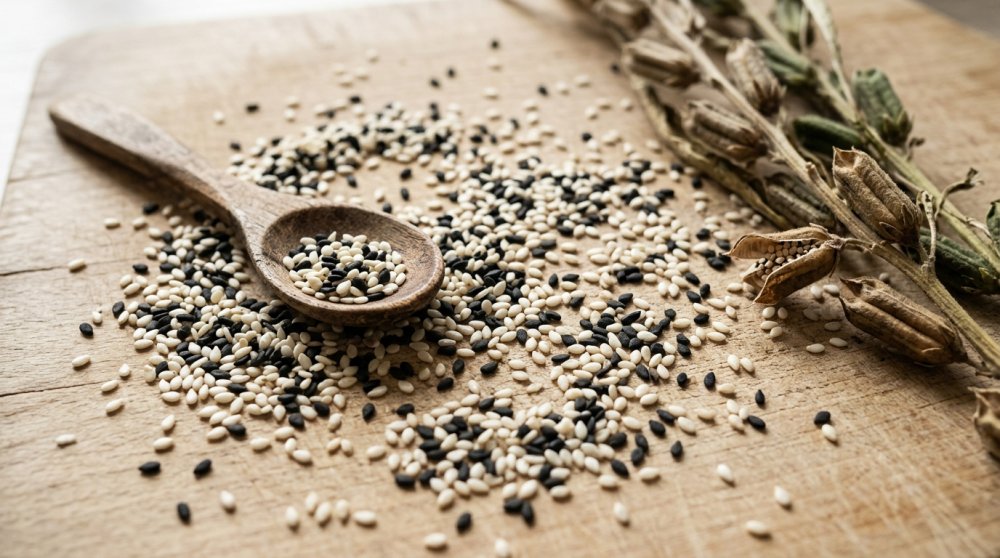
Black sesame seeds and white sesame seeds offer similar nutritional profiles, though black sesame seeds contain slightly higher levels of certain antioxidants. Both varieties work well in cooking and baking.
Ground sesame seeds may offer better nutrient absorption than whole seeds, as the hard outer shell can pass through the digestive system intact. Consider grinding them in a coffee grinder or purchasing pre-ground sesame seed meal.
Store sesame seeds in an airtight container in a cool, dark place or refrigerate them to prevent the healthy oils from becoming rancid. Properly stored, they’ll maintain quality for several months.
Most adults can safely enjoy one to two tablespoons of sesame seeds daily. Those with sesame allergies should obviously avoid them, and anyone taking blood pressure or blood sugar medications should consult their healthcare provider before adding significant amounts to their diet, as sesame seeds may enhance the effects of these medications.
