Nutrition
The Mysterious Liquid Pooling in Your Yogurt Container Has a Purpose

Health Points
- The liquid on yogurt, called whey, is a protein-rich byproduct of fermentation containing essential nutrients and probiotics
- Stirring whey back into yogurt enhances nutritional value and improves texture, while pouring it out wastes beneficial protein
- Proper storage techniques, including keeping yogurt refrigerated at consistent temperatures, can minimize whey separation
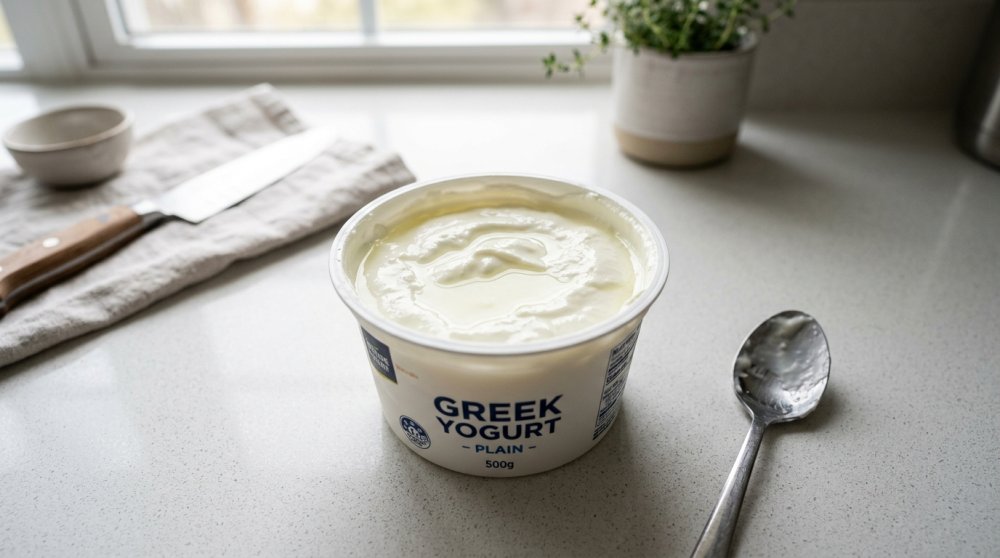
Open a container of yogurt, and there’s a good chance you’ll find a thin layer of liquid pooling on top. For many people, the instinct is to pour it down the drain. But according to nutrition experts, that cloudy liquid deserves a second look.
The substance in question is whey, a natural byproduct of the yogurt-making process. “Whey is the liquid portion of milk that separates during fermentation,” explains registered dietitian Amanda Miller. “It contains protein, vitamins, and minerals that contribute to yogurt’s overall nutritional profile.”
During fermentation, beneficial bacteria convert lactose into lactic acid, causing milk proteins to coagulate and separate from the liquid whey. This process is completely normal and occurs in most types of yogurt, particularly Greek yogurt, which undergoes additional straining.
The appearance of whey doesn’t indicate spoilage or quality issues. Temperature fluctuations during storage and transportation often accelerate separation, but the yogurt remains safe to consume. “If your yogurt has been stored properly and hasn’t exceeded its expiration date, that liquid is perfectly fine to eat,” Miller notes.
From a nutritional standpoint, whey offers meaningful benefits. It contains whey protein, a complete protein source with all nine essential amino acids. The liquid also harbors live probiotics—the same beneficial bacteria that make yogurt a gut-health powerhouse.
“By pouring out the whey, you’re discarding valuable protein and probiotics,” says registered dietitian nutritionist Sarah Chen. “Stirring it back into the yogurt is the best way to maximize nutritional value.”
Reincorporating whey also improves texture. Mixing the liquid back into the yogurt creates a smoother, creamier consistency that many people find more appealing than the thicker, denser texture of drained yogurt.
For those who prefer less liquid, Chen suggests a middle-ground approach. “You can pour off a small amount if you really dislike the consistency, but try to stir most of it back in to retain the nutritional benefits,” she recommends.
Storage practices can influence how much whey separates. Keeping yogurt refrigerated at a consistent temperature between 35 and 40 degrees Fahrenheit minimizes separation. Avoid leaving yogurt at room temperature for extended periods, and always use clean utensils to prevent bacterial contamination.
Some yogurt varieties experience more whey separation than others. Traditional yogurt tends to develop more liquid on top compared to Greek yogurt, which has already undergone straining to remove excess whey. Yogurts with added stabilizers like pectin or gelatin may show less separation because these ingredients help bind water molecules.
The takeaway is clear: that mysterious liquid deserves to stay in your yogurt container. “Whey is nutrient-dense and beneficial for your health,” Chen emphasizes. “Give it a good stir and enjoy all the goodness yogurt has to offer.”
Next time you open a yogurt container and spot that watery layer, resist the urge to dump it out. Your body—and your taste buds—will thank you.
