Nutrition
Ceremonial Green Tea Delivers Eight Measurable Health Benefits

Health Points
- Matcha contains up to 137 times more antioxidants than regular green tea and may support cardiovascular function and mental clarity
- Research shows daily consumption of green tea compounds may reduce inflammation and support healthy blood pressure levels
- The unique combination of caffeine and L-theanine in matcha promotes sustained focus without the jitters associated with coffee
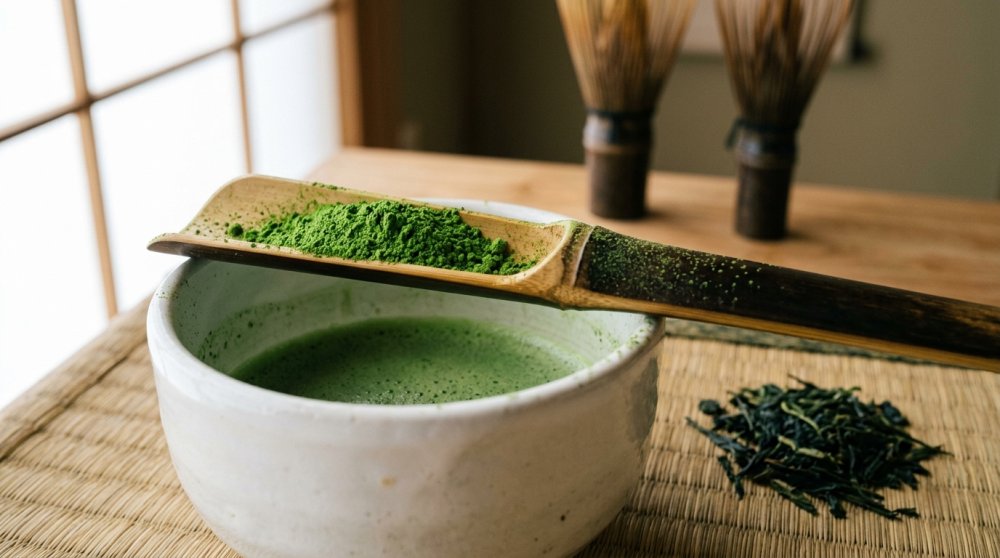
Traditional Japanese matcha powder has emerged from ceremonial practices into mainstream wellness conversations, and for good reason. This vibrant green powder, made from specially grown tea leaves, delivers a concentrated dose of nutrients that researchers are linking to multiple health benefits.
Unlike conventional green tea, matcha involves consuming the entire leaf in powder form. This means drinkers receive the full spectrum of nutrients rather than just what steeps into hot water. The result is a significantly higher concentration of beneficial compounds, particularly antioxidants.
Health researchers have identified eight distinct areas where regular matcha consumption may support wellbeing. The evidence ranges from cardiovascular support to cognitive enhancement, with studies showing measurable improvements in several health markers.
Cardiovascular Support Through Plant Compounds
The heart health benefits of matcha stem primarily from compounds called catechins, particularly epigallocatechin gallate (EGCG). Research published in cardiovascular journals has demonstrated that these plant-based antioxidants may help maintain healthy cholesterol levels and support normal blood pressure ranges.
Studies involving thousands of participants who consumed green tea regularly showed lower rates of cardiovascular concerns compared to non-tea drinkers. The concentrated nature of matcha means these protective compounds are delivered in higher doses than traditional brewed tea.
Clinical trials have also indicated that regular green tea consumption may support healthy blood vessel function, an essential component of cardiovascular wellness. The anti-inflammatory properties of matcha’s antioxidants contribute to this protective effect.
Brain Function and Mental Clarity
Matcha contains a unique combination of caffeine and L-theanine, an amino acid that promotes a state of calm alertness. This pairing creates a different cognitive experience than coffee, providing sustained energy without the sudden crash that often follows coffee consumption.
Research on L-theanine has shown it increases alpha brain wave activity, associated with relaxed focus and creativity. When combined with caffeine, this compound appears to enhance attention and processing speed while reducing the anxiety sometimes triggered by caffeine alone.
Studies measuring cognitive performance have found that matcha consumption before mentally demanding tasks resulted in improved accuracy and faster reaction times. The sustained release of caffeine from matcha, compared to coffee’s rapid spike, contributes to this steady cognitive enhancement.
Antioxidant Capacity Beyond Other Foods
Laboratory analysis has revealed that matcha contains significantly higher antioxidant levels than many foods celebrated for their protective compounds. The ORAC (oxygen radical absorbance capacity) score of matcha surpasses that of blueberries, dark chocolate, and pomegranates.
These antioxidants combat oxidative stress, a process linked to cellular aging and various health concerns. By neutralizing free radicals—unstable molecules that can damage cells—matcha’s antioxidants may support the body’s natural defense systems.
The concentration of EGCG in matcha is particularly noteworthy. This catechin has been the subject of extensive research for its potential protective properties, with studies suggesting it may support healthy cellular function throughout the body.
Blood Sugar Balance and Metabolic Health
Research examining green tea’s effects on glucose metabolism has shown promising results. Studies indicate that regular consumption may support healthy blood sugar levels, particularly beneficial for those monitoring their metabolic health.
The catechins in matcha appear to influence how the body processes carbohydrates and regulates insulin sensitivity. Clinical trials have demonstrated that green tea extract may help maintain blood sugar within normal ranges when consumed as part of a balanced diet.
For individuals concerned about metabolic wellness, adding matcha to their routine may provide supportive benefits. However, experts emphasize that tea consumption should complement, not replace, established healthy eating patterns and lifestyle habits.
Natural Energy Without the Crash
The caffeine content in matcha ranges from 19 to 44 milligrams per gram of powder, significantly less than coffee but delivered differently. The presence of L-theanine moderates caffeine’s effects, resulting in a gradual energy increase that can last four to six hours.
This sustained energy release makes matcha particularly appealing for those sensitive to coffee’s sometimes jarring effects. Users report feeling alert and focused without experiencing the nervousness or subsequent fatigue that can follow coffee consumption.
The combination also appears to support better sleep quality compared to late-afternoon coffee consumption. The calming properties of L-theanine counterbalance caffeine’s stimulating effects, making matcha less likely to interfere with nighttime rest.
Immune System Support
The same catechins that support cardiovascular health also appear to bolster immune function. Research has shown that EGCG possesses properties that may support the body’s natural defenses against common health challenges.
Laboratory studies have demonstrated that green tea compounds can support healthy immune cell activity. While most research has been conducted in controlled settings, population studies show that regular tea drinkers report fewer seasonal health concerns.
The anti-inflammatory effects of matcha’s antioxidants may also contribute to immune wellness by helping maintain the body’s balanced inflammatory response—a key component of overall health resilience.
Skin Health From the Inside Out
The antioxidants in matcha don’t just work internally—they may also support skin health. Research has explored how green tea compounds protect against environmental stressors that can accelerate visible signs of aging.
Studies have shown that the polyphenols in green tea may help protect skin cells from damage caused by UV exposure and oxidative stress. Some research suggests that both consuming and topically applying green tea compounds may support skin’s natural protective mechanisms.
The anti-inflammatory properties of matcha may also benefit those dealing with common skin concerns. While more research is needed, preliminary findings suggest that green tea consumption may support clearer, healthier-looking skin.
Weight Management Support
Green tea extract has been studied extensively for its potential role in healthy weight management. Research indicates that the catechins in matcha may support metabolism and encourage healthy fat oxidation when combined with regular physical activity.
Clinical trials have shown modest but measurable effects on body composition among participants who consumed green tea regularly while maintaining exercise routines. The thermogenic properties of green tea appear to slightly increase calorie expenditure.
Nutrition experts caution that matcha is not a weight-loss solution on its own. Rather, it may provide supportive benefits when incorporated into a comprehensive approach that includes balanced nutrition and regular movement.
Choosing Quality Matcha
Not all matcha products deliver equal benefits. Ceremonial grade matcha, the highest quality variety, contains the most concentrated nutrients and provides the smoothest taste. This grade uses the youngest tea leaves, carefully stone-ground to preserve their beneficial compounds.
Culinary grade matcha, while less expensive, works well for cooking and baking but may have a more bitter flavor. For those seeking maximum health benefits, ceremonial grade remains the better choice for drinking.
When selecting matcha, look for vibrant green color and fine texture. Quality matcha should dissolve easily in liquid without clumping. Japanese-grown matcha from reputable sources typically undergoes stricter quality controls and testing for contaminants.
Incorporating Matcha Into Daily Routine
Traditional preparation involves whisking one to two teaspoons of matcha powder with hot (not boiling) water until frothy. Many modern consumers add matcha to smoothies, lattes, or baked goods, though heating may reduce some heat-sensitive compounds.
For optimal benefits, health experts recommend consuming matcha in the morning or early afternoon. The caffeine content, while moderate, can still affect sleep if consumed too late in the day.
Most research on green tea benefits is based on consumption of two to three cups daily. Starting with one cup and gradually increasing allows individuals to assess their tolerance and response to matcha’s effects.
As with any dietary change, those with specific health concerns or taking medications should consult healthcare providers before adding matcha to their routine. The concentration of active compounds in matcha means it can interact with certain medications, particularly those affecting blood clotting or blood pressure.
