Health
What Your Iron Storage Levels Could Be Telling You About Your Health

Health Points
- Ferritin levels reveal how much iron your body has stored, helping doctors diagnose conditions from anemia to inflammation
- Normal ferritin ranges vary by age and gender, with men typically needing 24-336 ng/mL and women 11-307 ng/mL
- Both low and high ferritin levels can signal serious health issues requiring medical attention and lifestyle changes
Understanding what’s happening inside your body often starts with a simple blood test. One measurement that healthcare providers frequently check is ferritin—a protein that reveals how much iron your body has tucked away for future use.
Iron is essential for carrying oxygen throughout your body and supporting healthy cell function. Your body stores iron in the form of ferritin, primarily in your liver, spleen, and bone marrow.
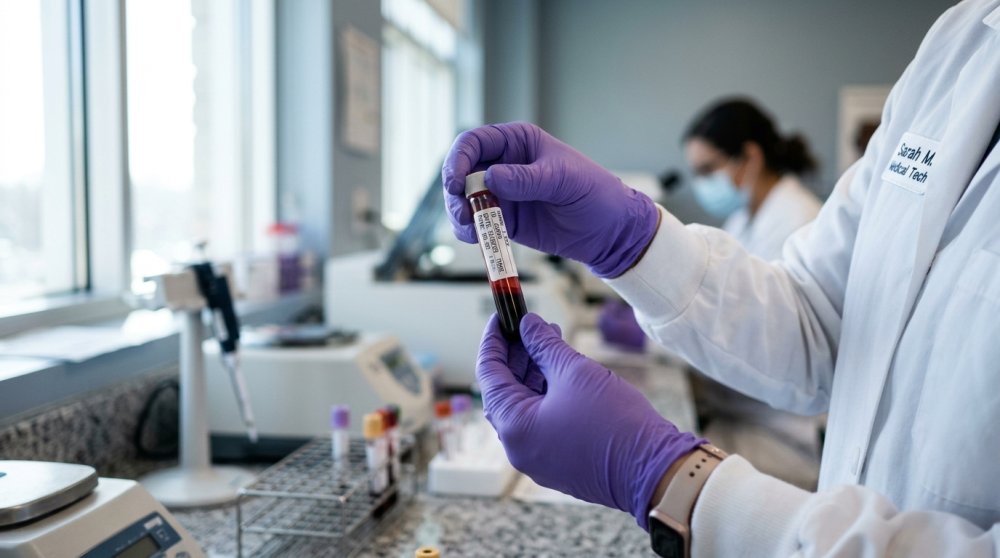
When doctors order a ferritin test, they’re looking for clues about your iron status. The test measures the amount of ferritin in your blood, which directly reflects your body’s iron reserves.
“Ferritin is one of the most useful markers we have for assessing iron stores,” explains Dr. Michael Auerbach, clinical professor of medicine at Georgetown University School of Medicine. “It helps us distinguish between different types of anemia and can alert us to iron overload conditions.”
Normal ferritin levels vary depending on your age and biological sex. For adult men, the typical range falls between 24 and 336 nanograms per milliliter (ng/mL).
Women generally have lower ferritin levels than men, with normal ranges between 11 and 307 ng/mL. This difference exists because women lose iron through menstruation during their reproductive years.
Children’s ferritin levels change as they grow. Newborns typically have higher levels that decrease during infancy and then gradually increase through adolescence until reaching adult ranges.
Low ferritin levels indicate your body’s iron stores are depleted. This condition, called iron deficiency, is the most common nutritional deficiency worldwide.
Symptoms of low ferritin include persistent fatigue, weakness, pale skin, shortness of breath, dizziness, and cold hands and feet. Many people also experience headaches, brittle nails, and unusual cravings for non-food items like ice or dirt—a condition called pica.
“Iron deficiency doesn’t happen overnight,” notes Dr. Auerbach. “Your body will draw on its iron stores for months before you develop anemia. That’s why catching low ferritin early is so important.”
Several factors can lead to low ferritin. Inadequate dietary iron intake is common, especially among vegetarians and vegans who don’t consume iron-rich meat products.
Heavy menstrual periods cause significant iron loss in many women. Pregnancy and breastfeeding increase iron demands substantially. Gastrointestinal conditions like celiac disease, Crohn’s disease, or gastric bypass surgery can interfere with iron absorption.
Internal bleeding from ulcers, polyps, or cancers can slowly drain iron stores without obvious symptoms. Frequent blood donation or certain medications can also contribute to iron depletion.
High ferritin levels can be just as concerning as low ones, though they’re less common. Elevated ferritin may indicate iron overload, but it also rises in response to inflammation, infection, liver disease, and certain cancers.
Hemochromatosis, a genetic condition causing excessive iron absorption, leads to dangerously high ferritin levels. Without treatment, excess iron deposits in organs like the liver, heart, and pancreas, causing serious damage.
Other causes of elevated ferritin include chronic inflammatory conditions such as rheumatoid arthritis, certain cancers, hyperthyroidism, and alcohol-related liver disease. Obesity and metabolic syndrome are also associated with higher ferritin levels.
“High ferritin is tricky because it doesn’t always mean too much iron,” explains Dr. Auerbach. “We often need additional tests to determine whether the elevation is from iron overload or another condition causing inflammation.”
If your ferritin is low, treatment focuses on replenishing iron stores. Your doctor may recommend iron supplements, typically taken on an empty stomach with vitamin C to enhance absorption.
Dietary changes can help boost iron levels. Red meat, poultry, and fish provide heme iron, which your body absorbs more easily than the non-heme iron found in plant foods like beans, lentils, and fortified cereals.
Pairing plant-based iron sources with vitamin C-rich foods like citrus fruits, tomatoes, or bell peppers improves absorption. Avoid consuming calcium-rich foods or coffee and tea with iron-rich meals, as these can interfere with absorption.
For severe deficiency or poor absorption, intravenous iron therapy delivers iron directly into your bloodstream, bypassing the digestive system entirely. This option works faster than oral supplements and avoids gastrointestinal side effects.
Managing high ferritin depends on the underlying cause. For hereditary hemochromatosis, therapeutic phlebotomy—essentially controlled blood removal—reduces iron levels effectively.
If inflammation or another medical condition is causing elevated ferritin, treating the underlying condition typically brings ferritin levels down. Your doctor may also recommend avoiding iron supplements and limiting iron-rich foods.
Regular monitoring through follow-up blood tests ensures your ferritin levels are responding to treatment. Most people with low ferritin see improvement within three to six months of starting iron supplementation, though complete restoration of iron stores may take longer.
Maintaining healthy ferritin levels supports your overall wellbeing. If you’re experiencing unexplained fatigue, weakness, or other concerning symptoms, talk with your healthcare provider about whether a ferritin test might be appropriate.
Remember that ferritin is just one piece of the puzzle. Your doctor will consider your complete blood count, iron panel, and clinical symptoms when making diagnostic and treatment decisions.
Taking charge of your iron status through proper nutrition, appropriate supplementation when needed, and regular medical monitoring can help you maintain the energy and vitality that come with balanced iron stores.
