Movement
The Hidden Muscle Group Behind Your Hip Pain

Health Points
- Hip flexor pain often stems from overuse, muscle strain, or prolonged sitting habits
- Simple at-home stretches and strengthening exercises can relieve most hip flexor discomfort
- Persistent pain lasting more than two weeks warrants professional medical evaluation
Many Americans over 40 experience a nagging ache in the front of the hip that worsens when climbing stairs or getting up from a chair. This discomfort often traces back to a network of muscles called the hip flexors—muscles you may never have heard of until they start causing problems.
The hip flexors connect your lower back and pelvis to your thigh bone, allowing you to lift your knee toward your chest and bend at the waist. These muscles work constantly during everyday activities, from walking to standing up from a seated position.
Physical therapists report that hip flexor pain has become increasingly common as more Americans spend their workdays seated at desks. Dr. Sarah Mitchell, a sports medicine physician at University Medical Center, explains the connection: “When you sit for extended periods, your hip flexors remain in a shortened position for hours. Over time, this can lead to tightness, weakness, and eventually pain.”
Several factors contribute to hip flexor discomfort. Overuse during physical activity ranks as the most common cause, particularly among weekend warriors who exercise intensely without proper warm-up or preparation. Sudden movements, like sprinting or kicking, can strain these muscles.
Age-related changes also play a role. After 40, muscles naturally lose some flexibility and strength if not actively maintained. This makes older adults more susceptible to strains and injuries during routine activities.
Athletes and active individuals face additional risk. Runners, cyclists, and dancers frequently develop hip flexor pain due to repetitive movements that stress these muscles. Poor posture and muscle imbalances from favoring one side of the body can compound the problem.
Treatment typically begins at home with conservative measures. Rest allows strained muscles to heal, though complete immobilization isn’t necessary or recommended. Light movement helps maintain flexibility and promotes blood flow to the injured area.
Ice application during the first 48 hours after injury helps reduce inflammation and pain. Apply ice for 15-20 minutes several times daily, using a cloth barrier between the ice pack and skin.
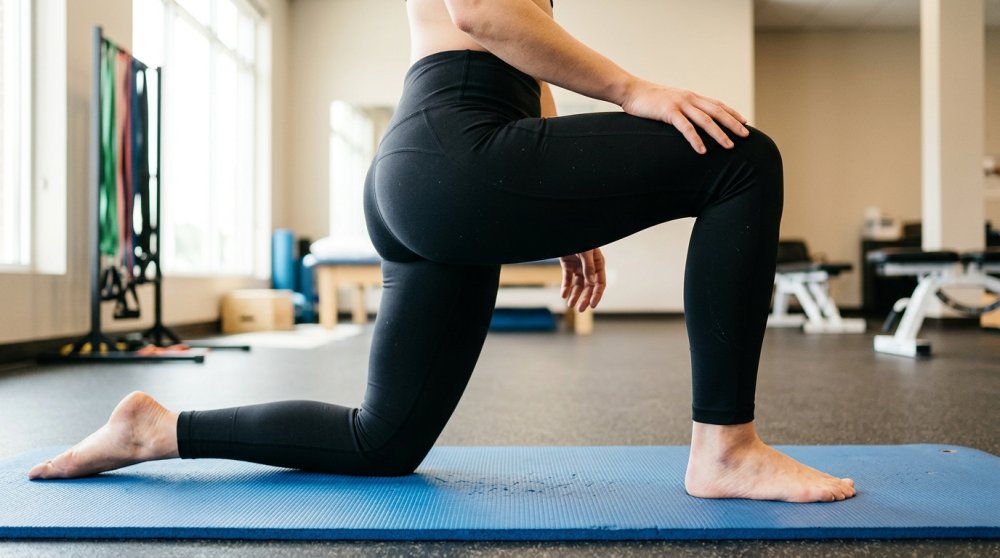
Gentle stretching exercises provide significant relief for many people. The kneeling hip flexor stretch offers particular benefit: kneel on one knee with the other foot flat on the floor in front, then gently push your hips forward until you feel a stretch in the front of the hip on the kneeling side. Hold for 30 seconds and repeat several times daily.
Physical therapist James Rodriguez emphasizes the importance of strengthening alongside stretching. “Flexibility alone won’t solve the problem. You need to build strength in the hip flexors and surrounding muscles to prevent future injury.”
Simple exercises like standing leg raises and bridges strengthen the hip region without special equipment. Consistency matters more than intensity—daily gentle exercise yields better results than occasional intense sessions.
Over-the-counter anti-inflammatory medications can help manage pain and swelling, though they should be used as directed and not relied upon as the sole treatment approach. These medications work best when combined with rest, ice, and therapeutic exercises.
Most hip flexor strains improve within two to three weeks with proper self-care. However, certain symptoms warrant medical attention. Severe pain that prevents weight-bearing, visible swelling or bruising, or pain that persists beyond two weeks despite home treatment should prompt a doctor’s visit.
A healthcare provider can rule out more serious conditions like hip joint problems, labral tears, or stress fractures that may mimic hip flexor pain. They may also recommend physical therapy for stubborn cases.
Prevention strategies help protect against future hip flexor problems. Regular stretching maintains muscle flexibility, particularly important for those who sit for long periods. Taking brief standing or walking breaks every hour during desk work prevents prolonged muscle shortening.
Proper warm-up before exercise prepares the hip flexors for activity. Five to ten minutes of light cardio followed by dynamic stretching significantly reduces injury risk. Gradually increasing exercise intensity rather than jumping into strenuous activity also protects these vulnerable muscles.
Maintaining good posture throughout the day reduces unnecessary strain on the hip flexors. When sitting, keep your feet flat on the floor with knees at hip level. Avoid slouching or leaning forward, which places additional stress on the hip region.
For Americans over 40, understanding hip flexor health represents an important aspect of maintaining mobility and independence. These often-overlooked muscles deserve attention and care through regular stretching, strengthening, and mindful movement patterns.
With appropriate treatment and prevention strategies, most people can overcome hip flexor pain and return to their normal activities without long-term consequences. The key lies in addressing problems early and maintaining consistent healthy habits that support these essential muscles.
