Health
When Doctors Say It’s Time to Start Insulin Therapy

Health Points
- Insulin therapy typically begins when blood sugar consistently exceeds 180-200 mg/dL or A1C levels reach 9% or higher
- The decision to start insulin depends on multiple factors including diabetes type, individual health conditions, and response to other medications
- Starting insulin early can help prevent serious complications like heart disease, kidney damage, and nerve problems
For millions of Americans living with diabetes, the question of when to start insulin therapy can feel overwhelming. Understanding the specific blood sugar thresholds and health factors that guide this decision can help patients feel more prepared and in control of their diabetes management.
Medical experts generally consider insulin therapy when fasting blood sugar levels consistently measure above 180-200 mg/dL, or when hemoglobin A1C levels—which reflect average blood sugar over three months—reach 9% or higher. However, these numbers tell only part of the story.
The timing of insulin therapy depends heavily on the type of diabetes a person has. Individuals with Type 1 diabetes require insulin from the moment of diagnosis because their bodies no longer produce this essential hormone. For those with Type 2 diabetes, the timeline varies considerably based on how well their bodies respond to lifestyle changes and oral medications.
Endocrinologists emphasize that starting insulin isn’t a sign of failure but rather a proactive step toward better health. Many patients initially manage Type 2 diabetes through diet, exercise, and oral medications, but the progressive nature of the condition means insulin may eventually become necessary to maintain healthy blood sugar levels.
Beyond the numbers on a glucose meter, doctors consider several important factors when recommending insulin. These include the presence of diabetes-related complications, other health conditions, pregnancy, and how well current treatments are working. Some patients may need insulin temporarily during periods of illness or stress, while others require it as a permanent part of their treatment plan.
The decision also takes into account symptoms that suggest dangerously high blood sugar levels. Excessive thirst, frequent urination, unexplained weight loss, blurred vision, and persistent fatigue all signal that current diabetes management may not be adequate. When these symptoms appear alongside elevated blood sugar readings, insulin therapy often becomes the recommended next step.
Modern insulin therapy offers more flexibility and convenience than ever before. Options range from multiple daily injections to insulin pumps that deliver precise doses throughout the day. Many newer insulin formulations work faster or last longer, making it easier to match insulin delivery to individual lifestyle patterns and eating schedules.
Healthcare providers stress the importance of regular blood sugar monitoring and open communication about treatment concerns. Some patients worry about weight gain, low blood sugar episodes, or the inconvenience of injections. Addressing these concerns early helps doctors tailor insulin regimens that fit comfortably into daily routines while effectively managing blood sugar levels.
Starting insulin therapy at the right time can significantly reduce the risk of serious diabetes complications. Well-controlled blood sugar protects the heart, kidneys, eyes, and nervous system from damage that accumulates when glucose levels remain elevated over time. Research consistently shows that patients who begin insulin when recommended experience better long-term health outcomes.
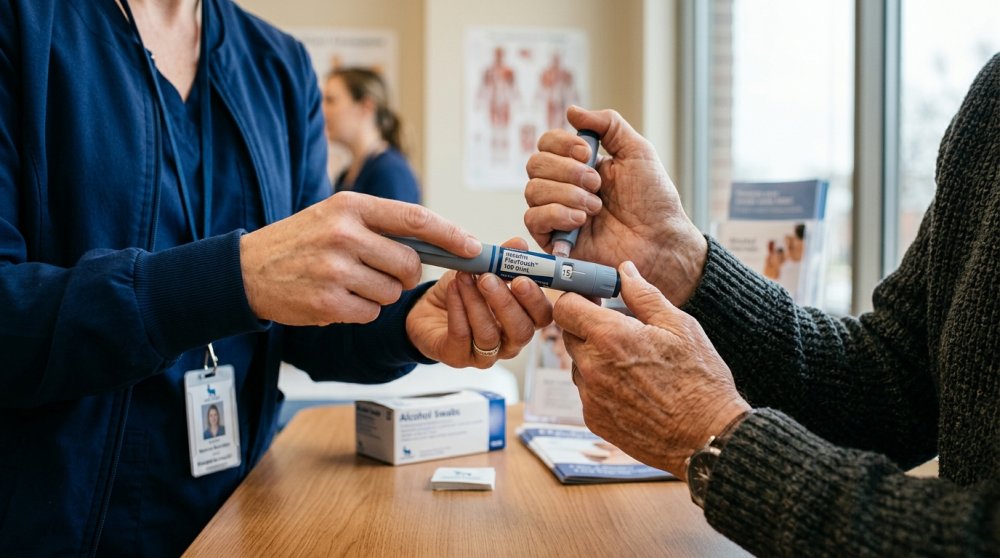
For those approaching the possibility of insulin therapy, education and support make all the difference. Diabetes educators can teach proper injection techniques, explain how to adjust doses based on meals and activity, and help troubleshoot common challenges. Many patients find that their initial anxiety about starting insulin diminishes quickly once they experience the improved energy and well-being that comes with better blood sugar control.
The key message from diabetes specialists remains clear: insulin therapy represents an effective tool for managing diabetes, not a last resort. When blood sugar levels consistently exceed healthy ranges despite other treatments, starting insulin helps protect long-term health and quality of life. Working closely with healthcare providers ensures that the transition to insulin happens at the optimal time with the right support system in place.
