Health
The Five Warts Doctors See Most Often—and What Finally Gets Rid of Them

Health Points
- Warts are benign skin growths caused by the human papillomavirus (HPV), with five common types appearing on different body areas
- Most warts resolve without treatment within two years, but dermatologists recommend intervention for painful, spreading, or cosmetically concerning growths
- Treatment options range from over-the-counter salicylic acid to professional procedures like cryotherapy, with success rates varying by wart type and location
Warts are among the most common reasons adults visit dermatologists, yet many people don’t realize these stubborn skin growths come in distinctly different forms—each requiring its own approach to treatment.
These benign bumps result from infection with the human papillomavirus, which enters the body through tiny breaks in the skin. While warts aren’t dangerous, they can be uncomfortable, embarrassing, and remarkably persistent.
Understanding which type you’re dealing with is the first step toward effective treatment. Here’s what dermatologists want you to know about the five most common varieties and the remedies that actually work.
Common Warts: The Classic Culprit
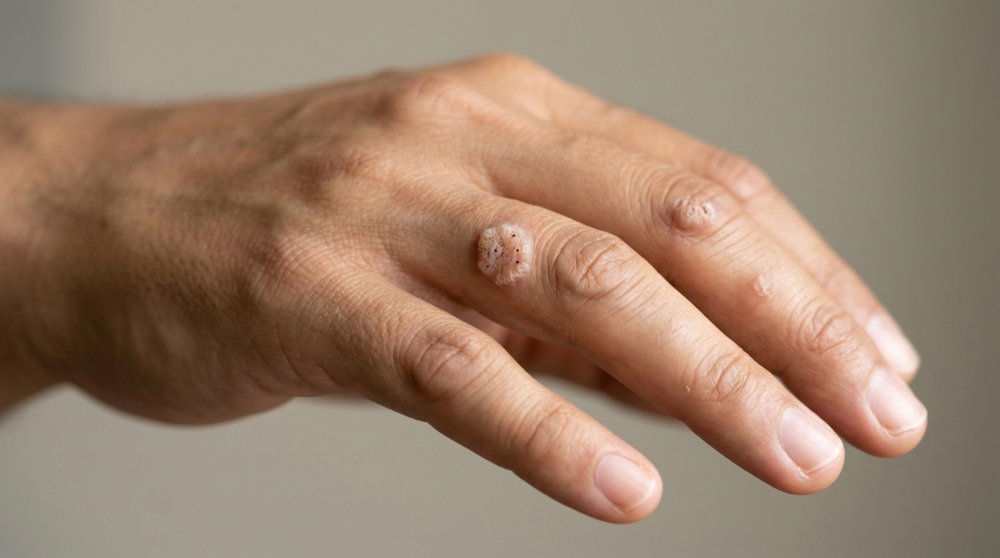
Common warts, medically known as verruca vulgaris, are exactly what their name suggests—the most frequently occurring type. These rough, raised bumps typically appear on the hands, fingers, and around the nails, though they can develop anywhere on the body.
They feel firm to the touch and often have a cauliflower-like surface. Small black dots—actually tiny blood vessels—may be visible within the wart.
For common warts, dermatologists often recommend starting with over-the-counter salicylic acid treatments. These products work by gradually dissolving the layers of the wart over several weeks. Consistent daily application is essential for success.
When home treatments fail, doctors may turn to cryotherapy—freezing the wart with liquid nitrogen. This procedure causes a blister to form under the wart, eventually lifting it away from healthy skin.
Plantar Warts: The Painful Foot Problem
Plantar warts grow on the soles of the feet, where constant pressure from walking forces them to grow inward rather than outward. This creates a hardened, sometimes painful bump that feels like you’re stepping on a pebble.
These warts are notoriously stubborn because of their location. The thick skin on the bottom of the feet makes topical treatments less effective, and the constant pressure can make them particularly uncomfortable.
Professional treatment often yields better results for plantar warts. Dermatologists may use stronger prescription-strength salicylic acid, cryotherapy, or even laser therapy for resistant cases.
Some physicians recommend a combination approach: applying salicylic acid at home between professional freezing sessions. Patience is crucial—plantar warts can take months to resolve even with aggressive treatment.
Flat Warts: The Subtle Spreader
Flat warts, or verruca plana, are smaller and smoother than their common counterparts. They typically appear in clusters on the face, neck, hands, wrists, or knees—areas prone to minor cuts from shaving.
These warts are only slightly raised and can be pink, brown, or yellowish in color. Because they’re subtle, people often don’t realize they have warts at all.
Flat warts present a unique treatment challenge. They often appear in cosmetically sensitive areas where aggressive treatments might cause scarring. Dermatologists typically recommend gentler approaches for facial flat warts.
Topical retinoids, which are vitamin A derivatives, work well for flat warts by promoting cell turnover and preventing new warts from forming. These medications require a prescription and consistent use over several months.
Filiform Warts: The Facial Finger-Like Growths
Filiform warts are distinctive finger-like or thread-like projections that grow quickly on the face—particularly around the mouth, nose, and eyes. They’re the same color as your skin but have an unmistakable elongated appearance.
These warts can be especially bothersome because of their prominent location and rapid growth. They may also cause irritation during shaving or makeup application.
Because of their location on the face, filiform warts usually require professional removal. Dermatologists often use surgical excision, electrosurgery, or cryotherapy to remove them with minimal scarring.
The good news is that filiform warts typically respond well to treatment and rarely recur once properly removed. Most patients see complete resolution after just one or two office visits.
Periungual Warts: The Nail-Bed Nuisance
Periungual warts grow under and around the fingernails and toenails. They can be particularly troublesome because they may affect nail growth and cause pain, especially if they lift the nail from the nail bed.
These warts often result from nail biting or picking at hangnails—habits that create entry points for the virus. They’re common among children and adults who work with their hands.
Treatment for periungual warts requires extra care to avoid damaging the nail matrix, which could lead to permanent nail deformity. Dermatologists often use careful cryotherapy or prescription topical treatments.
In severe cases where the wart has significantly affected the nail, a referral to a hand specialist may be necessary. These cases may require more extensive surgical removal.
When to Seek Professional Help
While many warts resolve on their own within two years, certain situations warrant a visit to the dermatologist. Painful warts, those that bleed or show signs of infection, and warts that multiply rapidly all deserve professional evaluation.
Anyone with diabetes or a weakened immune system should never attempt self-treatment. These individuals face higher risks of complications and should always consult a healthcare provider for wart management.
It’s also important to confirm that a suspicious growth is actually a wart. Skin cancers can sometimes mimic warts, particularly in older adults. Any growth that doesn’t respond to typical wart treatments should be biopsied to rule out more serious conditions.
Prevention Strategies That Work
Preventing warts starts with avoiding direct contact with warts on others and not sharing personal items like towels or razors. The virus spreads easily in warm, moist environments like locker rooms and public showers.
Wearing flip-flops or shower shoes in communal bathing areas significantly reduces the risk of picking up plantar warts. Keeping skin healthy and moisturized helps maintain the skin’s natural barrier against viral invasion.
For those prone to warts, avoiding nail biting and resisting the urge to pick at existing warts prevents spreading the virus to new areas. Warts can spread to other parts of your own body through touch or contact with items you’ve used.
Maintaining a strong immune system through adequate sleep, good nutrition, and stress management also helps the body fight off HPV more effectively. While no prevention method is foolproof, these strategies substantially reduce your risk.
The Bottom Line on Wart Treatment
Warts may be common, but they’re not something you have to live with indefinitely. Modern dermatology offers multiple effective treatment options for each type of wart.
Success often requires patience and persistence—few warts disappear after a single treatment. Working with a dermatologist ensures you receive the most appropriate treatment for your specific wart type and location.
Remember that while warts are contagious, they’re not a sign of poor hygiene or a serious health problem. They’re simply a common viral infection that affects people of all ages. With proper treatment and prevention strategies, you can minimize their impact on your daily life.
