Health
The Simple Skin Test That Reveals What You Really Have

Health Points
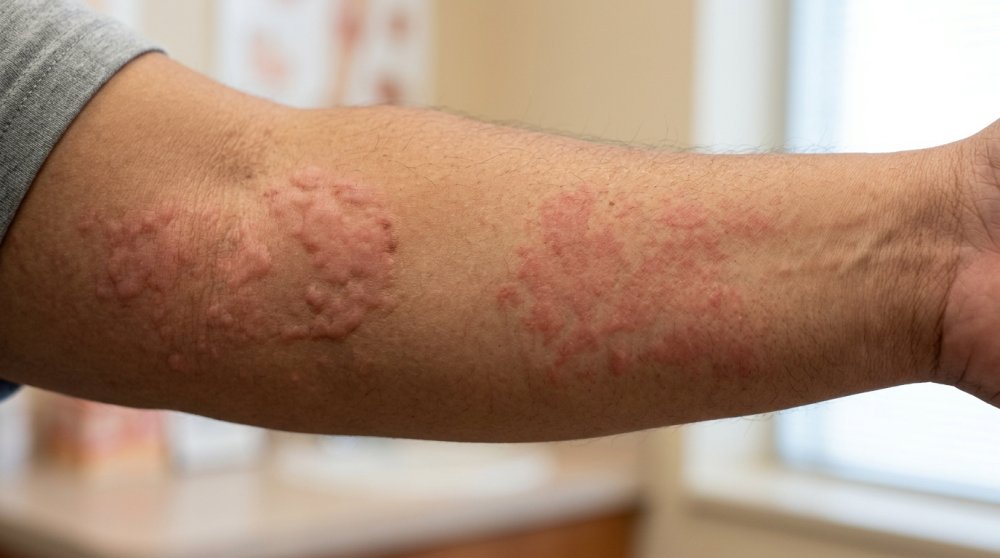
- Hives create raised, itchy welts that blanch white when pressed, while rashes typically remain flat or slightly elevated with consistent coloring
- Hives appear suddenly and move around the body, usually resolving within 24 hours, whereas rashes develop gradually and stay in one location
- Chronic hives lasting more than six weeks often have no identifiable trigger and may require specialized medical evaluation
That mysterious red patch on your skin can leave you wondering whether you’re dealing with common irritation or something more serious. Understanding the difference between hives and rashes becomes especially important as we age, when skin conditions become more frequent and our immune systems change.
The distinction matters because treatment approaches differ significantly. While a rash might respond to simple moisturizers or topical creams, hives often require antihistamines and identification of underlying triggers.
The Blanching Test Makes All the Difference
Dermatologists rely on one simple technique to distinguish between these conditions: the blanching test. Press your finger firmly against the affected area for a few seconds, then release.
Hives will turn white under pressure, then quickly return to their reddish appearance. Rashes maintain their color throughout this test, providing a clear diagnostic clue you can perform at home.
The raised, welted appearance of hives sets them apart from the typically flat or slightly bumpy texture of most rashes. Hives create distinct borders and often appear as if something is pushing up from beneath the skin.
Movement Patterns Tell Their Own Story
Hives behave like restless travelers, appearing in one location and disappearing within hours, only to emerge somewhere else on your body. Individual hives rarely last more than 24 hours in the same spot, though new ones may continue forming.
Rashes settle into one area and stay put. They develop gradually over days and remain in the same location throughout their course, making them more predictable than their wandering counterparts.
This mobility pattern helps explain why hives can feel so frustrating—just when you think they’ve cleared from your arms, they might appear on your torso or legs.
What Triggers Each Condition
Hives represent your immune system’s response to perceived threats. Common triggers include certain foods (shellfish, nuts, eggs), medications (especially antibiotics and pain relievers), insect stings, and even stress or temperature changes.
For adults over 40, new medication sensitivities become increasingly common as our bodies metabolize drugs differently. That prescription you’ve taken for years might suddenly trigger hives without warning.
Rashes develop from direct contact with irritants, infections, or inflammatory skin conditions. Poison ivy, eczema flare-ups, fungal infections, and reactions to new laundry detergents all produce rashes rather than hives.
When Hives Become Chronic
Most hives disappear within six weeks, but chronic cases persist beyond this timeframe. Surprisingly, chronic hives often have no identifiable cause, a condition called chronic idiopathic urticaria.
This condition affects roughly 1% of the population and can significantly impact quality of life. The unpredictable nature of breakouts creates anxiety and disrupts daily activities.
Physical urticaria represents another challenging variant where pressure, vibration, cold, heat, or even sunlight triggers hives. These cases require careful evaluation by allergists or dermatologists who specialize in chronic skin conditions.
Treatment Approaches That Work
Antihistamines form the foundation of hives treatment. Over-the-counter options like cetirizine or lozenges provide relief for most acute cases.
Second-generation antihistamines cause less drowsiness than older formulations—an important consideration for maintaining daily function. Taking them preventively, before hives appear, often works better than waiting for symptoms.
Rash treatment depends entirely on the underlying cause. Hydrocortisone creams address inflammatory rashes, antifungal medications treat yeast or fungal infections, and simple moisturizers help with dry, irritated skin.
Red Flags Requiring Immediate Attention
Some situations demand immediate medical evaluation rather than home treatment. Difficulty breathing, swelling of the tongue or throat, or dizziness accompanying hives signals anaphylaxis—a life-threatening emergency requiring immediate care.
Call 911 if these symptoms develop. Anaphylaxis progresses rapidly and requires epinephrine administration within minutes.
Rashes accompanied by fever, severe pain, rapid spreading, or that appear following new medications also warrant prompt medical evaluation. These combinations can indicate serious infections or drug reactions requiring professional treatment.
Prevention Strategies That Make Sense
Keeping a symptom diary helps identify hives triggers. Record what you ate, medications taken, activities, and stress levels for several days before each outbreak.
Patterns often emerge after 2-3 weeks of careful tracking. That occasional glass of wine or specific brand of personal care product might reveal itself as the culprit.
For rashes, prevention focuses on avoiding known irritants and maintaining healthy skin barriers. Fragrance-free products, gentle cleansers, and regular moisturizing protect aging skin from unnecessary irritation.
Switch to hypoallergenic laundry detergents and avoid fabric softeners, which coat clothing fibers with potential irritants. These simple changes eliminate common rash triggers.
When To See A Specialist
Persistent hives lasting beyond six weeks deserve specialized evaluation. Allergists can perform comprehensive testing to identify triggers and develop targeted treatment plans.
Autoimmune conditions sometimes manifest through chronic hives, making thorough evaluation important for overall health. Blood tests can reveal underlying thyroid problems or other systemic issues contributing to skin symptoms.
Dermatologists bring expertise in distinguishing between dozens of rash types that appear similar to untrained eyes. Professional evaluation saves time, money, and discomfort compared to trying multiple ineffective treatments.
Aging skin requires gentler care and sometimes professional guidance to maintain health and comfort. Don’t hesitate to seek expert opinion when home remedies fail to provide relief within a reasonable timeframe.
