Nutrition
The Surprising Cooking Method That Makes Chicken Healthier

Health Points
- Grilling, baking, and air frying chicken preserves nutrients while minimizing added fats compared to deep frying
- Removing chicken skin before cooking can reduce saturated fat by up to 50 percent
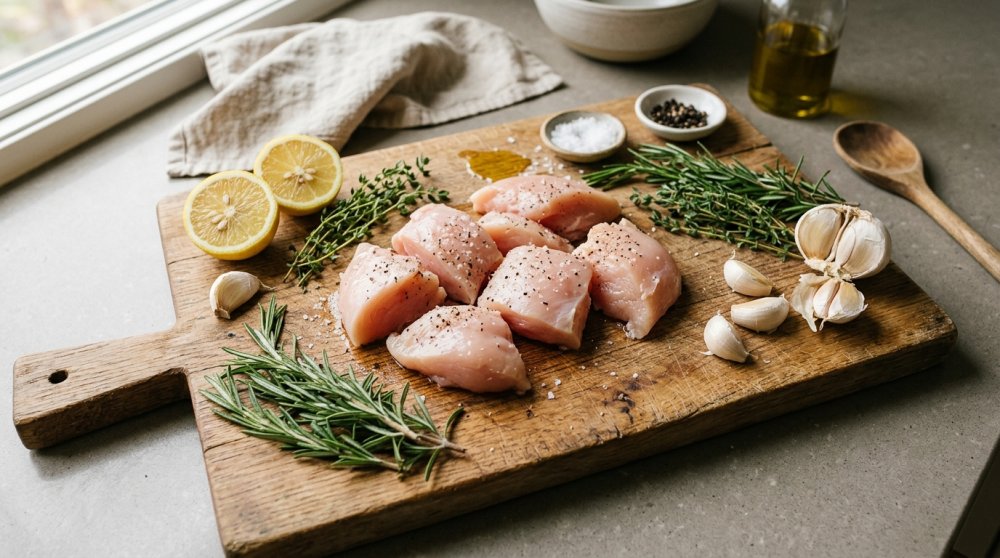
- Marinating chicken in herbs and citrus enhances flavor without excess sodium or unhealthy additives
For health-conscious home cooks over 40, the way you prepare chicken can make as much difference as the quality of the bird itself. While chicken remains a lean protein staple in many American kitchens, not all cooking methods deliver equal nutritional benefits.
Registered dietitian Sarah Miller explains the gold standard for preparing this versatile protein. “Grilling, baking, and air frying are your best options because they allow fat to drip away from the meat while preserving the protein content,” she notes.
“Deep frying adds unnecessary calories and oxidized fats that can contribute to inflammation.”
The skin-on versus skin-off debate has a clear winner from a health standpoint. Removing the skin before cooking can cut saturated fat content nearly in half, making it particularly beneficial for those monitoring cholesterol levels or managing heart health.
Temperature control matters more than many realize. Cooking chicken to an internal temperature of 165°F ensures food safety while preventing the formation of harmful compounds that can develop when meat is charred at excessively high heat.
Seasoning strategies play an equally important role in healthy chicken preparation. Rather than relying on salt-heavy rubs or sugar-laden sauces, Miller recommends herb-based marinades with garlic, rosemary, thyme, and citrus.
“These add robust flavor while providing antioxidants and anti-inflammatory compounds,” she adds.
For those who enjoy the convenience of rotisserie chicken, the news is encouraging. Store-bought rotisserie birds can be a healthy option when you remove the skin and avoid varieties with excessive sodium in the seasoning blend.
The healthiest approach combines smart cooking techniques with quality ingredients. Choose organic or pasture-raised chicken when possible, opt for dry-heat cooking methods, season with herbs rather than heavy sauces, and always cook to proper temperature.
These simple adjustments transform an already nutritious protein into a meal that truly supports long-term wellness.
