Health
Three Ways This Mediterranean Citrus May Support Heart and Brain Health

Health Points
- Bergamot extract may help lower LDL cholesterol and triglycerides while raising HDL cholesterol
- Preliminary research suggests bergamot compounds could support cognitive function and reduce inflammation
- While promising, most studies have been small and more large-scale research is needed to confirm benefits
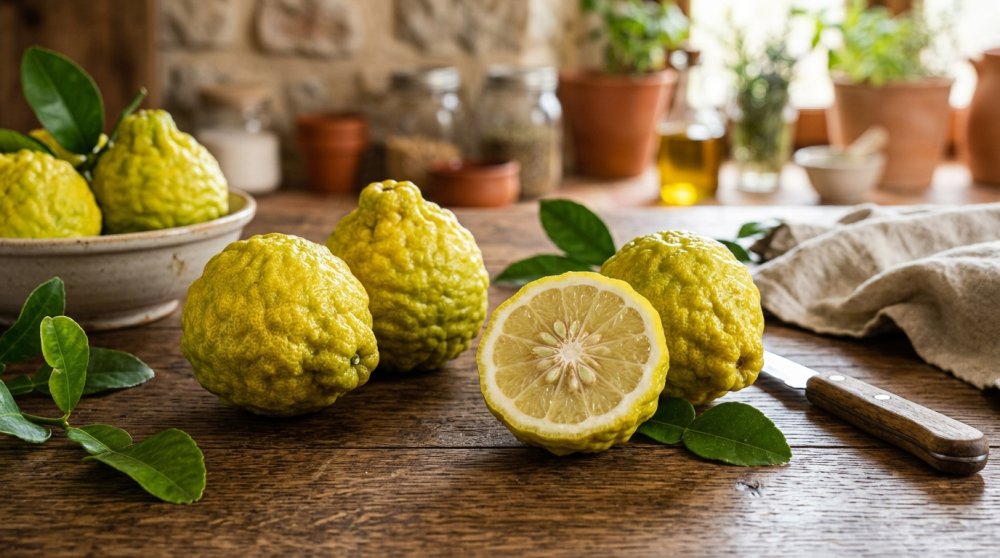
A citrus fruit grown primarily along Italy’s Calabrian coast, bergamot has captured attention from researchers studying natural approaches to cardiovascular and metabolic health. While best known for flavoring Earl Grey tea, this small yellow-green fruit contains unique plant compounds that may offer several health advantages.
The fruit’s potential stems from its high concentration of flavonoids—natural compounds that give many plants their color and offer protective benefits. Bergamot contains particularly high levels of specific flavonoids not commonly found in other citrus fruits.
The most extensively studied benefit involves cholesterol management. Multiple small clinical trials have found that bergamot extract may help lower LDL (“bad”) cholesterol and triglycerides while increasing HDL (“good”) cholesterol.
One study published in Frontiers in Pharmacology found that participants taking bergamot extract for 12 weeks experienced significant reductions in total cholesterol and LDL cholesterol compared to placebo. The flavonoids appear to work by inhibiting enzymes involved in cholesterol production, similar to statin medications but through a different mechanism.
Beyond cholesterol, research suggests bergamot may help regulate blood sugar levels. A study in the Journal of Functional Foods found that bergamot extract improved insulin sensitivity and reduced blood glucose levels in people with metabolic syndrome.
The fruit’s flavonoids may also support brain health. Preliminary animal studies indicate that bergamot compounds could protect brain cells from oxidative stress and inflammation, potentially reducing cognitive decline risk.
Research published in Nutrients examined bergamot’s neuroprotective properties, finding that its antioxidant compounds helped protect neural tissue and supported healthy brain function in laboratory models. While these early findings are encouraging, human studies are needed to confirm whether these benefits translate to actual cognitive improvements.
Bergamot’s anti-inflammatory properties represent another area of interest. Chronic inflammation contributes to numerous age-related conditions, from heart disease to arthritis.
Studies have shown that bergamot extract can reduce inflammatory markers in the blood. A clinical trial published in Phytotherapy Research found that participants taking bergamot supplements experienced decreased levels of C-reactive protein and other inflammation indicators.
Most research has focused on standardized bergamot extract supplements rather than the whole fruit or its essential oil. These extracts typically contain concentrated amounts of the beneficial flavonoids, particularly bergamot polyphenolic fraction (BPF).
Typical study doses have ranged from 500 to 1,000 milligrams of bergamot extract daily. Effects on cholesterol have generally been observed within 4 to 12 weeks of consistent supplementation.
While bergamot extract appears well-tolerated in most studies, it can interact with certain medications. Because it affects cholesterol metabolism similarly to statins, people taking cholesterol-lowering medications should consult their healthcare provider before adding bergamot supplements.
Bergamot can also interact with medications metabolized by the liver, potentially affecting their effectiveness. Anyone taking prescription medications should discuss bergamot supplementation with their doctor.
Most research to date has involved relatively small participant groups and short study durations. Larger, longer-term studies are needed to fully understand bergamot’s effectiveness and safety profile for different populations.
The quality of bergamot supplements can vary significantly. Look for products that specify the bergamot polyphenolic fraction content and are third-party tested for purity and potency.
While bergamot shows promise as a natural approach to supporting heart and metabolic health, it should complement rather than replace proven lifestyle measures. A diet rich in fruits, vegetables, whole grains, and healthy fats, combined with regular physical activity, remains the foundation of cardiovascular wellness.
For those interested in trying bergamot, starting with a consultation with a healthcare provider can help determine whether it’s appropriate given individual health status and current medications. As research continues, we may gain clearer insights into exactly who benefits most from this distinctive Mediterranean citrus.
