Health
Five Asthma Warning Signs That Could Signal Serious Trouble

Health Points
- Asthma symptoms extend beyond wheezing to include persistent coughing, chest tightness, and breathing difficulties that warrant medical attention
- Nighttime breathing problems and reduced exercise tolerance serve as critical early warning signs requiring professional evaluation
- Recognizing subtle symptoms early allows for better disease management and prevents potentially dangerous complications
Asthma affects millions of Americans, yet many people miss the warning signs that could prevent serious health complications. Understanding what to watch for can make the difference between effective management and emergency situations.
The respiratory condition manifests in ways that often surprise patients. While wheezing remains the most recognized symptom, several other indicators deserve equal attention from anyone concerned about their lung health.
Persistent Coughing Demands Attention
A chronic cough, particularly one that worsens at night or after physical activity, frequently signals uncontrolled asthma. Many people dismiss this symptom as seasonal allergies or a lingering cold, missing an opportunity for early intervention.
The cough associated with asthma typically produces little or no mucus. It often intensifies when exposed to cold air, exercise, or common allergens like pollen and pet dander.
Breathing Difficulties Beyond Exercise
Shortness of breath that occurs during routine activities raises red flags. If climbing a single flight of stairs or walking to the mailbox leaves you gasping, your airways may be constricted.
This symptom becomes particularly concerning when it disrupts sleep or occurs without obvious triggers. Normal breathing should feel effortless during everyday tasks.
Chest Tightness Signals Airway Restriction
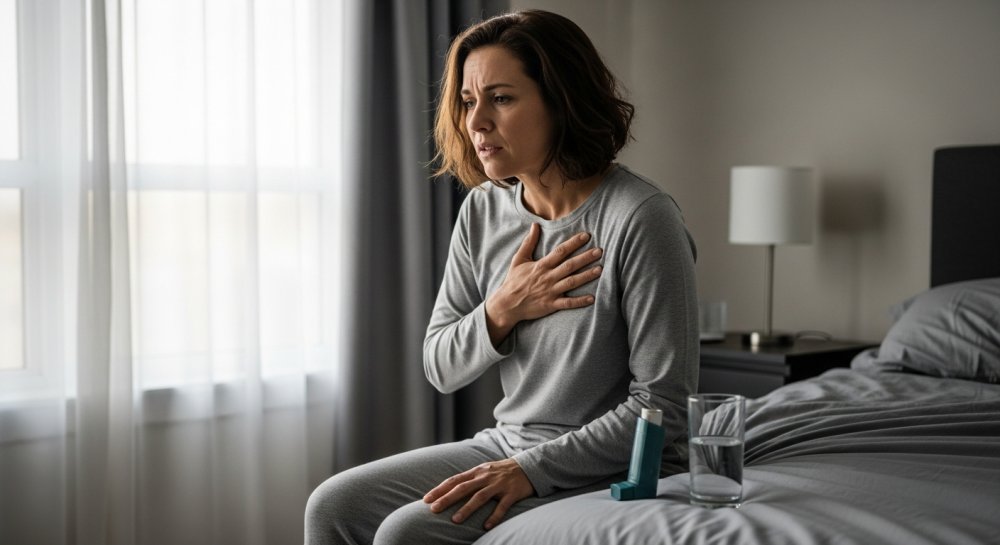
That feeling of pressure or constriction across the chest often accompanies asthma episodes. Some describe it as having a band tightened around their ribcage, making deep breathing difficult.
This discomfort may come and go throughout the day. It frequently intensifies in the early morning hours or when exposed to environmental triggers.
Nighttime Breathing Problems
Waking up coughing or feeling unable to catch your breath represents a significant asthma indicator. These nocturnal symptoms suggest inflammation and airway narrowing that requires medical management.
Many patients report their worst symptoms occur between midnight and early morning. This pattern reflects natural variations in hormone levels and lung function throughout the day.
Reduced Exercise Tolerance
A sudden decrease in physical performance often indicates worsening asthma control. Activities that once felt manageable may trigger coughing, wheezing, or breathlessness.
Exercise-induced symptoms don’t mean abandoning physical activity. Proper treatment allows most asthma patients to maintain active lifestyles safely.
When to Seek Medical Help
Any combination of these symptoms warrants consultation with a healthcare provider. Early diagnosis and treatment prevent the condition from progressing and reduce the risk of severe asthma attacks.
Delaying care can lead to permanent airway changes and decreased lung function over time. Modern treatments effectively control symptoms for the vast majority of patients when started promptly.
Emergency medical attention becomes necessary when breathing difficulty is severe, lips or fingernails turn blue, or symptoms don’t respond to prescribed rescue medication. These situations require immediate intervention to prevent life-threatening complications.
Managing asthma successfully depends on recognizing symptoms early and working with medical professionals to develop an appropriate treatment plan. With proper care, most people with asthma lead full, active lives without significant limitations.
