Lifestyle
The Daily Habit That Could Save Your Pet’s Life

Health Points
- Routine preventive care can reduce emergency veterinary visits by identifying health issues before they become critical
- Regular wellness checks help catch early warning signs of serious conditions in pets
- Simple daily monitoring practices empower pet owners to protect their animals from life-threatening emergencies
Most pet owners never imagine rushing their beloved companion to an emergency veterinary clinic until crisis strikes without warning. A sudden collapse during an evening walk. A beloved cat seizing on the kitchen floor. A family dog choking on something it shouldn’t have swallowed.
These terrifying moments often share a common thread: they might have been prevented. Veterinary experts increasingly emphasize that the cornerstone of pet health isn’t reactive emergency care, but proactive daily wellness practices that catch problems before they escalate into life-threatening situations.
The approach mirrors the preventive care philosophy gaining traction in human medicine for adults over 40. Just as regular health screenings and lifestyle monitoring help people avoid heart attacks and strokes, consistent wellness routines for pets can dramatically reduce the likelihood of emergency interventions.
Veterinarians report that many emergency cases involve conditions that progressed silently for weeks or months. Early kidney disease in cats. Developing heart conditions in dogs. Dental infections that spread systemically. These issues rarely announce themselves with obvious symptoms until they’ve reached advanced stages.
Daily wellness monitoring doesn’t require medical expertise. Pet owners can watch for subtle changes in appetite, energy levels, bathroom habits, and behavior patterns. A dog that suddenly seems less interested in morning walks may be signaling joint pain or cardiac issues. A cat drinking noticeably more water could be showing early signs of diabetes or kidney dysfunction.
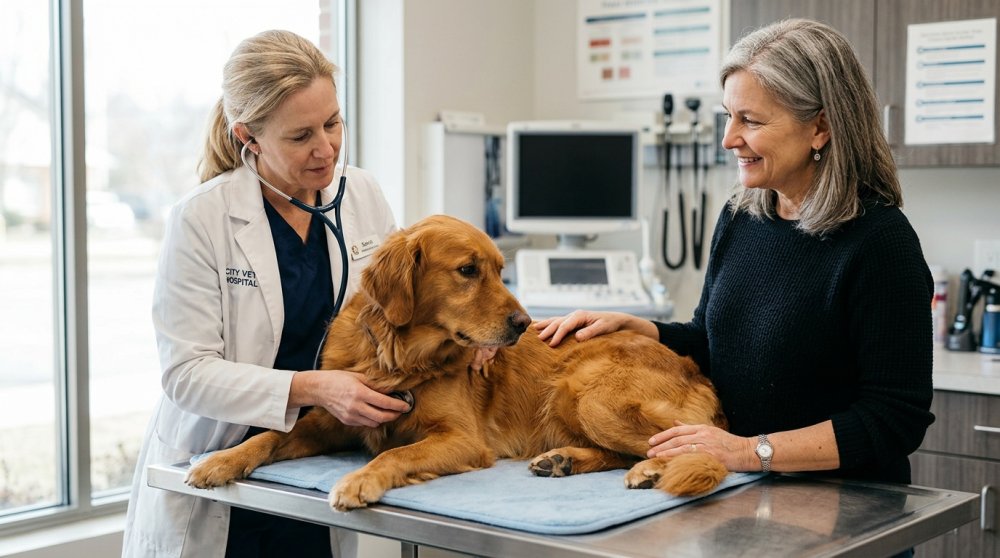
Regular veterinary wellness exams remain essential, typically recommended annually for younger pets and twice yearly for animals over seven years old. These visits allow professionals to detect problems invisible to owners, from heart murmurs to early tumor development, through physical examination and routine blood work.
Dental care represents another frequently overlooked preventive measure. Periodontal disease affects the majority of dogs and cats over three years old, and untreated dental infections can seed bacteria into the bloodstream, potentially damaging heart valves and other organs. Regular tooth brushing and professional cleanings prevent these cascading health consequences.
Weight management also plays a crucial preventive role. Obesity in pets increases risks for diabetes, joint disease, respiratory problems, and certain cancers. Maintaining a healthy weight through portion control and regular activity reduces strain on virtually every body system.
Parasite prevention extends beyond avoiding discomfort. Heartworm disease, transmitted by mosquitoes, can cause fatal heart and lung damage. Intestinal parasites can lead to severe anemia and malnutrition. Tick-borne illnesses trigger immune system dysfunction and organ failure. Monthly preventives eliminate these risks entirely.
The financial dimension of preventive care deserves consideration. Emergency veterinary visits typically cost hundreds to thousands of dollars, while routine wellness care and early intervention for minor issues remain comparatively affordable. Prevention represents both better medicine and better economics.
Pet owners who establish daily wellness routines report feeling more connected to their animals and more confident in their ability to provide quality care. The practice of checking over a pet each day, observing their condition and demeanor, creates a baseline of normal that makes deviations immediately apparent.
Simple daily habits make meaningful differences. Running hands over a pet’s body to feel for lumps or sensitive areas. Checking ears for redness or odor. Observing the quality and quantity of food and water intake. Noting energy levels and enthusiasm for normal activities.
These small investments of attention compound over time, creating a comprehensive picture of an animal’s health trajectory. When something changes, owners notice quickly and can seek veterinary guidance before minor concerns become major crises.
The ultimate goal of preventive pet wellness mirrors the broader shift toward proactive health management: keeping beloved companions healthy, comfortable, and thriving throughout their lives rather than simply responding to emergencies after the damage is done.
