Nutrition
The Surprising Foods That Help Manage Type 1 Diabetes

Health Points
- Type 1 diabetes requires careful meal planning with balanced carbohydrates, proteins, and fats to maintain stable blood sugar levels
- Fiber-rich whole grains, lean proteins, and non-starchy vegetables form the foundation of an effective diabetes management diet
- Working with healthcare providers to match insulin dosing with carbohydrate intake is essential for successful blood sugar control
For the millions of Americans living with Type 1 diabetes, every meal represents both a challenge and an opportunity. Unlike Type 2 diabetes, which can sometimes be managed through diet and lifestyle changes alone, Type 1 diabetes requires insulin therapy. But the right food choices can make managing this condition significantly easier.
Type 1 diabetes occurs when the pancreas produces little or no insulin, the hormone responsible for allowing glucose to enter cells for energy. Without proper management, blood sugar levels can become dangerously high or low. The key to successful management lies in understanding how different foods affect blood sugar and working closely with healthcare providers to balance insulin doses with carbohydrate intake.
Carbohydrate counting forms the cornerstone of meal planning for Type 1 diabetes. Every gram of carbohydrate affects blood sugar levels, making awareness crucial for maintaining stability throughout the day.
Registered dietitians recommend focusing on complex carbohydrates rather than simple sugars. Whole grain breads, brown rice, quinoa, and oatmeal provide sustained energy without causing dramatic blood sugar spikes. These fiber-rich options slow down glucose absorption, creating more predictable patterns that are easier to manage with insulin.
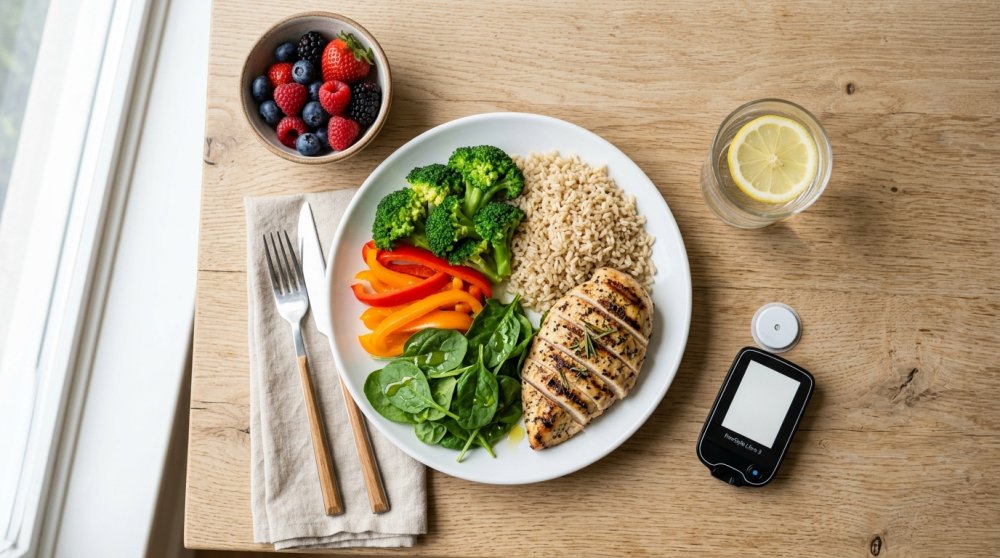
Non-starchy vegetables deserve a prominent place on every plate. Leafy greens, broccoli, cauliflower, peppers, and zucchini provide essential nutrients with minimal impact on blood sugar. These vegetables can be enjoyed liberally, adding volume and satisfaction to meals without requiring significant insulin adjustments.
Protein sources play a vital supporting role in diabetes management. Lean meats, fish, eggs, and plant-based proteins like beans and lentils help stabilize blood sugar levels when paired with carbohydrates. The protein slows digestion, preventing rapid glucose spikes and providing lasting satiety between meals.
Healthy fats from sources like avocados, nuts, seeds, and olive oil also contribute to blood sugar stability. These fats slow the absorption of carbohydrates and provide essential nutrients for overall health. However, portion control remains important, as fats are calorie-dense.
Timing matters as much as food selection. Eating meals and snacks at consistent times each day helps create predictable patterns, making it easier to match insulin doses appropriately. Skipping meals or eating irregularly can lead to dangerous blood sugar fluctuations.
Many people with Type 1 diabetes find success with the “plate method” for meal planning. This approach divides the plate into sections: half filled with non-starchy vegetables, one quarter with lean protein, and one quarter with whole grain carbohydrates. This visual guide ensures balanced nutrition while simplifying carbohydrate estimation.
Fruit can absolutely be part of a Type 1 diabetes diet, despite containing natural sugars. Berries, apples, and citrus fruits provide valuable vitamins, minerals, and fiber. The key lies in portion awareness and accounting for the carbohydrates when calculating insulin needs.
Dairy products offer calcium and protein, but they also contain carbohydrates in the form of lactose. Plain Greek yogurt, cottage cheese, and milk can fit into meal plans when their carbohydrate content is factored into insulin dosing.
Hydration deserves attention in any discussion of diabetes management. Water remains the best choice for staying hydrated without affecting blood sugar. Unsweetened tea and coffee work well too. Sugary beverages should be reserved for treating low blood sugar episodes rather than regular consumption.
Individual responses to foods vary considerably, making personal monitoring essential. What causes a blood sugar spike in one person might have a different effect in another. Keeping detailed records of meals, blood glucose readings, and insulin doses helps identify personal patterns and refine meal planning over time.
Working with a registered dietitian who specializes in diabetes provides personalized guidance tailored to individual needs, preferences, and lifestyle. These professionals help develop sustainable eating patterns that support both blood sugar management and overall wellbeing.
Technology has made diabetes management more precise than ever. Continuous glucose monitors provide real-time feedback on how different foods affect blood sugar levels, allowing for immediate adjustments and better understanding of individual responses.
Special occasions and dining out don’t have to derail diabetes management. With practice, people with Type 1 diabetes can learn to estimate carbohydrates in restaurant meals and adjust insulin accordingly. Planning ahead and making informed choices allows participation in normal social activities without compromising health.
The emotional aspects of managing Type 1 diabetes through diet deserve recognition. The constant vigilance required can feel overwhelming at times. Building a support network of healthcare providers, family members, and others living with Type 1 diabetes provides encouragement and practical assistance.
Recent research continues to refine understanding of optimal nutrition for Type 1 diabetes. While general principles remain consistent, ongoing studies explore questions about timing, macronutrient ratios, and individual variations in glucose response.
The goal extends beyond simply managing blood sugar numbers. A well-planned diet for Type 1 diabetes supports energy levels, maintains healthy weight, prevents complications, and enables people to live full, active lives. With education, support, and careful attention to nutrition, individuals with Type 1 diabetes can enjoy a varied, satisfying diet while maintaining excellent blood sugar control.
