Lifestyle
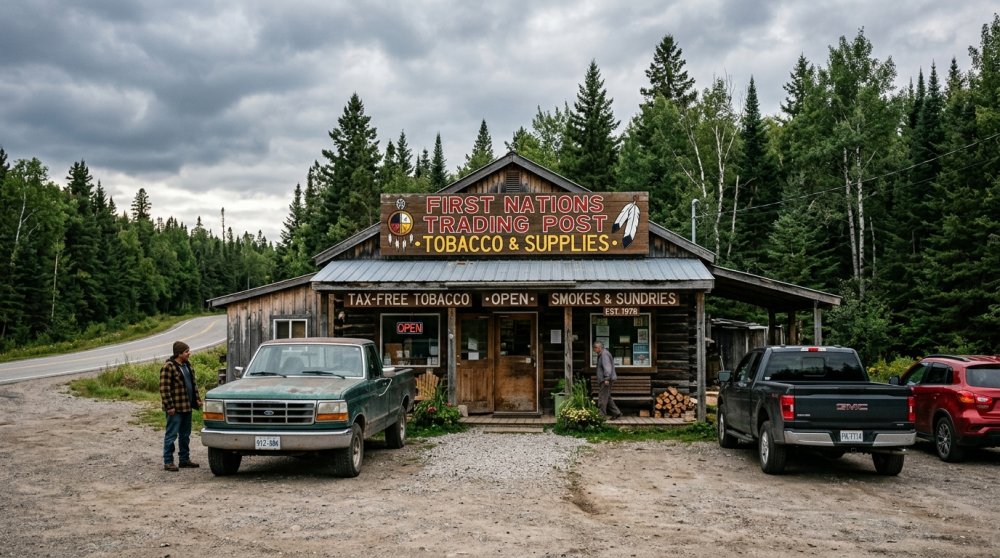
Indigenous tobacco sales in Canada raise questions about sovereignty and public health

Health Points
- Indigenous-owned tobacco retailers operate under unique legal frameworks tied to treaty rights and sovereignty
- Tax-exempt tobacco sales can reduce government health program funding while potentially increasing smoking rates
- Understanding the intersection of indigenous rights and public health requires balancing cultural respect with wellness concerns
A complex legal and cultural landscape surrounds tobacco retail on indigenous lands in Canada. The issue touches treaty rights, taxation policy, and community health in ways that often escape public understanding.
Indigenous retailers can sell tobacco products tax-free to status card holders under certain conditions. This exemption stems from treaty agreements and recognized sovereignty principles that predate modern Canadian tax law.
The economic impact extends beyond individual transactions. Some First Nations communities have built significant revenue streams through tobacco retail, creating jobs and funding community programs. Critics argue this comes at a cost to provincial health budgets, which lose tobacco tax revenue typically earmarked for smoking cessation and healthcare.
Public health advocates face a delicate balance. Smoking rates among indigenous populations remain higher than national averages, contributing to preventable disease. Yet addressing this disparity requires culturally sensitive approaches that respect sovereignty and historical context.
Traditional tobacco use in indigenous cultures differs markedly from commercial cigarette consumption. Sacred tobacco plays ceremonial roles in many First Nations traditions. This cultural distinction often gets lost in policy debates focused solely on retail economics.
Provincial governments have attempted various regulatory approaches. Some have negotiated agreements with First Nations leadership to share tax revenue or implement health warnings. Others have pursued enforcement actions that tribal councils view as infringing on treaty rights.
The retail landscape includes both licensed operations following provincial frameworks and unregulated sales that bypass health standards. This variation complicates efforts to ensure product safety while respecting indigenous jurisdiction.
Border communities see particular complexity when retail locations attract non-indigenous buyers seeking lower prices. This cross-border commerce raises questions about intended beneficiaries of tax exemptions and enforcement practicality.
Health outcomes remain the central concern for medical professionals. Reducing smoking-related illness requires partnerships with indigenous communities rather than top-down mandates that ignore cultural context and legal realities.
Moving forward, sustainable solutions will likely require government-to-government negotiations that honor treaty obligations while addressing legitimate public health goals. One-size-fits-all policies have historically failed to account for the unique legal status of First Nations.
For Canadians seeking to understand this issue, recognizing the interplay of sovereignty, economics, and health creates a more complete picture. Simple narratives that ignore historical treaties or dismiss health concerns both miss essential elements of a nuanced challenge.
