Health
Why Scratching Your Atopic Dermatitis Makes It Worse

Health Points
- The itch-scratch cycle causes additional skin damage and inflammation, making atopic dermatitis symptoms worse over time
- Immediate cooling techniques like cold compresses and moisturizer application can interrupt the urge to scratch within minutes
- Long-term itch management requires consistent skin barrier protection through twice-daily moisturizing and proper medication use
For the millions of adults living with atopic dermatitis, the overwhelming urge to scratch can feel impossible to resist. But dermatologists warn that giving in to that impulse creates a vicious cycle that damages skin and prolongs healing.
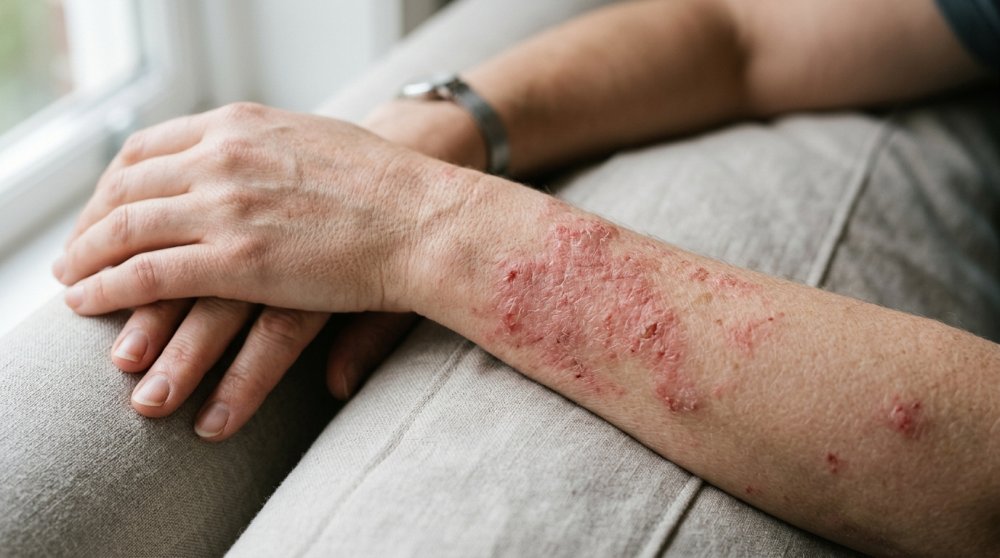
Atopic dermatitis, the most common form of eczema, affects approximately 16.5 million adults in the United States. The condition causes red, inflamed patches of skin that itch intensely, often disrupting sleep and daily activities.
The problem with scratching extends far beyond temporary relief. When you scratch inflamed skin, you create microscopic tears in the skin barrier, allowing irritants and bacteria to penetrate deeper. This triggers more inflammation, which causes more itching—a pattern dermatologists call the itch-scratch cycle.
“Scratching feels good in the moment, but it actually worsens the underlying inflammation and can lead to skin infections,” explains Dr. Emma Guttman-Yassky, professor of dermatology at Mount Sinai’s Icahn School of Medicine.
Breaking this cycle requires both immediate intervention when the itch strikes and long-term strategies to calm inflammation. Dermatologists recommend keeping skin cool, as heat amplifies itching sensations. Applying a cold compress or ice pack wrapped in a thin towel to affected areas can provide relief within minutes.
Moisturizing plays a crucial role in itch prevention. Keeping a thick, fragrance-free moisturizer in the refrigerator offers dual benefits—the cool temperature soothes skin while the emollient creates a protective barrier. Experts suggest applying moisturizer at least twice daily, particularly after bathing when skin is still slightly damp.
“Think of moisturizer as medication, not just a cosmetic product,” says Dr. Peter Lio, clinical assistant professor of dermatology at Northwestern University. “Consistent use is one of the most effective ways to reduce itch and prevent flares.”
When the urge to scratch becomes unbearable, distraction techniques can help redirect that impulse. Gently pressing or patting the itchy area provides sensory input without causing damage. Some patients find relief by applying firm pressure with their palm or tapping the skin with their fingertips.
Keeping nails trimmed short minimizes skin damage if scratching occurs unconsciously, especially during sleep. Some adults with atopic dermatitis wear soft cotton gloves at night to prevent scratching while they rest.
Identifying and avoiding triggers that worsen itching helps reduce flare frequency. Common culprits include harsh soaps, synthetic fabrics, overheating, and stress. Switching to mild, fragrance-free cleansers and wearing breathable cotton clothing can make a noticeable difference.
Hot showers might feel relaxing, but they strip natural oils from skin and intensify itching afterward. Dermatologists recommend lukewarm water for bathing, limiting shower time to 10 minutes or less.
Stress management deserves attention as psychological stress can trigger inflammatory responses that worsen atopic dermatitis. Regular exercise, adequate sleep, and relaxation techniques like deep breathing or meditation may help reduce stress-related flares.
For persistent itching that disrupts daily life, prescription treatments offer stronger relief. Topical corticosteroids reduce inflammation quickly, while newer medications like topical calcineurin inhibitors provide non-steroidal options for sensitive areas. Oral antihistamines taken at bedtime can reduce nighttime scratching.
Emerging treatments show promise for severe cases. Biologic medications target specific immune pathways involved in atopic dermatitis, offering relief when traditional treatments fall short. JAK inhibitors, both oral and topical, represent another newer class of medications that can significantly reduce itching and inflammation.
“We have more treatment options now than ever before,” notes Dr. Guttman-Yassky. “Patients don’t have to accept constant itching as their reality.”
Environmental adjustments at home can create a more skin-friendly atmosphere. Using a humidifier during dry winter months helps maintain skin moisture. Washing bedding weekly in fragrance-free detergent removes irritants and allergens that can trigger itching.
The relationship between diet and atopic dermatitis remains under investigation, though some patients notice improvements when avoiding certain foods. Keeping a food diary can help identify potential dietary triggers, though any significant dietary changes should be discussed with a healthcare provider.
Building a comprehensive skincare routine takes patience and consistency. Most patients need several weeks of diligent moisturizing and trigger avoidance before seeing significant improvement. Working with a dermatologist ensures access to appropriate prescription medications when over-the-counter measures aren’t enough.
Support groups and online communities offer valuable resources for adults managing atopic dermatitis. Sharing experiences with others who understand the challenges of chronic itching can provide emotional support and practical tips for daily management.
While atopic dermatitis remains a chronic condition without a cure, effective itch management can dramatically improve quality of life. With the right combination of immediate relief techniques, preventive measures, and medical treatment when needed, breaking the itch-scratch cycle becomes achievable.
