Health
The Neurological Condition That Affects Movement From Birth

Health Points
- Cerebral palsy is a permanent neurological condition affecting muscle control and movement, caused by brain damage before, during, or shortly after birth
- The condition varies widely in severity—some people require minimal assistance while others need comprehensive care throughout their lives
- Early intervention through physical therapy, occupational therapy, and medical support can significantly improve quality of life and independence
Cerebral palsy stands as one of the most common motor disabilities in childhood, affecting approximately 1 in 345 children in the United States. Despite its prevalence, many people remain unfamiliar with this complex neurological condition that impacts movement, posture, and muscle coordination from the earliest stages of life.
The condition results from abnormal brain development or damage to the developing brain, typically occurring before birth, though it can also happen during delivery or in the first few years of life. The specific area of the brain affected determines which type of cerebral palsy develops and which parts of the body experience the most significant challenges.
Unlike progressive neurological diseases, cerebral palsy does not worsen over time. The brain damage that causes the condition is permanent and non-progressive, though the physical manifestations may change as a person grows and ages. This stability allows for targeted interventions that can make a meaningful difference in daily functioning.
Medical experts classify cerebral palsy into several types based on the movement difficulties present. Spastic cerebral palsy, the most common form, causes stiff muscles and awkward movements. Dyskinetic cerebral palsy involves uncontrolled movements, while ataxic cerebral palsy affects balance and coordination. Some individuals experience a mix of these types.
The severity spectrum ranges dramatically. Some people with cerebral palsy walk independently and live with minimal limitations, while others use wheelchairs and require assistance with daily activities. Intellectual ability varies just as widely—many individuals with cerebral palsy have average or above-average intelligence, while others may experience cognitive challenges.
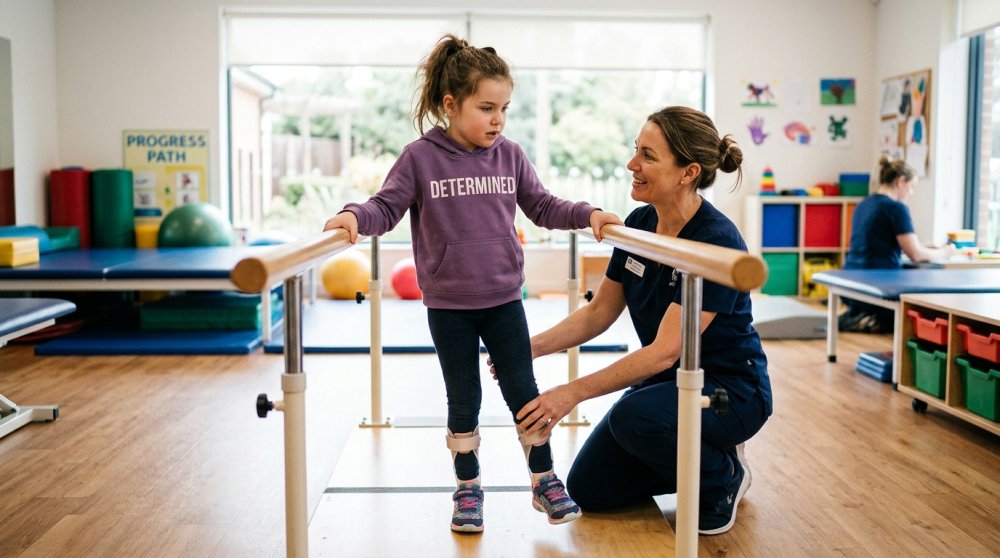
Early diagnosis and intervention prove crucial for optimizing outcomes. Physical therapy helps strengthen muscles and improve mobility, while occupational therapy focuses on skills needed for daily living. Speech therapy addresses communication difficulties when needed. Assistive devices, from braces to communication boards, expand possibilities for independence.
Risk factors for cerebral palsy include premature birth, low birth weight, multiple births, infections during pregnancy, and complications during delivery that reduce oxygen to the baby’s brain. However, many cases occur without any identifiable risk factors, and having risk factors doesn’t guarantee the condition will develop.
Medical advances continue to improve quality of life for those with cerebral palsy. Medications can help manage muscle stiffness and pain, while surgical interventions may improve mobility in specific cases. Emerging therapies, including stem cell research, offer hope for future treatment options.
Adults with cerebral palsy face unique health considerations as they age. The physical demands of managing the condition throughout life can lead to earlier onset of age-related issues like arthritis and fatigue. Regular medical care tailored to these specific needs becomes increasingly important.
The cerebral palsy community emphasizes that the condition represents one aspect of a person’s identity, not their entire story. Many individuals with cerebral palsy lead fulfilling lives, pursuing education, careers, relationships, and personal goals. Support networks, adaptive technologies, and inclusive policies continue expanding opportunities.
Families navigating a cerebral palsy diagnosis benefit from connecting with support organizations, experienced healthcare teams, and other families who understand the journey. Resources range from educational materials to financial assistance programs that help cover therapy costs and adaptive equipment.
Ongoing research explores prevention strategies and improved treatments. Understanding the causes of brain injury that lead to cerebral palsy helps identify potential prevention methods, while studies on neuroplasticity—the brain’s ability to form new connections—inform therapeutic approaches.
Public awareness and education about cerebral palsy remain essential for fostering inclusion and understanding. Recognizing the diversity within the cerebral palsy community, respecting individual capabilities, and ensuring accessibility create environments where everyone can participate fully in society.
