Nutrition
How One Simple Trick Reveals If a Watermelon Is Sweet Before You Buy

Health Points
- Watermelons are 92% water and rich in vitamins A, C, and lycopene, making them a nutritious hydration choice for summer months
- Proper selection techniques can help identify sweeter, more flavorful melons by checking field spots, weight, and surface texture
- Storing cut watermelon properly in airtight containers can preserve freshness and nutritional value for up to four days
Summer brings countless trips to the grocery store or farmers market, where stacks of watermelons promise refreshment on hot days. Yet picking the perfect one can feel like guesswork.
Nutrition experts and produce specialists say several reliable indicators can help shoppers select the sweetest, ripest watermelon every time. These methods focus on visual cues and physical characteristics that signal peak flavor.
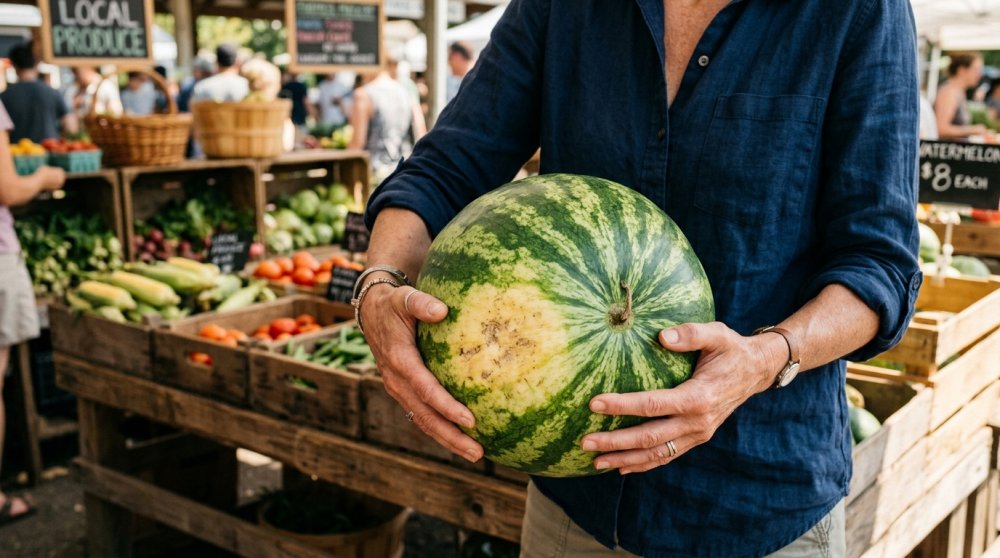
The first sign of a quality watermelon appears right on its surface. Look for a creamy yellow or orange spot on one side—this “field spot” shows where the melon rested on the ground while ripening.
A deep yellow or orange hue indicates the fruit ripened naturally in the field. A white or pale green spot suggests the watermelon was picked too early, before sugars fully developed.
Weight matters more than most shoppers realize. Pick up several melons of similar size and compare their heft.
The heaviest one contains more water, which correlates with juiciness and better flavor. A lightweight watermelon often indicates it has dried out or never reached optimal ripeness.
Shape provides another useful clue. Nutritionists recommend choosing watermelons that appear symmetrical and uniformly oval or round.
Irregular bumps or flat sides can signal inconsistent growing conditions. These melons may have uneven sweetness throughout.
The surface texture deserves close inspection. A dull, matte finish indicates ripeness, while a shiny appearance often means the melon was picked prematurely.
Run your hand across the rind—it should feel firm and smooth. Avoid melons with soft spots, bruises, or cuts that compromise freshness.
Many shoppers swear by the “thump test,” though experts note it requires practice. Tap the watermelon with your palm or knuckles.
A deep, hollow sound suggests ripeness and good water content. A flat or dull thud may indicate an overripe or mealy texture inside.
Examine the stem end where the watermelon was cut from the vine. A dried, brown stem indicates the fruit ripened on the vine before harvest.
A green stem suggests premature picking. The melon may lack the full sweetness that develops during extended vine time.
Size doesn’t necessarily determine quality. Medium-sized watermelons often concentrate flavor better than enormous ones.
Larger melons can sometimes taste watered down. Choose based on the other indicators rather than sheer size alone.
Once home, proper storage maintains quality. Whole watermelons keep at room temperature for up to two weeks.
After cutting, wrap pieces tightly in plastic or store in airtight containers in the refrigerator. Consume within three to four days for best flavor and food safety.
These selection techniques work at any produce outlet—grocery stores, farmers markets, or roadside stands. They help ensure consistent results without relying on luck.
For health-conscious shoppers over 40, watermelon offers significant benefits beyond refreshment. Its high water content supports hydration, while lycopene provides antioxidant protection linked to heart health and reduced inflammation.
Vitamin C content supports immune function and skin health. The natural sugars provide energy without added processed ingredients, making watermelon a wholesome choice for families.
With these expert-backed selection methods, summer gatherings and daily snacking can feature consistently sweet, flavorful watermelon. The small effort invested in proper selection pays dividends in taste and nutrition.
