Health
Ancient Spice Shows Promise for Ten Common Health Concerns

Health Points
- Turmeric contains curcumin, a compound studied for its natural anti-inflammatory and antioxidant properties
- Research suggests turmeric may support joint health, digestive function, and cognitive wellness in adults over 40
- Consult your healthcare provider before adding turmeric supplements to your routine, especially if taking medications
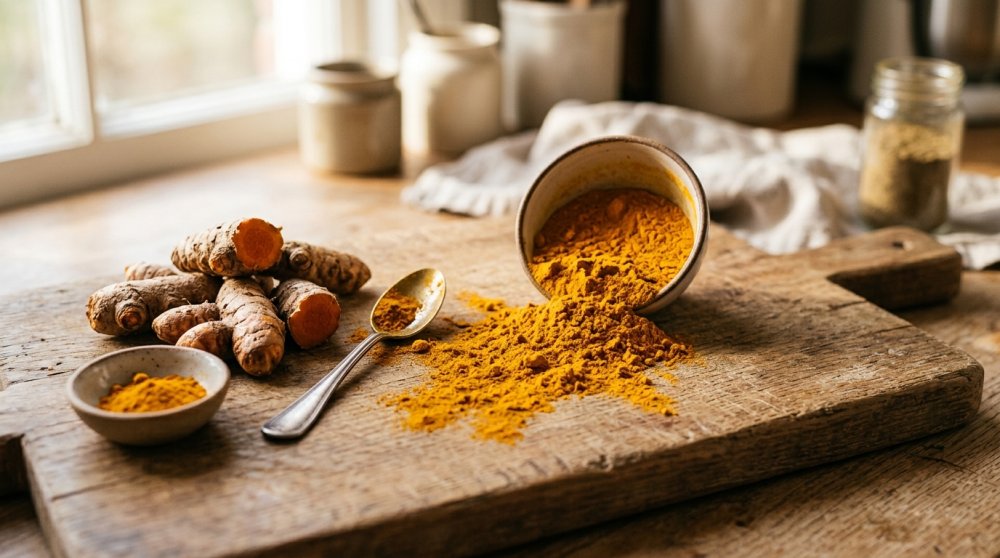
For thousands of years, traditional medicine practices have turned to turmeric as a natural remedy. Now modern science is catching up, exploring how this golden spice—long valued in Indian and Asian healing traditions—may offer support for a range of health concerns affecting Americans over 40.
The active compound in turmeric, curcumin, has captured the attention of researchers worldwide. Its potential anti-inflammatory and antioxidant properties make it a subject of ongoing clinical studies examining everything from joint discomfort to brain health.
Turmeric’s potential reaches beyond a single health issue. Evidence suggests this humble kitchen staple may play a supportive role in managing joint inflammation, a concern that affects millions of adults as they age.
The spice has also drawn interest for digestive wellness. Some studies indicate turmeric may help ease occasional bloating and support healthy digestive function, though more research is needed to fully understand these mechanisms.
For those concerned about cognitive health—a top priority for the 40-plus demographic—preliminary research suggests curcumin may support brain function and memory. While scientists caution that more extensive human trials are necessary, early findings offer encouragement.
Heart health represents another area of interest. Research indicates turmeric may support healthy cholesterol levels and promote cardiovascular wellness, though it should never replace prescribed medications or lifestyle modifications recommended by your physician.
The spice’s potential extends to blood sugar management as well. Some studies suggest curcumin may help support healthy glucose metabolism, a consideration for the millions of Americans managing or trying to prevent type 2 diabetes.
Turmeric has also been studied for its possible role in supporting skin health. Its antioxidant properties may help protect against environmental stressors that contribute to visible signs of aging.
Additionally, researchers are exploring turmeric’s potential benefits for mood support and managing occasional feelings of sadness. While these findings remain preliminary, they add to the growing body of evidence surrounding this traditional remedy.
The spice may also support liver function and natural detoxification processes. Some research suggests it could help protect this vital organ from oxidative stress.
For those dealing with seasonal allergies, early studies indicate turmeric might help ease nasal congestion and related symptoms, though more definitive research is needed.
Finally, turmeric continues to be studied for its potential role in supporting immune system function—particularly relevant as we focus more on preventive health strategies.
Despite these promising areas of research, health experts emphasize that turmeric is not a cure-all. The absorption of curcumin can be limited, which is why many supplements combine it with black pepper extract to enhance bioavailability.
Before adding turmeric supplements to your wellness routine, consult with your healthcare provider. Turmeric can interact with certain medications, including blood thinners and diabetes drugs.
For most people, adding turmeric to food as a culinary spice is considered safe. Whether sprinkled in smoothies, stirred into soups, or blended into golden milk, this traditional ingredient offers a flavorful way to potentially support your health naturally.
As research continues to unfold, turmeric stands as a testament to the wisdom of traditional medicine—and the value of examining ancient remedies through the lens of modern science.
