Lifestyle
The Surprising Health Shift Doctors Now Recommend for Everyone Over 40

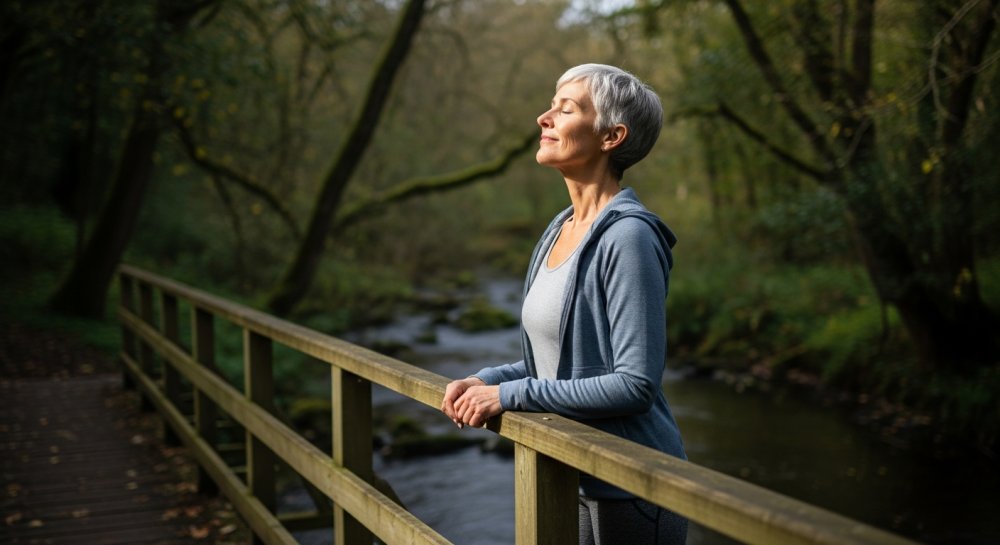
Health Points
- Regular time in natural settings can reduce stress hormones and lower blood pressure in adults over 40
- Even brief outdoor breaks of 15-20 minutes can improve mental clarity and emotional wellbeing
- Healthcare professionals increasingly recommend nature exposure as part of preventive health strategies
Modern life has quietly pulled us away from something our bodies fundamentally need: regular contact with the natural world. Between demanding work schedules, digital distractions, and indoor-focused routines, many adults find themselves spending days without meaningful time outdoors.
For those over 40, this disconnection carries real health consequences. Research continues to demonstrate that our wellbeing suffers when we lose touch with nature, affecting everything from sleep quality to cardiovascular health.
The good news? Reconnecting doesn’t require dramatic lifestyle changes or expensive retreats. Simple, intentional breaks in natural settings can deliver measurable benefits that support healthy aging.
Why Nature Matters More as We Age
Our bodies respond to natural environments in ways that become increasingly important with age. Sunlight exposure helps regulate circadian rhythms, which often become disrupted in midlife and beyond. Fresh air and gentle physical activity support cardiovascular function and joint health.
Natural settings also provide something urban environments cannot: a reduction in sensory overload. The constant stimulation of modern life taxes our nervous systems, contributing to chronic stress that accelerates aging processes.
Time spent in green spaces gives our minds permission to rest differently than indoor relaxation. This type of restorative rest supports cognitive function and emotional regulation in ways that become more valuable as we navigate the challenges of aging.
What the Science Shows
Studies examining nature exposure consistently find improvements in key health markers. Blood pressure readings often drop after time spent in natural settings. Stress hormone levels decrease, while markers of immune function improve.
Mental health benefits prove equally significant. Regular nature contact correlates with reduced anxiety, better mood stability, and improved focus. For adults managing the responsibilities of work, family, and personal health, these cognitive benefits translate into better daily functioning.
Even brief outdoor sessions deliver results. A 20-minute walk in a park can shift physiological stress responses, while weekend hikes provide more substantial restoration that carries into the following week.
Making Nature Part of Your Routine
The most effective approach involves consistency rather than intensity. Daily or near-daily exposure to natural settings works better than occasional extended trips, though both have value.
Morning walks offer particular benefits for those over 40. Early sunlight helps maintain healthy sleep-wake cycles, while morning movement supports metabolic health throughout the day. Even 15 minutes can make a difference.
For those with mobility concerns or limited access to parks, any outdoor time counts. Sitting in a garden, tending plants on a balcony, or walking around a neighborhood with trees all provide exposure to natural elements that indoor environments lack.
Practical Ways to Increase Nature Contact
Start by identifying natural spaces within easy reach of your home or workplace. Parks, trails, waterfronts, or even tree-lined streets can serve as regular destinations for short breaks.
Schedule outdoor time with the same priority given to other health appointments. Treating nature exposure as a legitimate health practice makes it easier to maintain consistency.
Combine nature time with activities you already do. Take phone calls while walking outside, read in a park instead of indoors, or suggest outdoor meeting spots with friends. These simple shifts increase nature contact without adding time demands.
Seasonal Considerations
Weather shouldn’t become an excuse to skip outdoor time entirely. Appropriate clothing makes most conditions manageable, and different seasons offer unique benefits.
Winter sunlight remains valuable for vitamin D production and mood support. Spring and fall provide comfortable temperatures ideal for longer walks. Summer mornings or evenings offer pleasant conditions while avoiding midday heat.
The key involves finding what works for your situation rather than waiting for perfect conditions. Flexibility ensures nature contact remains consistent year-round.
The Bigger Picture
As healthcare increasingly recognizes the role of lifestyle factors in healthy aging, nature exposure stands out as an accessible, low-cost intervention with minimal downsides. Unlike many health strategies requiring special equipment or expertise, time outdoors remains available to most people.
For adults committed to maintaining vitality and independence as they age, regular nature contact represents a practical investment in long-term wellbeing. The evidence supporting its benefits continues to grow, while the barriers to implementation remain refreshingly low.
In a culture that often emphasizes complex solutions to health challenges, stepping outside offers elegant simplicity. Our bodies evolved in natural environments, and they still respond positively when we provide regular exposure to the outdoor world we’ve largely left behind.
