Lifestyle
The Hidden Connection Between Your Living Room and Your Blood Pressure

Health Points
- Research shows home environments directly influence cortisol levels and cardiovascular health in adults over 40
- Simple changes like natural lighting and decluttering can reduce stress hormones by up to 30%
- Creating designated calm spaces at home supports better sleep quality and emotional regulation
When stress levels climb, most of us look to our schedules, our workload, or our relationships for answers. Few people consider the four walls around them.
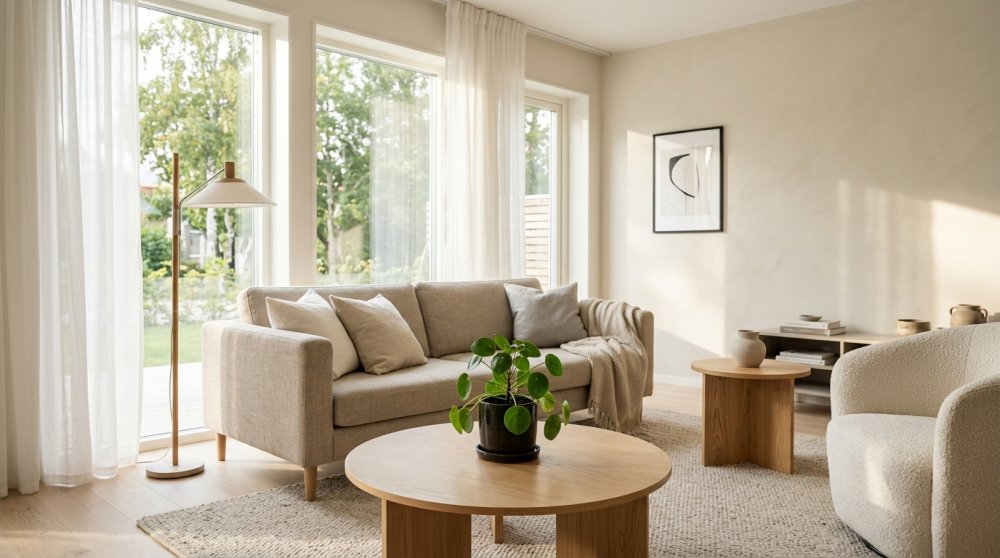
Yet emerging research reveals that our home environment plays a surprisingly powerful role in daily wellbeing. The colors on the walls, the amount of natural light streaming through windows, even the level of clutter on countertops — all of these factors influence our nervous system in measurable ways.
Dr. Sarah Mitchell, an environmental psychologist at Stanford University, has spent the past decade studying how physical spaces affect mental health. Her findings suggest that adults over 40 are particularly sensitive to environmental stressors at home.
As we age, our stress response systems become more reactive to our surroundings. A chaotic home environment can keep cortisol levels elevated throughout the day, which impacts everything from blood pressure to immune function.
The connection isn’t just theoretical. Studies measuring cortisol levels in people’s homes have found that cluttered, poorly lit spaces correlate with higher stress hormones.
Conversely, homes with good natural lighting, organized spaces, and calming color schemes show measurably lower stress markers in residents.
One major factor is visual noise. When our eyes constantly scan a disorganized space, our brain never fully relaxes. This low-level activation keeps the sympathetic nervous system engaged, making true rest difficult even during downtime at home.
Natural light exposure also plays a critical role in regulating circadian rhythms, which govern sleep quality and mood stability. Homes with limited natural light can disrupt these biological cycles, contributing to fatigue and irritability.
Temperature and air quality matter too. Poor ventilation and stale air have been linked to decreased cognitive function and increased feelings of malaise. Maintaining good airflow and comfortable temperatures helps the body maintain its natural stress-regulation mechanisms.
Dr. Mitchell recommends starting with small, manageable changes rather than overwhelming renovations.
You don’t need a complete home makeover. Begin with one room where you spend the most time. Clear surfaces, maximize natural light, and introduce plants or natural elements. These simple shifts can significantly impact how your body responds to stress.
Creating a dedicated calm space — even just a corner with a comfortable chair and good lighting — gives the nervous system a reliable place to downshift. This becomes especially important for those managing chronic stress or recovering from health challenges.
Color psychology also influences mood and stress levels. Soft blues and greens tend to have calming effects, while harsh reds and bright yellows can increase arousal and agitation. Neutral tones create a sense of stability and groundedness.
Sound management is another often-overlooked element. Constant background noise from traffic, appliances, or electronics keeps stress hormones elevated. Simple solutions like rugs, curtains, and strategic furniture placement can significantly reduce ambient noise.
For adults managing health conditions, the home environment becomes even more critical. A peaceful, well-organized space supports medication adherence, regular meal times, and consistent sleep schedules — all essential for managing chronic conditions.
The good news is that small environmental changes often produce noticeable results within days. Many people report better sleep, improved mood, and greater sense of control after making even minor adjustments to their living spaces.
Taking inventory of your home through a stress-reduction lens can reveal simple opportunities for improvement. Ask yourself: Does this space help me relax, or does it add to my mental load? The answer often points toward straightforward solutions that support both immediate comfort and long-term health.
