Health
The Cholesterol Numbers Your Doctor Actually Wants to See

Health Points
- Total cholesterol below 200 mg/dL is considered healthy, while LDL cholesterol should stay under 100 mg/dL for optimal heart protection
- HDL cholesterol functions as the body’s protective factor, with levels above 60 mg/dL helping reduce cardiovascular disease risk
- Regular cholesterol screening becomes essential after age 40, with lifestyle modifications and medical treatment both playing crucial roles in management
Understanding cholesterol levels remains one of the most important aspects of maintaining heart health as we age. While cholesterol often carries a negative reputation, this waxy substance serves vital functions in our bodies—from building cell membranes to producing essential hormones.
The key lies in maintaining the right balance. Medical professionals categorize cholesterol into several types, each playing a distinct role in cardiovascular health.
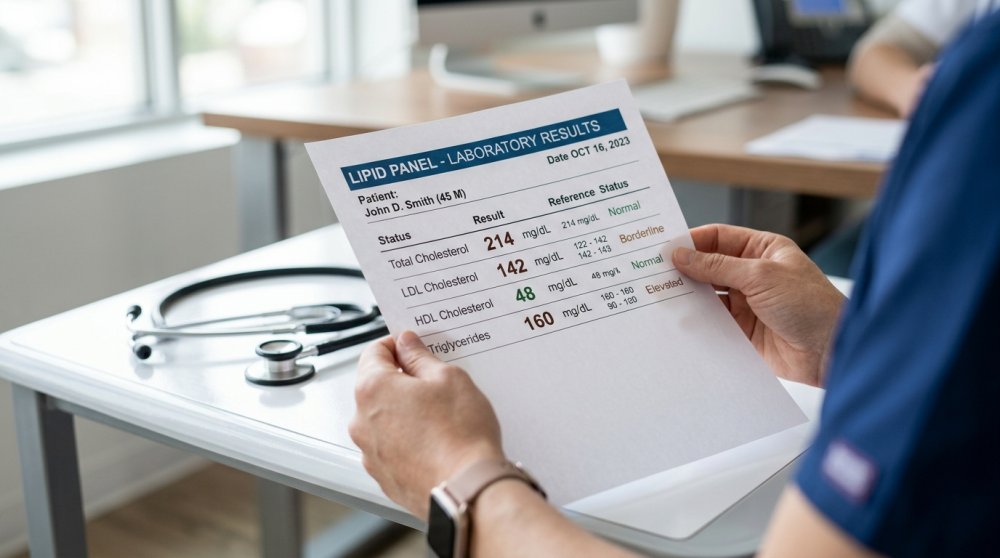
Total cholesterol represents the combined measurement of all cholesterol types in your bloodstream. According to established medical guidelines, a total cholesterol level below 200 milligrams per deciliter (mg/dL) is considered desirable for most adults. Levels between 200 and 239 mg/dL fall into the borderline high category, while readings of 240 mg/dL and above are classified as high.
Low-density lipoprotein, commonly known as LDL or “bad” cholesterol, deserves particular attention. This type contributes to plaque buildup in arteries, increasing the risk of heart attack and stroke. For optimal health, LDL cholesterol should remain below 100 mg/dL. Levels between 100 and 129 mg/dL are considered near optimal, while readings of 130 to 159 mg/dL enter the borderline high range.
High-density lipoprotein, or HDL cholesterol, earns its nickname as “good” cholesterol for good reason. This beneficial type helps remove other forms of cholesterol from the bloodstream, transporting them back to the liver for disposal. Higher HDL levels provide protective benefits against heart disease.
For men, HDL levels should ideally exceed 40 mg/dL, while women should aim for levels above 50 mg/dL. Levels of 60 mg/dL or higher are considered especially protective and may help offset other cardiovascular risk factors.
Triglycerides, another type of fat found in the blood, also factor into your overall cholesterol profile. Normal triglyceride levels should stay below 150 mg/dL. Elevated triglycerides often accompany other risk factors, including obesity, physical inactivity, and type 2 diabetes.
The timing of cholesterol screening matters. Most healthcare providers recommend adults begin regular cholesterol testing by age 20, with frequency depending on individual risk factors. Adults over 40 or those with existing cardiovascular risk factors may need more frequent monitoring.
Many factors influence cholesterol levels beyond diet alone. Genetics play a significant role—some individuals inherit conditions that cause high cholesterol regardless of lifestyle choices. Age naturally affects cholesterol levels as well, with levels typically rising as we grow older. Women often experience cholesterol changes during and after menopause.
Physical activity level, body weight, smoking status, and certain medications all contribute to your cholesterol profile. Chronic conditions including diabetes and thyroid disorders can also impact these numbers significantly.
When cholesterol levels exceed healthy ranges, lifestyle modifications serve as the first line of defense. Adopting a heart-healthy diet rich in fruits, vegetables, whole grains, and lean proteins can make a measurable difference. Reducing saturated fat and eliminating trans fats from your diet helps lower LDL cholesterol.
Regular physical activity—at least 150 minutes of moderate exercise weekly—improves cholesterol ratios by raising HDL while lowering LDL and triglycerides. Achieving and maintaining a healthy weight amplifies these benefits.
For individuals whose cholesterol remains elevated despite lifestyle changes, or those at high cardiovascular risk, medication may become necessary. Statins represent the most commonly prescribed cholesterol-lowering drugs, effectively reducing LDL levels and decreasing heart attack and stroke risk. Other medication options include bile acid sequestrants, cholesterol absorption inhibitors, and PCSK9 inhibitors for specific cases.
Working closely with your healthcare provider ensures an individualized approach to cholesterol management. Your target numbers may differ based on your overall health profile, family history, and existing cardiovascular risk factors. Some individuals with multiple risk factors may need more aggressive treatment to achieve lower LDL targets.
Understanding these numbers empowers you to take an active role in protecting your heart health. Regular monitoring, combined with appropriate lifestyle choices and medical guidance when needed, provides the foundation for maintaining healthy cholesterol levels throughout the decades ahead.
