Nutrition
Six Surprising Health Benefits Hidden in Your Pumpkin

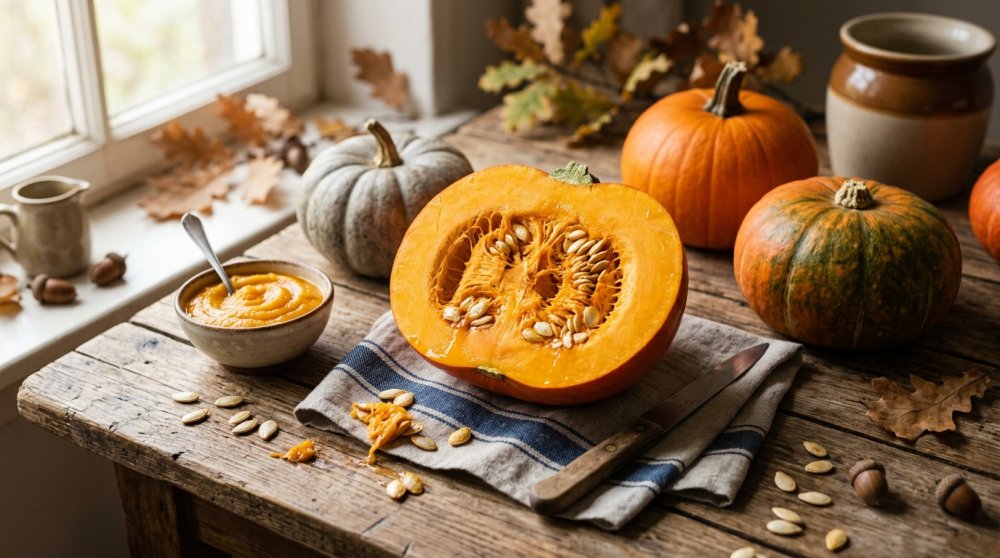
Health Points
- Pumpkin contains powerful antioxidants including beta-carotene and vitamin C that support immune function and eye health
- High fiber content aids digestive health and promotes feelings of fullness for weight management
- Nutrient-dense pumpkin provides essential vitamins and minerals while remaining low in calories
As autumn arrives and pumpkins appear on doorsteps across America, many families overlook the impressive nutritional benefits hiding beneath the orange exterior. While pumpkins have become synonymous with seasonal decorations, this versatile squash offers remarkable health advantages that extend far beyond its festive appeal.
Registered dietitians and nutrition experts emphasize that incorporating pumpkin into regular meal planning can deliver substantial wellness benefits. From supporting vision to strengthening immune defenses, this humble gourd deserves recognition as a nutritional powerhouse.
Rich in Vision-Protecting Antioxidants
Pumpkin’s vibrant orange color signals the presence of beta-carotene, a powerful antioxidant that the body converts into vitamin A. This essential nutrient plays a critical role in maintaining healthy vision, particularly as we age.
One cup of cooked pumpkin provides more than 200 percent of the recommended daily intake of vitamin A. This generous serving supports retinal health and may help reduce the risk of age-related eye conditions that become more common after 40.
The antioxidants lutein and zeaxanthin, also found in pumpkin, concentrate in the retina where they filter harmful blue light and protect delicate eye tissues from oxidative damage.
Immune System Support
Beyond beta-carotene, pumpkin contains significant amounts of vitamin C, another crucial nutrient for immune function. A single cup of cooked pumpkin delivers approximately 20 percent of the daily vitamin C requirement.
These immune-supporting nutrients work together to strengthen the body’s natural defenses, particularly important during cold and flu season. The combination of vitamins A and C helps maintain the integrity of skin and mucous membranes, the body’s first line of defense against pathogens.
Digestive Health Benefits
Pumpkin provides an excellent source of dietary fiber, with one cup of cooked pumpkin containing about 3 grams. This fiber content supports healthy digestion and regular bowel function, concerns that become increasingly important with age.
The soluble fiber in pumpkin can help moderate blood sugar levels by slowing digestion and sugar absorption. This benefit proves particularly valuable for individuals managing blood sugar concerns or working to maintain stable energy levels throughout the day.
Additionally, fiber promotes feelings of fullness and satisfaction after meals, making pumpkin a valuable ally for those focused on healthy weight management.
Heart Health Properties
The potassium content in pumpkin contributes to cardiovascular wellness by helping regulate blood pressure. One cup provides approximately 560 milligrams of potassium, a mineral that counterbalances the effects of sodium in the diet.
Pumpkin’s fiber content also supports heart health by helping maintain healthy cholesterol levels. Studies indicate that diets rich in fiber from whole foods like pumpkin correlate with reduced risk of cardiovascular disease.
The antioxidants present in pumpkin may help protect blood vessels from oxidative stress, further supporting long-term cardiovascular function.
Skin Health and Anti-Aging Properties
The same nutrients that benefit internal health also support skin vitality. Beta-carotene and vitamin C both play essential roles in collagen production and skin cell renewal.
Vitamin C acts as a cofactor in collagen synthesis, the protein that gives skin its structure and elasticity. As collagen production naturally declines with age, ensuring adequate vitamin C intake becomes increasingly important.
The antioxidants in pumpkin help protect skin cells from damage caused by ultraviolet radiation and environmental pollutants, potentially reducing visible signs of aging.
Low-Calorie Nutrient Density
One of pumpkin’s most appealing characteristics is its impressive nutrient profile combined with minimal calories. A cup of cooked pumpkin contains only about 50 calories while delivering substantial amounts of essential vitamins and minerals.
This nutrient density makes pumpkin an ideal food for those seeking to maximize nutrition while managing caloric intake. The low calorie count allows generous portions without compromising dietary goals.
Pumpkin can easily replace higher-calorie ingredients in many recipes, from soups and smoothies to baked goods, providing nutrition and flavor without excess calories.
Simple Ways to Incorporate Pumpkin
Fresh pumpkin requires some preparation, but canned pumpkin puree offers convenience without sacrificing nutritional value. When selecting canned options, choose pure pumpkin rather than pumpkin pie filling, which contains added sugars and spices.
Pumpkin puree blends seamlessly into morning oatmeal, yogurt parfaits, and smoothies. It can enhance soups and stews with subtle sweetness and creamy texture.
For baking enthusiasts, pumpkin can partially replace oil or butter in many recipes, reducing fat content while adding moisture and nutrients. Try incorporating it into pancakes, muffins, or whole grain breads for a nutritious twist on traditional favorites.
Roasted pumpkin seeds, also known as pepitas, provide additional nutritional benefits including protein, healthy fats, and minerals like magnesium and zinc. These make an excellent snack or crunchy salad topping.
As Americans embrace seasonal traditions, recognizing pumpkin’s considerable health benefits transforms this autumn staple from mere decoration into a valuable component of a wellness-focused lifestyle. By incorporating this nutrient-rich food into regular meal planning, families can support multiple aspects of health while enjoying its naturally sweet, comforting flavor.
