Health
Common Prescription May Be Sabotaging Your Summer Plans

Health Points
- At least 10 widely prescribed medications can dramatically increase your risk of sunburn, even with brief sun exposure
- Antibiotics, blood pressure drugs, and acne treatments are among the most common culprits of photosensitivity
- Medical experts recommend checking medication labels and consulting your physician before extended outdoor activities
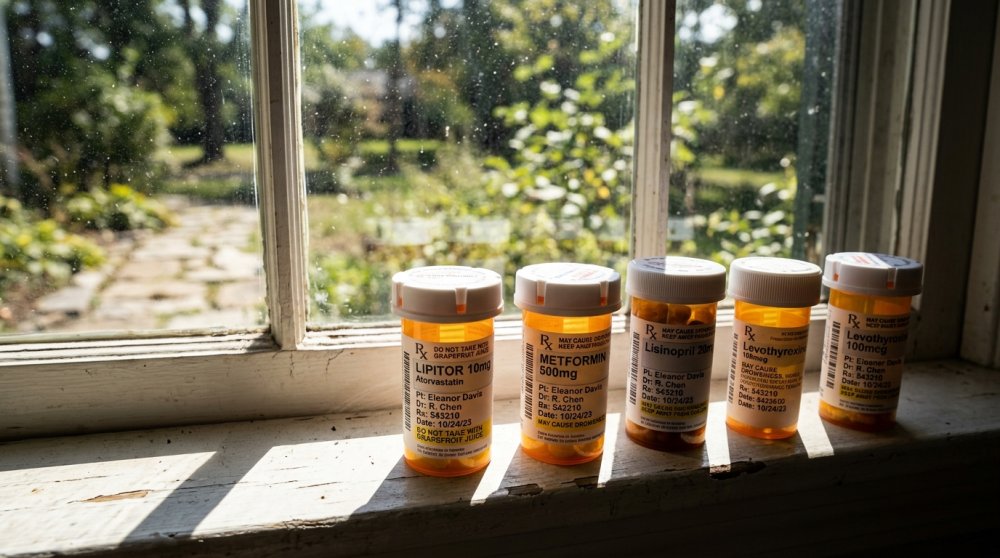
Millions of Americans taking routine medications may unknowingly be putting themselves at heightened risk for severe sunburns and skin damage during outdoor activities. Medical professionals are urging patients to review their prescription bottles before spending time in the sun this season.
Photosensitivity — a condition where medications make your skin abnormally reactive to ultraviolet light — affects users of some of the nation’s most commonly prescribed drugs. The reaction can occur within minutes of sun exposure and may result in burns far more severe than expected.
Tetracycline antibiotics, frequently prescribed for bacterial infections and acne, rank among the top offenders. Doxycycline, a medication used for everything from respiratory infections to Lyme disease prevention, can trigger dramatic skin reactions even in individuals who typically tan easily.
Blood pressure medications in the diuretic family also pose significant photosensitivity risks. Hydrochlorothiazide, one of America’s most prescribed drugs for hypertension, makes skin cells more vulnerable to UV damage. Patients taking these medications often discover the hard way that their usual sun tolerance has changed.
Retinoid medications prescribed for acne and anti-aging purposes create another category of concern. Isotretinoin and topical tretinoin thin the outer protective layer of skin, making it far more susceptible to burning. Dermatologists routinely counsel patients on these medications to minimize sun exposure.
Non-steroidal anti-inflammatory drugs (NSAIDs) including ibuprofen and naproxen can also increase photosensitivity in some users. While over-the-counter, these medications are frequently taken without consideration of their sun-related side effects.
Certain antidepressants and anti-anxiety medications have been linked to heightened sun sensitivity as well. Tricyclic antidepressants and some selective serotonin reuptake inhibitors (SSRIs) may alter how skin responds to sunlight.
Diabetes medications in the sulfonylurea class present additional concerns for outdoor enthusiasts. Glipizide and glyburide users should take extra precautions during peak sun hours.
Antihistamines, widely used for allergies, round out the list of common photosensitizing drugs. Diphenhydramine and certain prescription antihistamines can make skin more reactive to UV exposure.
Healthcare providers recommend several protective strategies for patients taking photosensitizing medications. Wearing protective clothing, seeking shade during peak sun hours between 10 a.m. and 4 p.m., and applying broad-spectrum sunscreen with SPF 30 or higher every two hours form the foundation of prevention.
Patients should never discontinue prescribed medications without consulting their physician. Instead, medical professionals suggest discussing sun safety strategies tailored to specific medications and individual risk factors.
Reading medication inserts and asking pharmacists about photosensitivity warnings can help patients make informed decisions about sun exposure. Many medications include specific cautionary language about increased sun sensitivity that users may overlook.
For those planning extended outdoor activities, scheduling them during less intense sun hours or discussing temporary medication adjustments with healthcare providers may be appropriate options. Protecting skin health while maintaining necessary medical treatment requires thoughtful planning and professional guidance.
