Health
What Dermatologists Just Revealed About This Ancient Hair Treatment

Health Points
- Castor oil contains ricinoleic acid, which may reduce inflammation and support scalp health, though direct hair growth evidence remains limited
- The thick oil can coat hair strands to improve texture and shine while potentially preventing breakage in brittle hair
- Experts recommend patch testing before use and consulting a dermatologist if experiencing hair loss rather than relying on castor oil alone
For generations, people have turned to natural remedies for healthier, fuller hair. One treatment gaining renewed attention is castor oil — a thick, nutrient-rich oil pressed from castor beans. But does this age-old remedy actually deliver on its promises?
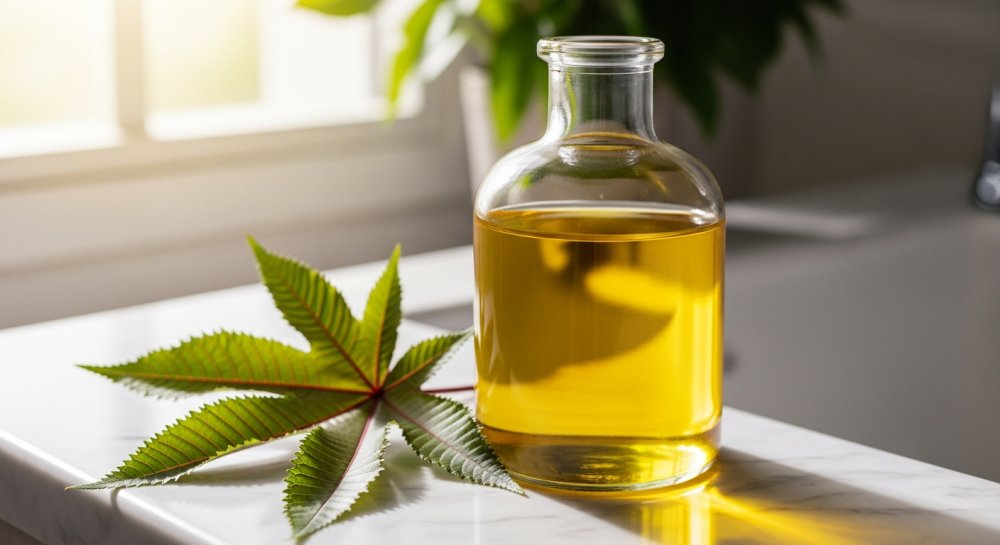
Castor oil has been used medicinally for thousands of years, dating back to ancient Egypt. Today, it’s experiencing a resurgence as people seek natural alternatives to commercial hair products. The viscous golden oil appears in countless beauty routines, with advocates claiming it can transform thinning hair into thick, lustrous locks.
The science behind castor oil centers on its unique composition. The oil is particularly rich in ricinoleic acid, a fatty acid that makes up about 90% of its content. This compound has anti-inflammatory properties that may benefit the scalp environment.
“While castor oil has been used traditionally for hair health, the scientific evidence supporting its ability to directly stimulate hair growth is limited,” explains Dr. Angela Phipps, a board-certified dermatologist. “What we do know is that it can improve the overall condition of the scalp and hair shaft.”
The potential benefits of castor oil for hair care extend beyond growth claims. Here’s what research and dermatological experience suggest about this popular treatment.
Scalp Health and Inflammation Reduction
A healthy scalp provides the foundation for healthy hair growth. Castor oil’s anti-inflammatory properties may help soothe irritated scalp conditions. The ricinoleic acid in castor oil can help reduce inflammation that might interfere with the normal hair growth cycle.
For people dealing with scalp irritation, flaking, or minor inflammation, castor oil may provide relief. However, those with diagnosed scalp conditions should consult a dermatologist before self-treating.
Moisture Retention and Hair Texture
Castor oil’s thick consistency allows it to coat hair strands effectively. This coating can help seal in moisture, particularly beneficial for dry or damaged hair. Many users report improved hair texture and increased shine after regular use.
The oil works as an emollient, smoothing the hair cuticle and reducing frizz. For those with naturally dry or coarse hair textures, this moisturizing effect can make hair appear fuller and healthier.
Potential Breakage Prevention
While castor oil may not directly stimulate new hair growth, it could help preserve the hair you already have. By improving hair strength and flexibility, the oil may reduce breakage — a common cause of thinning appearance.
Hair that breaks easily never reaches its full length potential. By coating and protecting hair strands, castor oil might allow hair to grow longer without snapping off. This effect can create the appearance of improved growth, even if the rate of new hair production hasn’t changed.
Antimicrobial Properties
Research indicates that castor oil possesses antimicrobial properties that may help combat certain scalp infections. A healthy, infection-free scalp supports optimal conditions for hair growth. While this shouldn’t replace medical treatment for diagnosed infections, it may contribute to overall scalp wellness.
Circulation and Nutrient Delivery
Some proponents suggest that massaging castor oil into the scalp may improve blood circulation to hair follicles. Increased circulation could theoretically enhance nutrient delivery to the follicles. However, the massage itself — regardless of which oil is used — may provide this benefit.
“The act of massaging any oil into the scalp stimulates blood flow,” notes Dr. Rachel Nazarian, a dermatologist specializing in hair disorders. “While castor oil has beneficial properties, we can’t definitively say it’s superior to other oils for promoting growth.”
Despite its potential benefits, castor oil isn’t a miracle cure for hair loss. Medical conditions causing hair loss — such as androgenetic alopecia, alopecia areata, or thyroid disorders — require proper diagnosis and treatment from a healthcare provider.
For those interested in trying castor oil, dermatologists recommend a few precautions. Always perform a patch test before applying any new product to your scalp. Apply a small amount to your inner arm and wait 24 hours to check for adverse reactions.
Due to its thick consistency, castor oil can be difficult to wash out. Many users dilute it with lighter oils like coconut, jojoba, or argan oil. Apply the oil mixture to the scalp and hair, leave it on for 30 minutes to several hours, then shampoo thoroughly — often requiring two washes.
Frequency matters as well. Most experts suggest using castor oil treatments once or twice weekly rather than daily. Overuse can lead to buildup, making hair appear greasy and weighed down.
Quality also varies among castor oil products. Cold-pressed, hexane-free castor oil maintains more of its natural properties. Jamaican black castor oil, made from roasted castor beans, is another popular variety that some prefer for its additional nutrients.
While anecdotal evidence and traditional use suggest castor oil offers hair benefits, it’s important to maintain realistic expectations. No topical treatment can reverse genetic hair loss patterns or address underlying medical conditions causing hair thinning.
“If you’re experiencing significant hair loss, that’s a signal to see a dermatologist,” Dr. Phipps emphasizes. “We have proven treatments available, and early intervention often yields the best results.”
For those dealing with normal hair concerns — dryness, breakage, or minor scalp irritation — castor oil represents a low-risk option worth considering. Its moisturizing properties and potential to improve hair strength make it a reasonable addition to a hair care routine.
The bottom line? Castor oil offers genuine benefits for hair and scalp health, particularly in improving moisture, reducing breakage, and soothing minor scalp inflammation. However, claims about dramatic hair growth remain largely unsubstantiated by rigorous scientific research.
As with many natural remedies, individual results vary widely. Some people swear by castor oil’s effects on their hair, while others notice minimal difference. The safest approach involves viewing castor oil as one component of comprehensive hair care rather than a standalone solution.
For optimal hair health, combine any topical treatments with a balanced diet rich in proteins, vitamins, and minerals. Stay hydrated, manage stress levels, and protect hair from excessive heat styling and chemical treatments. Address any underlying health conditions that might affect hair growth.
Those seeking to try castor oil should approach it as a complementary treatment for overall hair wellness rather than expecting transformative growth results. With appropriate expectations and proper use, this traditional remedy may offer modest benefits for hair appearance and scalp comfort.
