Nutrition
The Surprising Squash That May Lower Your Blood Sugar Naturally

Health Points
- Chayote squash contains beneficial plant compounds that may help regulate blood sugar levels and support metabolic health
- This mild-flavored vegetable provides essential vitamins and minerals while being naturally low in calories
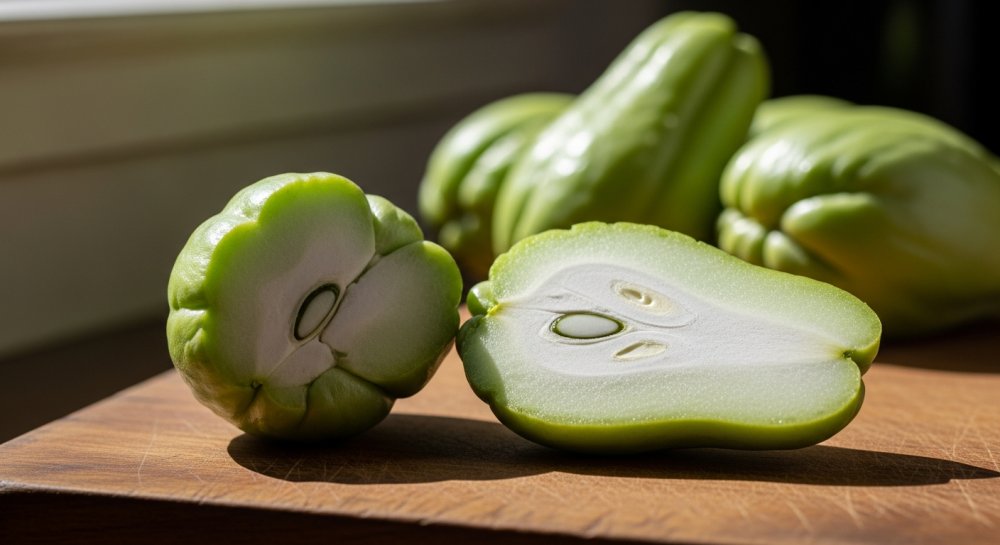
- The entire chayote can be eaten—skin, seed, and all—making it a versatile addition to both raw and cooked dishes
A pear-shaped vegetable that’s been a staple in Latin American and Asian cuisines for generations is gaining attention among health-conscious Americans over 40. Chayote squash, with its mild flavor and impressive nutritional profile, offers several evidence-based health benefits that align perfectly with age-positive wellness goals.
This unassuming member of the gourd family delivers more than just versatility in the kitchen. Research suggests it may play a meaningful role in supporting metabolic health, particularly for those managing blood sugar concerns.
Blood Sugar Support
The most compelling benefit of chayote lies in its potential to help regulate glucose levels. The vegetable contains plant compounds called flavonoids, which research indicates may improve insulin sensitivity and support healthy blood sugar metabolism.
“Chayote is rich in antioxidants and fiber, which can help with blood sugar control,” explains registered dietitian nutritionist Sarah Johnson, who specializes in metabolic health.
For adults monitoring their carbohydrate intake, chayote presents an appealing option. One cup of the cooked vegetable contains just 6 grams of carbohydrates, making it a smart substitute for higher-carb vegetables like potatoes or corn.
Heart-Healthy Nutrients
Beyond blood sugar benefits, chayote delivers nutrients that support cardiovascular wellness—a priority for many in the 40-plus demographic. The vegetable provides potassium, a mineral essential for maintaining healthy blood pressure levels.
Chayote also contains folate, a B vitamin that plays a role in reducing homocysteine levels in the blood. Elevated homocysteine has been linked to increased cardiovascular risk, making adequate folate intake an important consideration for heart health.
The antioxidants present in chayote, including vitamin C and various polyphenols, may help protect blood vessels from oxidative stress and inflammation—two factors that contribute to age-related cardiovascular changes.
Weight Management Friendly
For those focused on maintaining a healthy weight, chayote offers a satisfying option that won’t derail calorie goals. A full cup of cooked chayote contains only about 38 calories while providing nearly 3 grams of fiber.
“The high water and fiber content makes chayote very filling despite being low in calories,” notes Johnson.
This combination of low energy density and high satiety value makes the vegetable particularly useful for those looking to increase their vegetable intake without adding significant calories to their daily totals.
How to Prepare and Enjoy Chayote
One of chayote’s most appealing features is its complete edibility. Unlike many vegetables that require extensive trimming, the entire chayote—including the skin and the soft seed inside—can be consumed.
The flavor is mild and slightly sweet, with a texture similar to cucumber when raw or cooked zucchini when heated. This neutral taste profile makes it adaptable to various culinary applications.
For raw preparations, simply slice the chayote thinly and add it to salads or slaws. Its crisp texture adds a refreshing crunch without overwhelming other flavors.
Cooked preparations are equally straightforward. Chayote can be sautéed, roasted, grilled, or added to soups and stews. The vegetable absorbs surrounding flavors well, making it an excellent vehicle for herbs, spices, and other seasonings.
“I recommend starting with simple preparations—sautéed with olive oil and garlic, or roasted with your favorite vegetables,” suggests Johnson.
When shopping for chayote, look for firm specimens with unblemished skin. The vegetable should feel heavy for its size, indicating good moisture content. Store chayote in the refrigerator, where it will keep for up to two weeks.
For those new to this vegetable, its accessibility is improving. While chayote has traditionally been found primarily in Latin American or Asian markets, it’s increasingly available in mainstream grocery stores across the country.
The combination of health benefits, culinary versatility, and gentle flavor makes chayote a practical addition to a health-conscious eating pattern—particularly for those seeking natural approaches to support blood sugar management and overall wellness as they age.
