Health
The Water Temperature Mistake Most Women Make While Washing Their Face

Health Points
- Lukewarm water is optimal for facial cleansing, while extreme hot or cold temperatures can damage skin or reduce cleansing effectiveness
- Hot water strips away natural protective oils and can worsen conditions like rosacea and eczema, leading to dryness and irritation
- Cold water may feel refreshing but doesn’t effectively dissolve oils or open pores for proper cleansing
For decades, women have debated the best way to care for their skin, yet one of the most fundamental questions remains surprisingly controversial: what temperature water should you use when washing your face?
The answer might surprise those who swear by their ice-cold morning rinse or steamy evening routine.
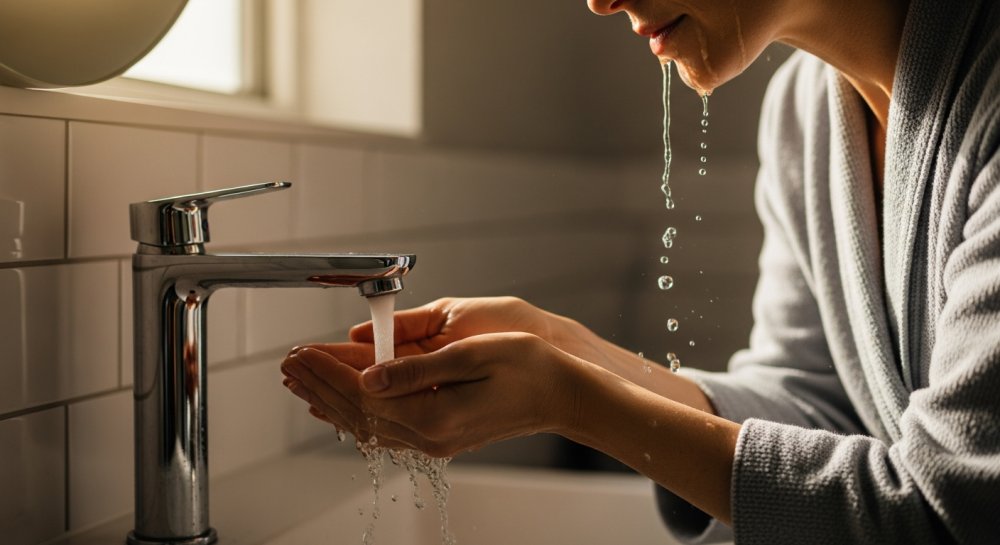
According to dermatologists, the ideal temperature for facial cleansing falls right in the middle—lukewarm water that feels neither hot nor cold to the touch. This moderate approach protects your skin’s natural barrier while still allowing for effective cleansing.
Hot water can strip the skin of its natural oils, leading to dryness, irritation, and even exacerbating conditions like rosacea or eczema,
explains Dr. Jennifer Gordon, board-certified dermatologist and founder of Westlake Dermatology in Austin, Texas.
The damage from hot water extends beyond immediate dryness. When you consistently wash with water that’s too warm, you compromise your skin’s protective lipid layer—the natural barrier that keeps moisture in and environmental irritants out.
For women over 40, this is particularly concerning, as skin already produces less natural oil with age.
But cold water presents its own set of challenges. While the bracing sensation might feel invigorating and temporarily tighten pores, cold water doesn’t effectively dissolve the oils, sunscreen, and makeup that accumulate on your face throughout the day.
Cold water can cause blood vessels to constrict temporarily, which may give the appearance of tighter pores, but it doesn’t actually clean as effectively,
notes Dr. Rachel Nazarian, a dermatologist at Schweiger Dermatology Group in New York City.
The lukewarm approach offers the best of both worlds. Water at this temperature opens pores slightly, allowing your cleanser to work more effectively without causing the irritation and moisture loss associated with hot water.
It rinses away impurities while maintaining your skin’s natural pH balance and protective oils.
For women dealing with specific skin conditions, water temperature becomes even more critical. Those with rosacea should be especially cautious about heat, as hot water can trigger flare-ups and increased redness.
Similarly, women with eczema or psoriasis may find that hot water intensifies itching and inflammation.
The temperature recommendation applies regardless of your skin type—whether you have dry, oily, combination, or sensitive skin. However, those with particularly dry or mature skin should be extra vigilant about avoiding hot water, which accelerates moisture loss.
Experts suggest a simple test: the water should feel comfortable when you dip your wrist under the stream. If it feels hot or cold on this sensitive area, adjust accordingly before applying it to your face.
Your cleansing routine matters beyond just water temperature. Dermatologists recommend washing your face twice daily—once in the morning to remove oils that accumulate overnight, and once in the evening to eliminate makeup, sunscreen, and environmental pollutants.
After cleansing with lukewarm water, pat your face dry gently with a clean towel rather than rubbing vigorously. Then apply your serums and moisturizers while your skin is still slightly damp to lock in hydration.
For those who enjoy the invigorating sensation of cold water, dermatologists suggest saving it for a final rinse after your lukewarm cleanse. This brief exposure can provide that refreshing feeling without compromising the effectiveness of your cleansing routine.
The bottom line? Your grandmother’s advice about moderation applies even to skincare.
Lukewarm water provides the perfect balance—effective cleansing without the damaging effects of temperature extremes. This simple adjustment to your daily routine can make a meaningful difference in your skin’s health and appearance over time.
