Nutrition
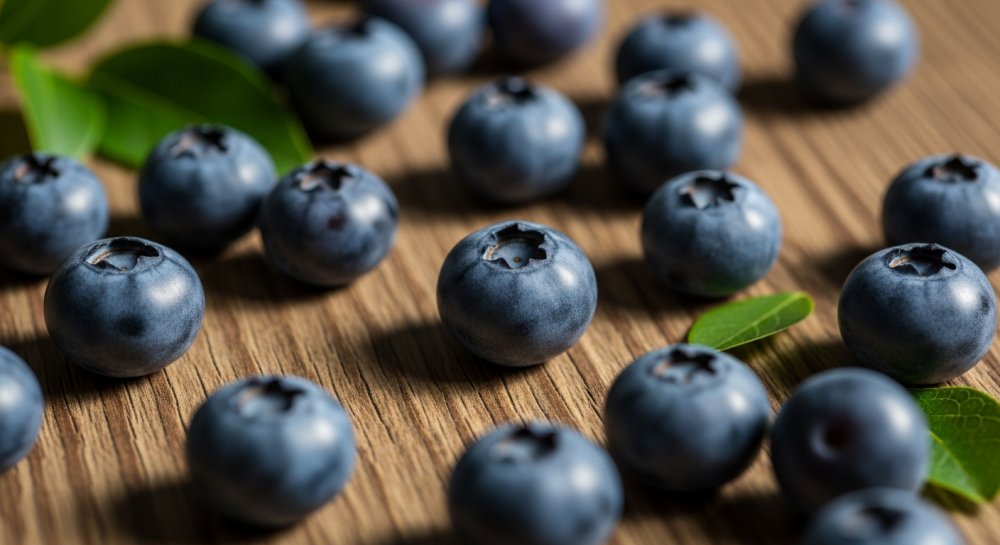
The Purple Powerhouse Fruit That Could Shield Your Heart and Mind

Health Points
- Blueberries contain powerful antioxidants called anthocyanins that may protect against heart disease and cognitive decline
- Just one cup of blueberries provides 24% of your daily vitamin C needs and 4 grams of fiber
- Research suggests regular blueberry consumption may help lower blood pressure and improve memory function
For those of us navigating the journey beyond 40, nature offers a remarkable ally in a small, unassuming package. The humble blueberry, long celebrated in traditional American cuisine, has emerged as one of the most researched fruits in nutritional science—and the findings offer hope for maintaining vitality through our golden years.
These tiny blue gems pack an extraordinary nutritional punch that extends far beyond their modest calorie count. At just 84 calories per cup, blueberries deliver a wealth of essential nutrients that address some of the most pressing health concerns facing Americans over 40.
A Natural Defense Against Heart Disease
Heart health becomes increasingly precious as we age, and blueberries may offer meaningful protection. The deep blue color that makes these berries so distinctive comes from anthocyanins—powerful plant compounds that research has linked to cardiovascular benefits.
Studies have demonstrated that regular blueberry consumption may help reduce blood pressure, a critical factor in heart disease prevention. The anthocyanins work by supporting the health of blood vessel walls and improving circulation throughout the body.
For individuals concerned about cholesterol, blueberries present another advantage. Research indicates these berries may help reduce LDL cholesterol oxidation, a process that contributes to arterial plaque buildup. This protective effect occurs through the berries’ abundant antioxidant content, which helps neutralize harmful free radicals before they can damage delicate cardiovascular tissues.
Protecting Cognitive Function
Perhaps most encouraging for those of us hoping to maintain mental sharpness, emerging research suggests blueberries may support brain health as we age. Multiple studies have examined the relationship between blueberry consumption and cognitive function, with promising results.
The same anthocyanins that benefit the heart appear to cross the blood-brain barrier, where they may help protect brain cells from oxidative stress and inflammation—two factors implicated in age-related cognitive decline. Some research has even suggested that regular blueberry intake might improve memory and delay the onset of cognitive impairment.
One landmark study found that older adults who consumed blueberries daily showed improved performance on memory tests compared to those who didn’t. While more research is needed, these findings offer hope that simple dietary choices may contribute to maintaining cognitive vitality.
Blood Sugar Balance and Metabolic Health
Despite their natural sweetness, blueberries rank relatively low on the glycemic index, meaning they cause a more gradual rise in blood sugar compared to many other fruits. This characteristic makes them particularly valuable for individuals managing blood sugar levels or concerned about metabolic health.
The fiber content in blueberries—4 grams per cup—also contributes to this blood sugar-friendly profile. Fiber slows the absorption of sugars into the bloodstream, helping to prevent the spikes and crashes that can leave us feeling depleted. For those watching their weight, the combination of fiber, water content, and natural sweetness makes blueberries a satisfying choice that supports healthy eating patterns.
Nutritional Foundation
Beyond their specialized health benefits, blueberries provide essential nutrients that support overall wellness. A single cup delivers nearly a quarter of the recommended daily vitamin C intake, supporting immune function and skin health—both particularly important as we age.
The berries also contain manganese, a mineral that plays a role in bone health and metabolism, along with vitamin K, which supports both bone strength and proper blood clotting. These nutrients work in concert with the berries’ antioxidant compounds to support multiple body systems simultaneously.
Practical Ways to Enjoy Blueberries
The beauty of blueberries lies not just in their health benefits but in their versatility. Fresh blueberries make an ideal snack on their own, requiring no preparation beyond a quick rinse. They add natural sweetness and nutritional value to morning oatmeal or yogurt, transforming a simple breakfast into a health-supporting meal.
For those who enjoy baking, blueberries can be incorporated into whole-grain muffins or added to pancake batter for a nutritious twist on traditional favorites. Frozen blueberries work beautifully in smoothies, offering the same nutritional benefits as fresh berries while providing a cooling, thick texture.
One practical advantage: frozen blueberries retain their nutritional value remarkably well, making them a convenient and often more economical choice, particularly during off-season months. They can be purchased in bulk and stored for months, ensuring a steady supply of this healthful fruit year-round.
As we navigate the complexities of maintaining health and vitality beyond 40, blueberries stand out as a simple, accessible choice backed by substantial research. While no single food serves as a magic solution, incorporating these nutrient-dense berries into a balanced diet represents a small step that may yield meaningful benefits for heart health, cognitive function, and overall wellness.
In a world of complicated health advice and expensive supplements, sometimes the most powerful tools for healthy aging grow on bushes in fields across America. The blueberry reminds us that nature, combined with traditional wisdom and modern science, often provides the most trustworthy path forward.
