Health
Eight Natural Methods Doctors Use to Help Patients Lower Cholesterol

Health Points
- Soluble fiber from oats, beans, and apples can reduce LDL cholesterol by binding bile acids and promoting excretion
- Regular aerobic exercise helps raise HDL (good) cholesterol while lowering triglycerides and LDL levels
- Plant sterols and omega-3 fatty acids provide proven cardiovascular benefits without medication side effects
As Americans approach midlife and beyond, managing cholesterol becomes increasingly important for heart health. Physicians across the country emphasize that lifestyle changes remain the first line of defense against high cholesterol, offering effective alternatives or complements to prescription medications.
Dr. Sarah Mitchell, a cardiologist at Johns Hopkins Medicine, explains that natural approaches work by addressing the root causes of cholesterol imbalance. “We’re seeing remarkable results when patients commit to evidence-based lifestyle modifications,” she notes. “These methods aren’t just folk remedies—they’re backed by rigorous scientific research.”
Increase Soluble Fiber Intake
Soluble fiber acts like a sponge in the digestive system, binding to cholesterol-containing bile acids and removing them from the body. This process forces the liver to use existing cholesterol to produce new bile acids, effectively lowering blood cholesterol levels.
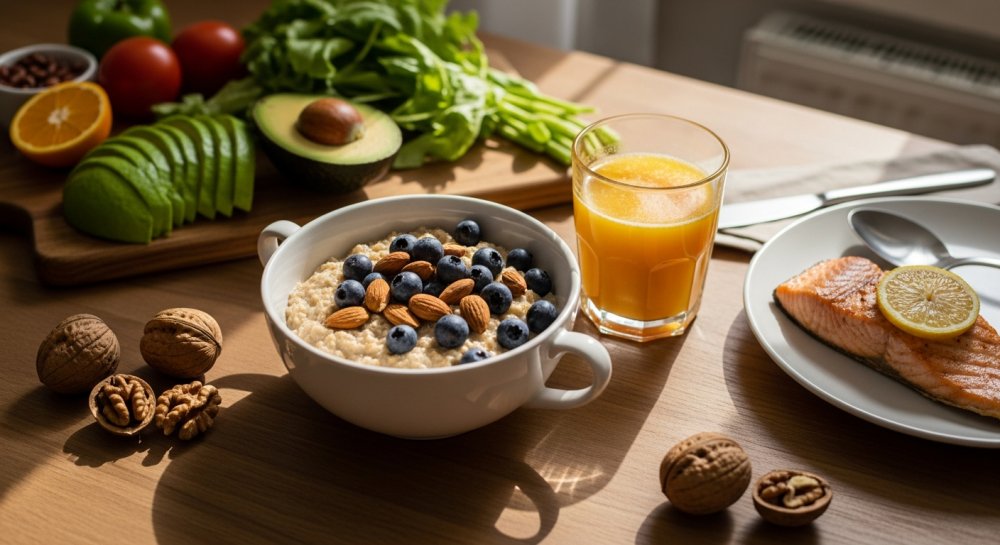
Foods particularly rich in soluble fiber include oats, barley, beans, lentils, apples, and citrus fruits. Studies show that consuming 5 to 10 grams of soluble fiber daily can reduce LDL cholesterol by approximately 5 percent. A bowl of oatmeal provides about 3 grams, while a half-cup of cooked black beans offers nearly 2 grams.
Embrace Regular Aerobic Exercise
Physical activity delivers multiple cardiovascular benefits beyond weight management. Moderate-intensity aerobic exercise—such as brisk walking, swimming, or cycling—helps raise HDL cholesterol, the beneficial type that transports excess cholesterol away from arteries.
The American Heart Association recommends at least 150 minutes of moderate aerobic activity weekly. Research demonstrates that this level of exercise can increase HDL levels by up to 5 percent while simultaneously reducing triglycerides and LDL cholesterol. The benefits accumulate even when exercise is broken into shorter sessions throughout the day.
Add Plant Sterols and Stanols
These naturally occurring compounds, found in vegetables, fruits, nuts, and seeds, have a molecular structure similar to cholesterol. When consumed, they compete with cholesterol for absorption in the digestive tract, effectively blocking cholesterol uptake.
Consuming 2 grams of plant sterols daily can lower LDL cholesterol by 5 to 15 percent. Many food manufacturers now fortify products like margarine, orange juice, and yogurt with these compounds. Dr. Mitchell points out that this approach is particularly valuable for individuals who need additional cholesterol-lowering support beyond diet and exercise alone.
Incorporate Omega-3 Fatty Acids
Fatty fish such as salmon, mackerel, sardines, and herring contain omega-3 fatty acids that primarily lower triglycerides while providing anti-inflammatory benefits for blood vessels. The American Heart Association recommends eating fatty fish at least twice weekly.
For those who don’t consume fish, plant-based sources include flaxseeds, chia seeds, and walnuts, though they contain a different form of omega-3 that the body must convert. Fish oil supplements offer an alternative, but whole food sources provide additional nutrients and fewer concerns about quality control.
Maintain a Healthy Weight
Excess weight contributes to higher LDL cholesterol and lower HDL cholesterol. Even modest weight loss—5 to 10 percent of body weight—can produce meaningful improvements in cholesterol levels and overall cardiovascular risk.
Weight management works synergistically with other lifestyle changes. As individuals increase fiber intake and exercise regularly, weight loss often follows naturally. This creates a positive feedback loop where multiple health markers improve simultaneously.
Limit Saturated and Trans Fats
Dietary fats directly influence cholesterol production in the liver. Saturated fats, found primarily in red meat, full-fat dairy products, and tropical oils, raise LDL cholesterol. Trans fats, present in many processed foods despite recent regulatory restrictions, both raise LDL and lower HDL cholesterol.
Replacing saturated fats with unsaturated fats—found in olive oil, avocados, and nuts—can reduce LDL cholesterol by 5 to 10 percent. Reading nutrition labels remains essential, as trans fats may still appear in baked goods and fried foods under the term “partially hydrogenated oils.”
Consider Whey Protein
Dairy-derived whey protein supplements have shown promise in clinical studies for lowering both LDL and total cholesterol. Research suggests that whey protein may work by reducing cholesterol synthesis in the liver and improving insulin sensitivity.
A typical effective dose ranges from 20 to 30 grams daily. While more research is needed to fully understand the mechanisms, current evidence supports whey protein as a safe adjunct to other cholesterol-lowering strategies, particularly for individuals already consuming protein supplements for fitness purposes.
Reduce Stress Through Mindfulness
Chronic stress affects cholesterol through multiple pathways, including increased cortisol production and stress-eating behaviors. Research indicates that stress management techniques such as meditation, yoga, and deep breathing exercises can modestly improve cholesterol profiles.
Dr. Mitchell emphasizes the interconnected nature of cardiovascular health.
“When patients manage stress effectively, they’re more likely to maintain other healthy habits. They sleep better, make wiser food choices, and stay consistent with exercise. It’s all connected.”
While these natural approaches offer substantial benefits, they work best as part of a comprehensive cardiovascular health strategy. Individuals with significantly elevated cholesterol or additional risk factors should work closely with their healthcare providers to determine whether medication is necessary alongside lifestyle modifications.
Regular monitoring through blood tests helps track progress and adjust strategies as needed. Most people see measurable improvements within three months of implementing consistent lifestyle changes, though optimal results may take six months or longer to achieve.
