Nutrition
These Everyday Foods Could Strengthen Your Body’s Defenses

Health Points
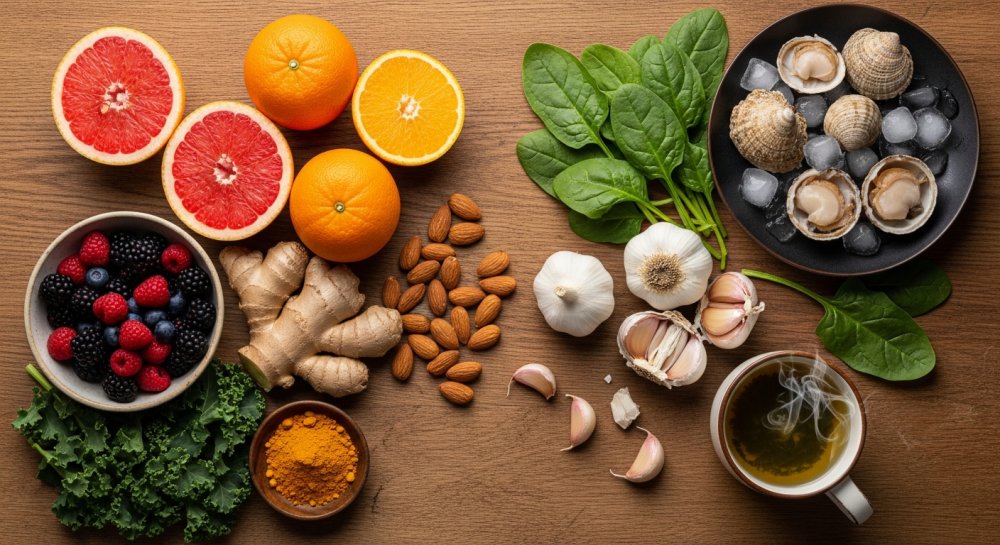
- Citrus fruits, berries, and leafy greens provide essential vitamins that support immune function
- Fermented foods like yogurt and kimchi promote gut health, which plays a critical role in immunity
- Incorporating nuts, seeds, and lean proteins helps maintain the body’s natural defense mechanisms
As we age, maintaining a robust immune system becomes increasingly important for overall health and vitality. While no single food can prevent illness, incorporating certain nutrient-rich options into your daily diet can support your body’s natural defenses.
Recent nutritional research confirms what many health-conscious Americans over 40 already suspect: the foods we choose matter. A balanced approach to eating, centered on whole foods rather than supplements, offers the most reliable path to immune support.
Citrus Fruits Pack a Vitamin C Punch
Oranges, grapefruits, lemons, and limes have long been associated with immune health for good reason. These fruits deliver high levels of vitamin C, which supports the production of white blood cells—the body’s primary defense against infection.
Unlike many animals, humans cannot produce vitamin C naturally, making dietary intake essential. Most adults need between 75 and 90 milligrams daily, an amount easily achieved through one medium orange or half a grapefruit.
Berries Offer Antioxidant Protection
Blueberries, strawberries, and raspberries contain powerful antioxidants called flavonoids, which help protect cells from damage. Studies suggest that regular berry consumption may reduce inflammation and support respiratory health, particularly important as we age.
Fresh or frozen varieties provide similar nutritional benefits, making these fruits accessible year-round. Adding a half-cup serving to morning yogurt or oatmeal creates an effortless immune-supporting breakfast.
Leafy Greens Provide Multiple Benefits
Spinach, kale, and Swiss chard deliver a combination of vitamins A, C, and E, along with numerous antioxidants and beta-carotene. These nutrients work together to enhance the infection-fighting capability of our immune systems.
Cooking these greens lightly helps release their full nutritional potential while making them easier to digest. A simple sauté with garlic—itself an immune-supporting food—creates a powerful combination.
Yogurt and Fermented Foods Support Gut Health
Approximately 70 percent of the immune system resides in the gut, making digestive health inseparable from immune function. Yogurt with live and active cultures, along with fermented options like kimchi, sauerkraut, and kefir, introduce beneficial bacteria that support this connection.
Look for yogurt labeled with “live and active cultures” rather than products loaded with added sugars. Plain varieties allow you to control sweetness while maximizing probiotic benefits.
Garlic Contains Immune-Enhancing Compounds
This kitchen staple has been valued for its medicinal properties across cultures for thousands of years. Garlic contains allicin and other sulfur-containing compounds that appear to boost the disease-fighting response of certain white blood cells.
Fresh garlic offers the most potent benefits. Crushing or chopping cloves and letting them sit for a few minutes before cooking activates these beneficial compounds.
Ginger Reduces Inflammation
Long used in traditional medicine, ginger contains gingerol, a bioactive compound with anti-inflammatory and antioxidant effects. These properties may help reduce chronic inflammation, which can compromise immune function over time.
Fresh ginger tea, made by steeping sliced ginger root in hot water, provides a soothing way to incorporate this root into your routine. It also adds distinctive flavor to stir-fries and soups.
Almonds Deliver Vitamin E
While vitamin C often receives the spotlight, vitamin E plays an equally important role in maintaining immune health. This fat-soluble vitamin requires the presence of fat to be properly absorbed, making almonds an ideal source.
A half-cup serving of almonds provides nearly 100 percent of the recommended daily amount of vitamin E. Other excellent sources include sunflower seeds and hazelnuts.
Turmeric Offers Anti-Inflammatory Properties
This golden spice contains curcumin, a compound with demonstrated anti-inflammatory effects. Research suggests curcumin may help modulate the immune system, though absorption improves significantly when consumed with black pepper.
Golden milk, made by warming milk with turmeric, black pepper, and honey, has become increasingly popular as an evening beverage. The combination enhances both flavor and nutrient absorption.
Green Tea Provides Antioxidants
Rich in flavonoids, green tea also contains epigallocatechin gallate (EGCG), a powerful antioxidant. Studies indicate EGCG may enhance immune function, and green tea also contains the amino acid L-theanine, which may aid in the production of germ-fighting compounds in immune cells.
Brewing green tea at slightly lower temperatures—around 160-170°F—preserves more of its beneficial compounds. Steeping for two to three minutes provides optimal flavor and health benefits.
Shellfish Supplies Critical Zinc
While not typically considered an immune food, certain shellfish varieties are loaded with zinc, a mineral essential for immune cell function. Crab, clams, lobster, and mussels all provide significant zinc content.
Zinc deficiency is relatively common in older adults and can impair immune function. However, too much zinc can actually inhibit immune function, so moderation remains important—adult men need 11 milligrams daily, while women need 8 milligrams.
Poultry Offers Vitamin B-6
Chicken and turkey are high in vitamin B-6, which plays a vital role in many chemical reactions that occur in the immune system. Six ounces of light turkey or chicken meat contains nearly one-third of the recommended daily amount.
Bone broth made from chicken or turkey bones contains gelatin, chondroitin, and other nutrients that support gut health and immunity. Simmering bones for several hours extracts these beneficial compounds.
A Balanced Approach to Immune Health
No single food can protect against illness, and a varied diet remains the cornerstone of immune support. These foods work best as part of an overall healthy lifestyle that includes adequate sleep, regular physical activity, stress management, and staying up to date with recommended health screenings.
For those over 40, focusing on nutrient-dense whole foods rather than supplements offers the most reliable path to supporting immune function. When incorporated regularly into meals, these foods provide the building blocks your body needs to maintain its natural defenses.
As always, consult with your healthcare provider before making significant dietary changes, especially if you have existing health conditions or take medications that may interact with certain foods.
