Movement
What Your Body Really Needs During That Time of the Month

Health Points
- Physical activity during menstruation can reduce cramps, improve mood, and boost energy levels naturally
- Adjusting workout intensity based on your cycle’s hormonal changes supports better performance and recovery
- Low-impact exercises like walking, yoga, and swimming offer the most comfort during menstrual flow
For decades, women were told to avoid exercise during their periods. But modern research reveals that staying active during menstruation can actually ease discomfort and support overall wellness — when approached thoughtfully.
The menstrual cycle brings natural hormonal fluctuations that affect energy, strength, and endurance. Understanding these changes helps women make informed choices about physical activity throughout the month.
During menstruation, estrogen and progesterone levels drop to their lowest points. This hormonal shift can cause fatigue, cramping, and mood changes. Yet movement often provides relief from these very symptoms.
Exercise triggers the release of endorphins — the body’s natural pain relievers. These compounds can reduce menstrual cramping and improve emotional wellbeing. Light to moderate activity also increases blood circulation, which may ease pelvic discomfort.
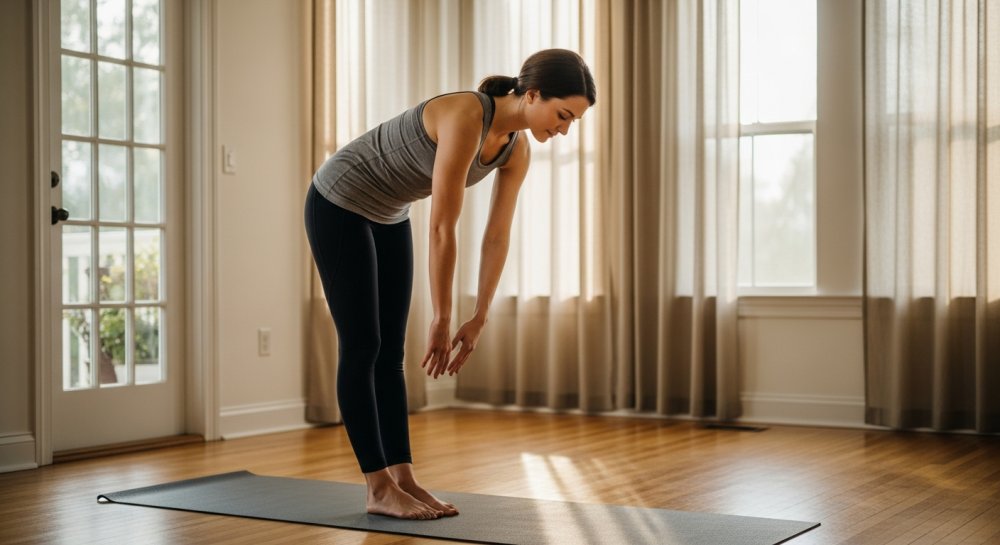
Many women find their bodies respond best to gentler workouts during the first few days of their cycle. Walking, stretching, and yoga allow continued movement without overtaxing the system. Swimming offers buoyancy that reduces pressure on the abdomen.
As menstruation progresses and hormones begin to rise again, energy levels typically improve. This natural pattern suggests a flexible approach: honoring fatigue when it appears while remaining open to activity when energy allows.
The follicular phase — the two weeks following menstruation — brings rising estrogen levels. This hormonal environment supports muscle building and cardiovascular performance. Women often experience their strongest workouts during this window.
Strength training, high-intensity intervals, and challenging cardio sessions align well with the body’s enhanced recovery capacity during the follicular phase. The body efficiently repairs muscle tissue and builds endurance when estrogen peaks.
After ovulation, the luteal phase begins. Progesterone rises while estrogen remains elevated. This combination can increase body temperature slightly and may affect perceived exertion during exercise. Workouts that felt comfortable earlier in the cycle might seem more challenging.
Adjusting expectations during the luteal phase helps prevent frustration. Maintaining regular activity matters more than hitting personal records. Consistency supports metabolic health and emotional balance throughout the cycle.
Some women experience heavier flow or more severe cramping that genuinely limits activity. Rest becomes the appropriate choice when symptoms significantly impair comfort or function. Listening to the body’s signals reflects wisdom, not weakness.
Iron levels deserve attention for women with heavy menstrual bleeding. Menstruation causes temporary iron loss, and intense exercise increases iron demands. Adequate dietary iron — from sources like lean meat, beans, and leafy greens — supports both menstrual health and athletic performance.
Hydration needs may increase slightly during menstruation. Proper fluid intake helps regulate body temperature and supports circulation. Women should drink water consistently throughout the day, especially when exercising.
Clothing choices can enhance comfort during period workouts. Moisture-wicking fabrics prevent chafing and keep skin dry. Well-fitted athletic wear provides security and confidence during movement.
Menstrual products designed for active lifestyles offer protection during exercise. Tampons, menstrual cups, and period-proof athletic underwear allow full range of motion without worry. Finding the right option may require experimentation.
Birth control that alters or eliminates menstruation changes the hormonal landscape entirely. Women using these methods don’t experience the same cyclical patterns in performance and energy. They can maintain consistent training intensity year-round.
Tracking menstrual symptoms alongside workout performance reveals personal patterns. Some women discover they excel at different activities during different cycle phases. This knowledge enables strategic planning for competitions and challenging workouts.
Cultural attitudes toward menstruation have shifted dramatically. Female athletes now openly discuss cycle management as part of training strategy. This transparency helps younger women understand that menstruation needn’t limit physical achievement.
The key lies in personalization rather than rigid rules. What works for one woman may not suit another. Building awareness of individual patterns empowers women to make choices that support both fitness goals and bodily comfort.
Movement remains beneficial throughout the menstrual cycle when approached with flexibility and self-compassion. Exercise supports hormonal balance, reduces stress, and maintains strength — all valuable at every phase of life.
Women over 40 navigating perimenopause face additional cycle unpredictability. Irregular periods and fluctuating hormones require even greater adaptability. The same principles apply: move when possible, rest when necessary, and honor the body’s changing needs.
Staying active during menstruation reflects a broader commitment to lifelong wellness. Physical activity supports cardiovascular health, bone density, and metabolic function — benefits that compound over decades. Maintaining movement through all cycle phases builds resilience and vitality for the years ahead.
