Nutrition
The Surprising Flower That Could Transform Your Health This Spring

Health Points
- Elderflower has been used for centuries in traditional medicine to support immune function and respiratory health
- Research suggests elderflower may help reduce inflammation and provide antioxidant protection throughout the body
- The delicate white blossoms can be enjoyed as tea, syrup, or supplement when properly prepared
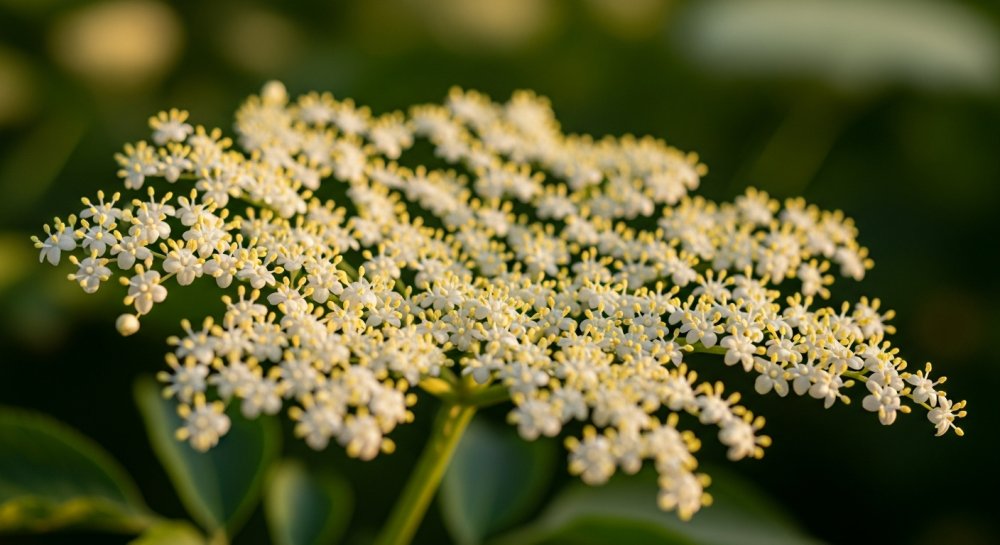
As spring arrives and gardens begin to bloom, one unassuming flower is catching the attention of health-conscious Americans looking for natural wellness solutions. Elderflower, the fragrant white blossom of the Sambucus nigra plant, has been a staple in European folk medicine for generations—and modern research is beginning to validate what traditional healers have long understood.
The elderflower comes from the same plant that produces elderberries, which have gained significant popularity in recent years for immune support. But while elderberries get most of the attention, the delicate cream-colored flowers offer their own impressive array of health benefits that deserve recognition.
These aromatic blossoms contain powerful plant compounds called flavonoids, which act as antioxidants in the body. Antioxidants help protect cells from damage caused by unstable molecules known as free radicals, which contribute to aging and various health concerns. The specific flavonoids in elderflower include quercetin and rutin, both studied for their potential to support cardiovascular and immune health.
One of the most well-established traditional uses of elderflower is for respiratory support. For centuries, herbalists have recommended elderflower tea to help ease symptoms of seasonal colds and support the body’s natural defenses. The flowers contain compounds that may help reduce inflammation in the respiratory tract and support healthy mucous membrane function.
Research published in recent years has examined elderflower’s anti-inflammatory properties more closely. Inflammation is at the root of many chronic health conditions, and finding natural ways to support the body’s inflammatory response has become a priority for many people over 40. Studies suggest that elderflower extracts may help modulate inflammatory pathways, though more research is needed to fully understand the mechanisms involved.
The flowers also demonstrate antimicrobial properties in laboratory studies, showing activity against certain bacteria and viruses. While this doesn’t mean elderflower can cure infections, it does suggest potential value as part of a comprehensive approach to supporting immune health, particularly during cold and flu season.
Beyond immune and respiratory support, elderflower has traditionally been used to support healthy skin. The same antioxidant and anti-inflammatory properties that benefit internal health may also contribute to skin health when applied topically. Some natural skincare products now incorporate elderflower extract for its soothing and protective qualities.
For those interested in trying elderflower, there are several options available. Elderflower tea is perhaps the most traditional and accessible form—simply steeping dried elderflowers in hot water creates a pleasant, slightly sweet beverage. Elderflower syrup, popular in European countries, can be added to beverages or used in recipes. Elderflower supplements and extracts are also available, though it’s important to choose products from reputable manufacturers.
Safety considerations are important when exploring any herbal remedy. While elderflower is generally recognized as safe when properly prepared, the raw flowers and other parts of the elder plant contain compounds that should not be consumed in large quantities. Commercially prepared elderflower products have been processed appropriately and are considered safe for most people.
Pregnant and nursing women should consult their healthcare provider before using elderflower products, as should anyone taking medications or managing chronic health conditions. As with any supplement or herbal remedy, it’s wise to discuss new additions to your wellness routine with a qualified healthcare professional.
The growing interest in elderflower reflects a broader trend toward natural, plant-based approaches to health and wellness. Many Americans, particularly those in midlife and beyond, are seeking alternatives to synthetic products and looking to traditional wisdom for guidance. Elderflower represents a bridge between old-world herbal knowledge and modern scientific investigation.
As research continues, we may discover even more benefits of this humble flower. For now, elderflower stands as a gentle, time-tested option for those looking to support their health naturally. Whether enjoyed as a soothing cup of tea on a spring afternoon or incorporated into a daily wellness routine, elderflower offers a connection to nature’s pharmacy that has served humanity well for countless generations.
For anyone over 40 focused on maintaining vitality and supporting overall wellness, elderflower is worth exploring as part of a balanced, health-conscious lifestyle. As always, the best approach to health combines traditional wisdom with modern medical care, proper nutrition, regular physical activity, and the guidance of trusted healthcare professionals.
