Nutrition
Seven Fruits That Could Help Keep Your Blood Pressure in Check

Health Points
- Potassium helps regulate blood pressure by balancing sodium levels and relaxing blood vessel walls
- Most Americans consume less than half the recommended 4,700 mg of daily potassium
- Adding potassium-rich fruits to your diet may reduce stroke risk and support heart health
For anyone concerned about maintaining healthy blood pressure as they age, the answer might be simpler than expected—and more delicious. Recent nutritional research points to potassium as a crucial mineral for cardiovascular health, and certain fruits pack an impressive amount of this essential nutrient.
Potassium works behind the scenes in remarkable ways. It helps the body eliminate excess sodium through urine while simultaneously relaxing blood vessel walls, creating a one-two punch against high blood pressure.
The numbers tell a concerning story: most Americans fall dramatically short of the recommended 4,700 milligrams of potassium per day. This shortfall may be contributing to the nation’s ongoing struggles with heart disease and stroke.
Registered dietitians emphasize that incorporating potassium-rich fruits doesn’t require a complete dietary overhaul. Small, consistent additions can make a meaningful difference over time.
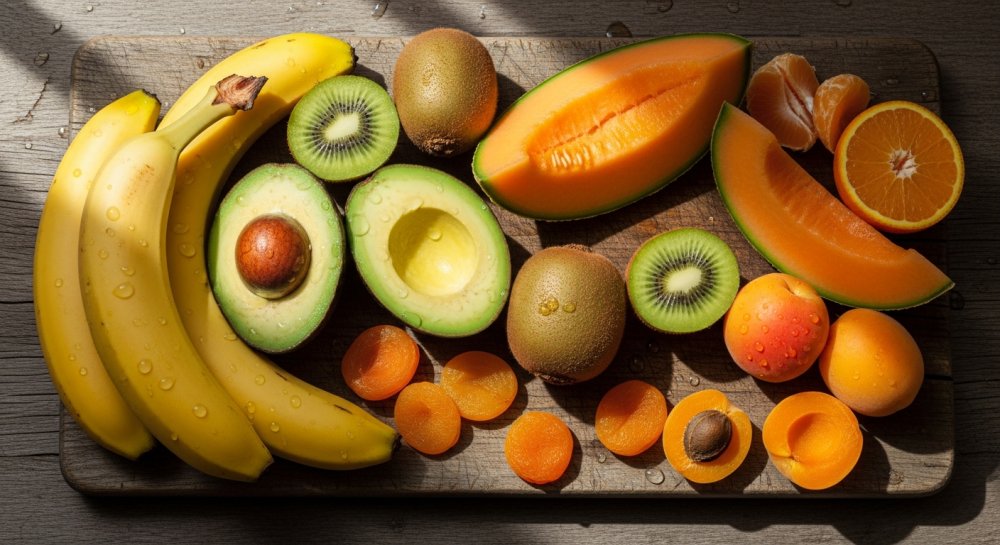
Bananas lead the pack as perhaps the most recognized potassium source. A medium banana delivers approximately 422 milligrams of potassium along with valuable fiber and natural sweetness that satisfies cravings without added sugars.
Avocados offer even more impressive numbers. A whole avocado contains roughly 975 milligrams of potassium—nearly one-quarter of the daily recommendation.
This creamy fruit also provides heart-healthy monounsaturated fats that complement its mineral content.
Cantaloupe deserves recognition beyond its role as a summer picnic staple. One cup of diced cantaloupe provides about 427 milligrams of potassium while delivering high levels of vitamins A and C.
Dried fruits concentrate their nutritional benefits, making them potassium powerhouses in small packages. A half-cup of dried apricots contains approximately 1,101 milligrams of potassium.
Prunes offer similar benefits, with a half-cup providing around 699 milligrams.
Fresh apricots shouldn’t be overlooked either. Two small apricots contribute about 181 milligrams of potassium along with fiber and antioxidants that support overall health.
Kiwi fruit punches above its weight class nutritionally. Two medium kiwifruits deliver approximately 215 milligrams of potassium and exceed the daily vitamin C requirement.
Oranges and orange juice both provide solid potassium content. A medium orange contains about 237 milligrams, while a cup of orange juice offers approximately 496 milligrams.
Health experts caution that while increasing potassium intake benefits most people, those with kidney disease or taking certain medications should consult their healthcare provider before making significant dietary changes. The kidneys regulate potassium levels, and impaired kidney function can lead to dangerous accumulation.
For individuals taking blood pressure medications, particularly ACE inhibitors or potassium-sparing diuretics, medical supervision is essential when adjusting potassium intake.
The traditional American diet tends to be high in sodium and low in potassium—the opposite of what our bodies need for optimal blood pressure control. This imbalance contributes to the widespread prevalence of hypertension among adults over 40.
Making room for these potassium-rich fruits doesn’t require dramatic lifestyle changes. Simple substitutions work effectively: adding banana slices to morning oatmeal, choosing fresh fruit over processed snacks, or including avocado in sandwiches and salads.
The cardiovascular benefits extend beyond blood pressure alone. Adequate potassium intake has been associated with reduced stroke risk, better bone health, and improved muscle function.
As with most nutritional strategies, consistency matters more than perfection. Building sustainable habits around fruit consumption creates lasting benefits that compound over time.
For those committed to supporting their heart health through diet, these seven fruits offer an accessible, enjoyable starting point that aligns with both scientific evidence and practical meal planning.
