Nutrition
The Purple Root Vegetable That Could Revolutionize Your Health

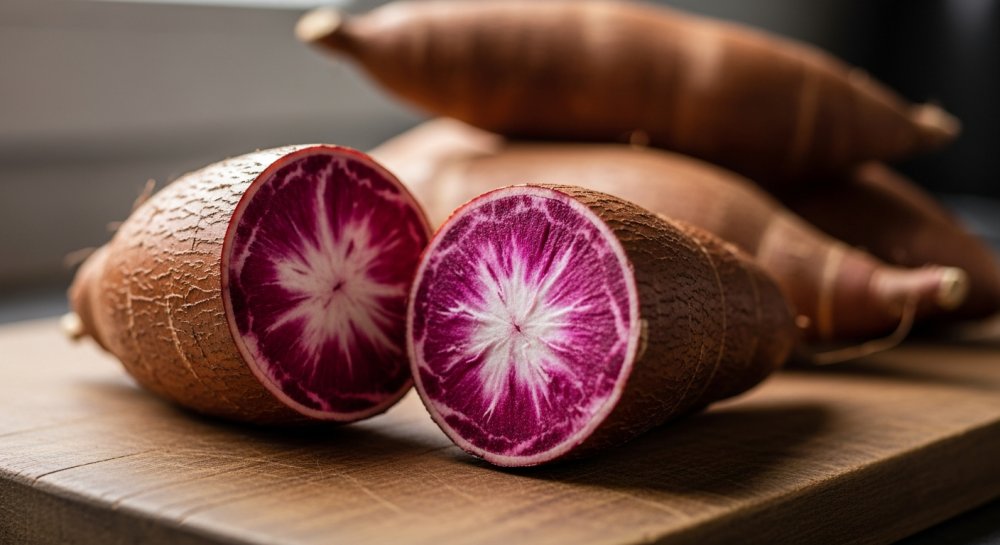
Health Points
- Cassava provides resistant starch that supports digestive health and blood sugar regulation
- Purple-fleshed varieties contain anthocyanins with powerful anti-inflammatory properties
- Raw cassava contains cyanogenic compounds that require proper preparation to neutralize
A starchy root vegetable gaining attention in American kitchens may offer surprising benefits for those navigating the health challenges of middle age and beyond. Cassava, particularly its vibrant purple-fleshed varieties, contains unique compounds that researchers are linking to improved metabolic health and reduced inflammation.
The tuberous root, consumed by millions worldwide as a dietary staple, provides a form of carbohydrate that behaves differently in the body than typical starches. Its resistant starch content passes through the digestive system largely intact, feeding beneficial gut bacteria rather than spiking blood sugar levels—a property of particular interest for adults managing weight or metabolic concerns.
“Purple-fleshed cassava contains anthocyanins, the same antioxidant compounds found in blueberries and red cabbage,” explains nutritional biochemistry research. “These plant pigments demonstrate anti-inflammatory activity that may benefit cardiovascular and cellular health.”
The vegetable’s nutrient profile extends beyond its colorful compounds. A single cup of cooked cassava delivers substantial vitamin C, supporting immune function and collagen production. Its mineral content includes manganese, copper, and magnesium—nutrients often undersupplied in modern American diets.
For individuals following grain-free or specialized diets, cassava flour has emerged as a versatile alternative to wheat-based products. Unlike many gluten-free substitutes that rely on refined starches, cassava-based products retain fiber content that supports digestive regularity and satiety.
The resistant starch in cassava produces another metabolic advantage: it promotes the production of short-chain fatty acids in the colon. These compounds, particularly butyrate, serve as fuel for intestinal cells and may strengthen the gut barrier—a function increasingly recognized for its role in overall immune health and inflammation control.
However, cassava requires informed preparation. The raw root contains cyanogenic glycosides, naturally occurring compounds that can release toxic cyanide when consumed improperly. Traditional preparation methods developed over centuries—including soaking, fermenting, and thorough cooking—effectively neutralize these compounds.
“Proper processing is non-negotiable,” food safety experts emphasize. “Commercial cassava products sold in American markets undergo appropriate treatment, but those preparing fresh cassava should never consume it raw and must ensure complete cooking.”
The concentration of these compounds varies by cassava variety. Sweet cassava varieties, most commonly available in U.S. grocery stores, contain lower levels than bitter varieties used primarily for industrial starch production. Peeling removes a significant portion of the cyanogenic content, which concentrates in the outer layers and core.
Individuals with thyroid conditions should approach cassava with additional caution. The cyanogenic compounds can interfere with iodine absorption, potentially affecting thyroid function when consumed in large quantities. Those with existing thyroid disorders should consult healthcare providers before making cassava a dietary staple.
The root’s high starch content also presents considerations for blood sugar management. While resistant starch offers benefits, the digestible carbohydrate portion can still affect glucose levels. Adults managing diabetes or insulin resistance should incorporate cassava mindfully within their overall carbohydrate targets rather than treating it as a “free” food.
Nutritional comparison reveals cassava’s trade-offs. It provides more calories than potatoes but delivers superior vitamin C content. Its protein content remains minimal—approximately 2 grams per cup—making it unsuitable as a primary protein source. The vegetable contributes valuable minerals but lacks the broad micronutrient density of leafy greens or cruciferous vegetables.
For families seeking to diversify their vegetable intake, cassava offers culinary flexibility. Its mild, slightly sweet flavor and starchy texture adapt well to both savory and sweet preparations. Boiled cassava can substitute for potatoes in traditional comfort foods, while cassava flour enables grain-free baking that maintains familiar textures.
The growing availability of cassava products reflects broader consumer interest in traditional foods from diverse culinary traditions. What sustained populations across Africa, Asia, and Latin America for generations now enters mainstream American nutrition conversations as research validates long-held traditional knowledge about its health properties.
Selection and storage practices maximize cassava’s benefits while minimizing risks. Fresh cassava should feel firm without soft spots, and any blue or gray discoloration indicates improper storage and potential toxin development. Once cut, cassava deteriorates rapidly and should be cooked within days. Frozen cassava products offer convenience while maintaining nutritional value and safety.
The purple-fleshed varieties, while less common in conventional markets, appear increasingly in specialty stores and farmers markets. Their enhanced antioxidant content comes with the same preparation requirements as traditional white-fleshed cassava—thorough cooking remains essential regardless of variety.
For health-conscious consumers over 40, cassava represents neither superfood miracle nor dietary hazard, but rather a traditional staple that offers specific benefits when prepared properly and consumed as part of a varied diet. Its resistant starch and antioxidant content provide legitimate metabolic advantages, while its cyanogenic compounds demand respect for proper preparation methods.
As with many traditional foods gaining contemporary attention, cassava’s value emerges not from isolated compounds or exaggerated claims, but from its role in diverse, whole-food eating patterns that honor both nutritional science and culinary heritage. Understanding both its benefits and its requirements allows informed incorporation into modern American kitchens.
