Nutrition
20 Foods That Could Help Your Body Fight Inflammation Naturally

Health Points
- Chronic inflammation has been linked to heart disease, diabetes, arthritis, and cognitive decline in people over 40
- Specific foods rich in omega-3s, antioxidants, and polyphenols may help reduce inflammatory markers in the body
- A Mediterranean-style eating pattern incorporating these anti-inflammatory foods shows promise for long-term health benefits
For Americans over 40, understanding inflammation has become increasingly important for maintaining health and vitality. While acute inflammation helps the body heal from injuries, chronic inflammation can silently contribute to serious health conditions including heart disease, type 2 diabetes, and joint problems.
The good news? Research suggests that what we eat can significantly influence our body’s inflammatory response. Certain whole foods contain powerful compounds that may help calm chronic inflammation naturally.
Fatty Fish Lead the Pack
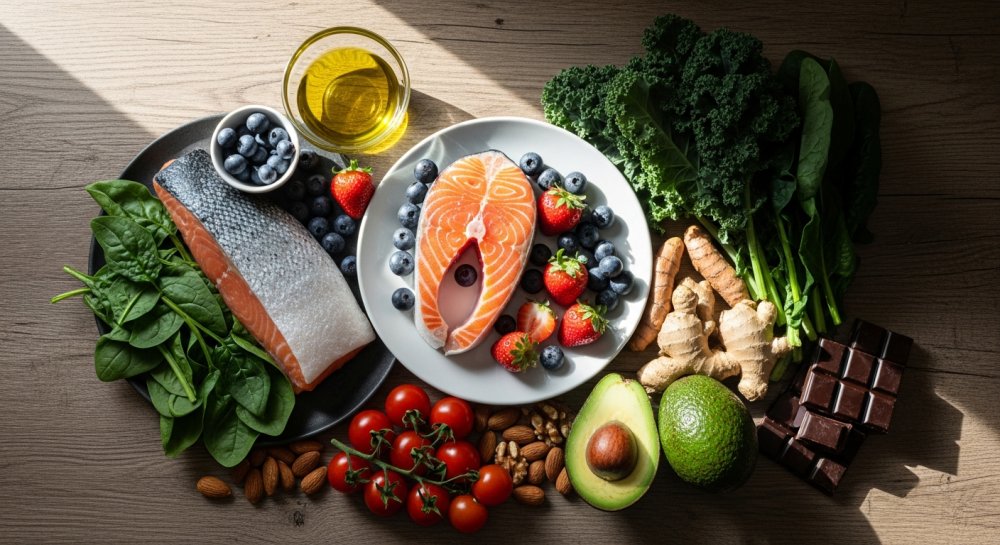
Wild-caught salmon, mackerel, sardines, and anchovies top the list of anti-inflammatory powerhouses. These fish are rich in omega-3 fatty acids—specifically EPA and DHA—which studies have shown can reduce inflammatory markers in the blood. Health experts recommend consuming fatty fish at least twice weekly for optimal benefits.
Tuna and herring also provide substantial omega-3 content, making them excellent choices for those looking to support their body’s natural anti-inflammatory processes.
Colorful Berries Pack Antioxidant Punch
Blueberries, strawberries, blackberries, and raspberries contain anthocyanins—antioxidants that give these fruits their vibrant colors and may help reduce inflammation. Research indicates that regular berry consumption is associated with lower levels of inflammatory markers and improved cognitive function in older adults.
Fresh or frozen, these berries retain their beneficial compounds and can easily be incorporated into breakfast routines or afternoon snacks.
Leafy Greens and Cruciferous Vegetables
Spinach, kale, and collard greens are loaded with vitamins, minerals, and antioxidants that combat oxidative stress—a key driver of inflammation. These nutrient-dense greens contain kaempferol, an antioxidant that has demonstrated anti-inflammatory properties in scientific studies.
Broccoli deserves special mention for its sulforaphane content, a compound that research suggests may help decrease inflammation at the cellular level. Brussels sprouts and cauliflower offer similar benefits.
Healing Spices and Healthy Fats
Turmeric has gained considerable attention for curcumin, its active compound with potent anti-inflammatory effects. Many health practitioners now recommend pairing turmeric with black pepper, which enhances curcumin absorption by up to 2,000 percent. Ginger, another warming spice, has been used for centuries to reduce inflammation and may be particularly helpful for joint discomfort.
Extra virgin olive oil stands out among cooking fats for its oleocanthal content, a natural compound that functions similarly to anti-inflammatory medications but without the side effects. Walnuts and almonds provide both healthy fats and antioxidants that support the body’s anti-inflammatory systems.
Surprising Plant-Based Options
Tomatoes are rich in lycopene, a powerful antioxidant that becomes more bioavailable when tomatoes are cooked. Green tea contains EGCG, a catechin with strong anti-inflammatory and antioxidant properties that research has linked to reduced disease risk.
Dark chocolate (with at least 70% cocoa content) offers flavonoids that may help keep inflammation in check—giving health-conscious adults a guilt-free indulgence. Cherries, particularly tart varieties, have shown promise in reducing inflammatory markers and may help with recovery after physical activity.
Grapes contain resveratrol, the same beneficial compound found in red wine, while avocados provide healthy monounsaturated fats along with anti-inflammatory carotenoids and tocopherols.
Building an Anti-Inflammatory Plate
The key to harnessing these foods’ benefits lies in consistent, varied consumption rather than relying on any single “superfood.” Many nutrition experts recommend a Mediterranean-style eating pattern that naturally emphasizes these anti-inflammatory options while limiting processed foods, refined sugars, and unhealthy fats that can promote inflammation.
For individuals over 40 looking to support their long-term health, incorporating a rainbow of these whole foods into daily meals represents a practical, research-backed approach. While no single food can prevent or cure disease, the cumulative effect of anti-inflammatory eating patterns shows genuine promise for supporting wellness as we age.
As always, those with specific health conditions or concerns should consult with their healthcare provider before making significant dietary changes, especially if taking medications that might interact with certain foods or supplements.
