Nutrition
The Purple Sweetener That Could Replace Your Sugar Habit

Health Points
- Stevia is a natural, zero-calorie sweetener that doesn’t raise blood sugar levels
- A new purple stevia variety contains antioxidants and may reduce blood sugar spikes when consumed with carbohydrates
- Some stevia products protect tooth enamel better than sugar while satisfying sweet cravings
For millions of Americans seeking to reduce sugar intake without sacrificing sweetness, a plant-based alternative has quietly gained ground in kitchens across the country. Stevia, derived from the leaves of the Stevia rebaudiana plant native to South America, offers a natural option that aligns with traditional approaches to health and wellness.
The sweetener has been used for centuries in Paraguay and Brazil, where indigenous communities recognized its properties long before modern science confirmed its benefits. Today, stevia stands as a testament to the wisdom of natural remedies that don’t require laboratory manipulation or artificial processing.
“Stevia is a natural sweetener that comes from the stevia plant,” explains registered dietitian nutritionist Wan Na Chun, MPH, RD. “It’s much sweeter than regular sugar but has zero calories and doesn’t raise blood sugar levels.”
Unlike artificial sweeteners that have raised health concerns over the years, stevia offers a plant-based solution that resonates with those who prefer traditional, natural approaches to nutrition. The sweetener is extracted from stevia leaves through a process that maintains its natural origins while concentrating its sweet compounds called steviol glycosides.
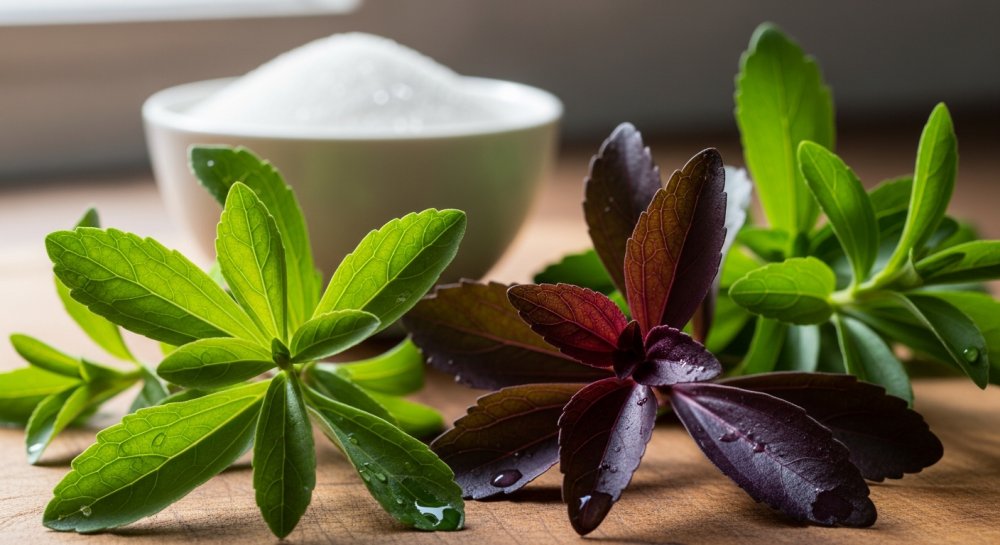
Researchers have recently developed a purple variety of stevia that contains anthocyanins, the same beneficial compounds found in blueberries and red cabbage. This innovation represents an enhancement of nature’s design rather than a departure from it, adding antioxidant properties to stevia’s existing benefits.
“Purple stevia is a new type that contains anthocyanins,” notes Chun. “These antioxidants may help reduce blood sugar spikes when you eat carbs, and they also give the stevia its purple color.”
For those concerned about maintaining stable blood sugar—a cornerstone of good health that becomes increasingly important with age—stevia presents a practical alternative. The body doesn’t metabolize stevia the way it processes sugar, meaning blood glucose levels remain steady after consumption.
This characteristic makes stevia particularly valuable for individuals managing diabetes or prediabetes, conditions affecting millions of Americans over 40. Rather than triggering the insulin response that sugar causes, stevia allows people to enjoy sweet flavors while supporting their health goals.
The dental benefits of stevia further distinguish it from sugar, which has long been recognized as a primary contributor to tooth decay. Studies indicate that stevia doesn’t feed the harmful bacteria in the mouth that produce enamel-eroding acids, offering protection for oral health.
Some research suggests stevia may even reduce plaque formation compared to sugar, though these findings require further investigation. For individuals committed to preserving their natural teeth throughout their lives, this represents another advantage of choosing traditional, plant-based options over processed alternatives.
“Unlike sugar, stevia doesn’t feed the bacteria in your mouth that cause cavities,” Chun states. “Some studies even suggest it might help reduce plaque compared to sugar.”
While stevia offers numerous benefits, consumers should approach product selection with discernment. Many commercial stevia products contain additional ingredients like sugar alcohols or other sweeteners that may diminish the natural advantages of pure stevia.
Reading labels carefully and choosing products with minimal additives ensures that families receive the full benefits of this natural sweetener. This vigilance reflects the broader principle that simpler, less processed foods generally serve health better than heavily manufactured alternatives.
The growing acceptance of stevia represents a return to natural wisdom in an era when many food products have strayed far from their original forms. For Americans seeking to reduce sugar consumption while maintaining the pleasures of sweet flavors, stevia offers a time-tested solution grounded in centuries of traditional use.
As research continues to reveal the health implications of excessive sugar consumption—from weight gain to increased disease risk—natural alternatives like stevia provide practical tools for those committed to protecting their health through informed dietary choices. The purple variety adds another dimension to these options, combining traditional benefits with modern nutritional science in a way that honors both heritage and innovation.
