Health
This Natural Supplement May Transform Your Mood and Sleep Quality

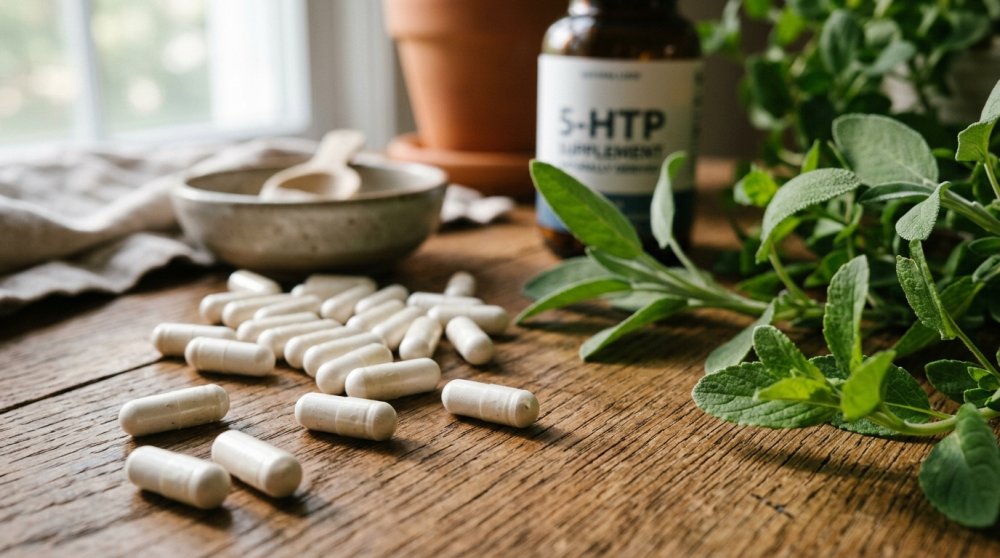
Health Points
- 5-HTP is a naturally occurring amino acid that helps produce serotonin, the brain chemical linked to mood, sleep, and appetite regulation
- Research suggests 5-HTP supplements may help improve symptoms of depression, reduce fibromyalgia pain, and support better sleep patterns
- Health experts recommend consulting with a doctor before starting 5-HTP, as it can interact with antidepressants and other medications
For adults navigating the challenges of midlife and beyond, finding natural ways to support mental and physical wellness becomes increasingly important. A lesser-known supplement called 5-HTP has been gaining attention in the health community for its potential to address several age-related concerns, from mood fluctuations to sleep difficulties.
5-Hydroxytryptophan, commonly shortened to 5-HTP, is an amino acid that our bodies produce naturally from tryptophan found in protein-rich foods. The compound serves as a building block for serotonin, a crucial brain chemical that influences how we feel, sleep, and even what we eat. When serotonin levels run low, it can contribute to depression, anxiety, and sleep disturbances—issues that become more common as we age.
Unlike tryptophan from food, which must compete with other amino acids to reach the brain, supplemental 5-HTP crosses the blood-brain barrier more efficiently. This makes it a potentially powerful tool for naturally boosting serotonin production.
Mood Support and Depression Relief
Multiple studies have examined 5-HTP’s impact on depression, with promising results. In clinical trials, participants taking 5-HTP reported significant improvements in depressive symptoms compared to those taking placebo. Some research has even suggested 5-HTP may work as effectively as certain prescription antidepressants for mild to moderate depression, though more extensive studies are needed to confirm these findings.
The supplement appears to work by increasing serotonin availability in the brain, which can help regulate mood and emotional responses. For older adults experiencing age-related mood changes or situational depression, 5-HTP offers a natural option worth discussing with healthcare providers.
Fibromyalgia Pain Management
Women over 40 are particularly susceptible to fibromyalgia, a chronic condition characterized by widespread pain, fatigue, and sleep problems. Emerging research indicates 5-HTP may provide meaningful relief for fibromyalgia sufferers.
Studies have found that people with fibromyalgia who took 5-HTP supplements experienced reductions in pain intensity, morning stiffness, and sleep disturbances. The compound’s ability to boost serotonin appears to help modulate pain perception and improve overall symptom management.
Sleep Quality Enhancement
As we age, quality sleep often becomes more elusive. Because serotonin converts to melatonin—the hormone that regulates sleep-wake cycles—5-HTP may support better sleep patterns. Research shows that 5-HTP supplementation can help reduce the time it takes to fall asleep and improve overall sleep quality, particularly when combined with other natural sleep aids like GABA.
For older adults struggling with insomnia or frequent nighttime awakenings, 5-HTP offers a gentler alternative to prescription sleep medications, which can carry significant side effects and dependency risks.
Appetite Control and Weight Management
Weight management becomes more challenging with age due to metabolic changes and hormonal shifts. Some studies suggest 5-HTP may help by increasing feelings of fullness and reducing carbohydrate cravings. Participants in weight loss studies who took 5-HTP reported eating fewer calories and experiencing greater satiety after meals.
This effect likely stems from serotonin’s role in appetite regulation. Higher serotonin levels signal the brain that the body has received adequate nutrition, potentially curbing overeating and emotional eating patterns.
Migraine Prevention
Preliminary research indicates 5-HTP may help reduce the frequency and severity of migraine headaches, which affect millions of Americans and tend to peak during middle age. While the exact mechanism remains under investigation, researchers believe the supplement’s influence on serotonin levels may help prevent the neurological changes that trigger migraines.
Safety Considerations and Interactions
While 5-HTP appears safe for most people when used appropriately, it’s not without risks. The most important safety concern involves serotonin syndrome—a potentially dangerous condition caused by excessive serotonin levels in the body.
People taking antidepressants, particularly selective serotonin reuptake inhibitors (SSRIs) or monoamine oxidase inhibitors (MAOIs), should never take 5-HTP without medical supervision. The combination can cause dangerously high serotonin levels, leading to symptoms ranging from confusion and rapid heart rate to severe complications requiring hospitalization.
Other medications that may interact with 5-HTP include certain pain medications, cough suppressants, and drugs used during surgery. Anyone taking prescription medications should consult their doctor before adding 5-HTP to their supplement regimen.
Common side effects of 5-HTP are generally mild and may include nausea, digestive discomfort, and drowsiness. Taking the supplement with food can help minimize stomach upset.
Dosage and Usage Guidelines
Typical 5-HTP dosages range from 50 to 300 milligrams daily, often divided into multiple doses. For depression and mood support, studies have used 150 to 300 milligrams daily. Sleep improvement may require 100 to 300 milligrams taken 30 to 45 minutes before bedtime.
Because 5-HTP isn’t regulated by the FDA as strictly as prescription medications, choosing high-quality supplements from reputable manufacturers is essential. Look for products that have been third-party tested for purity and potency.
Starting with a lower dose and gradually increasing allows the body to adjust and helps identify the minimum effective amount. This approach also reduces the likelihood of side effects.
Natural Food Sources
While 5-HTP supplements offer concentrated doses, supporting natural serotonin production through diet provides a complementary approach. Foods high in tryptophan—the amino acid precursor to 5-HTP—include turkey, chicken, eggs, cheese, nuts, seeds, and tofu.
Combining tryptophan-rich foods with complex carbohydrates helps facilitate tryptophan’s entry into the brain, naturally boosting serotonin production. This nutritional strategy, combined with regular exercise, adequate sleep, and stress management, forms the foundation of holistic wellness as we age.
For adults over 40 seeking natural approaches to support mood, sleep, pain management, and overall wellbeing, 5-HTP represents an evidence-based option worth considering. However, the importance of professional medical guidance cannot be overstated, particularly for those with existing health conditions or taking other medications. Working with a knowledgeable healthcare provider ensures safe, effective use of this promising supplement.
