Nutrition
The Surprising Daily Effect Beans Have on Your Heart and Weight

Health Points
- Eating beans regularly can significantly improve heart health by lowering cholesterol and reducing blood pressure
- Regular bean consumption supports healthy weight management through increased satiety and stable blood sugar levels
- Beans provide essential nutrients including fiber, protein, and key minerals that support overall wellness as we age
For those looking to make simple yet powerful changes to their diet after 40, beans might be the understated hero of heart health and weight management. This humble food group offers benefits that extend far beyond basic nutrition.
Research consistently shows that incorporating beans into your regular eating routine can create measurable improvements in cardiovascular health. The soluble fiber found in beans works to lower LDL cholesterol — often called “bad” cholesterol — while helping to regulate blood pressure levels.
“Beans are one of the most nutrient-dense foods available, providing a unique combination of plant-based protein and fiber that you don’t find together in many other foods,” explains registered dietitian Sharon Palmer, author of The Plant-Powered Diet.
The fiber content in beans serves double duty for those managing their weight. A single cup of black beans contains approximately 15 grams of fiber, which promotes feelings of fullness and helps prevent overeating. This same fiber also slows the absorption of sugar into the bloodstream, preventing the energy crashes that can lead to unhealthy snacking.
Beyond heart health and weight management, beans deliver essential minerals including iron, magnesium, and potassium. These nutrients become increasingly important as we age, supporting everything from bone health to muscle function.
“The protein in beans makes them an excellent choice for maintaining muscle mass, which naturally declines after age 40,” notes Palmer.
For those concerned about digestive discomfort, experts recommend starting slowly. Begin with smaller portions and gradually increase intake over several weeks, allowing your digestive system to adapt. Rinsing canned beans thoroughly can also reduce compounds that cause gas.
The versatility of beans makes them easy to incorporate into daily meals. Add them to soups, salads, or grain bowls. Blend them into dips or spreads. Use them as a base for veggie burgers or tacos.
Studies suggest that consuming just half a cup of beans daily can lead to noticeable health improvements within weeks. The key is consistency — making beans a regular part of your eating pattern rather than an occasional addition.
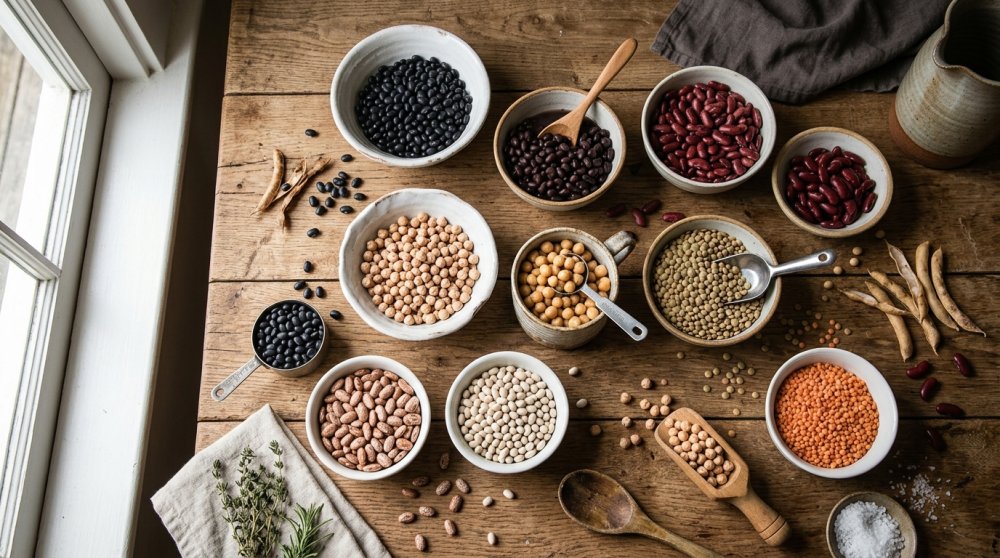
For maximum benefit, choose a variety of beans throughout the week. Black beans, kidney beans, chickpeas, lentils, and white beans each offer slightly different nutrient profiles, ensuring you receive a broad spectrum of health-supporting compounds.
“Think of beans as a long-term investment in your health,” Palmer adds. “The benefits accumulate over time, supporting your body’s needs as you age.”
Whether you’re focused on heart health, weight management, or simply eating more whole foods, beans offer an accessible and affordable way to support your wellness goals. Their combination of protein, fiber, and essential nutrients makes them particularly valuable for those navigating the nutritional needs of midlife and beyond.
