Nutrition
The Simple Trick Grocery Experts Use to Pick the Sweetest Watermelon Every Time

Health Points
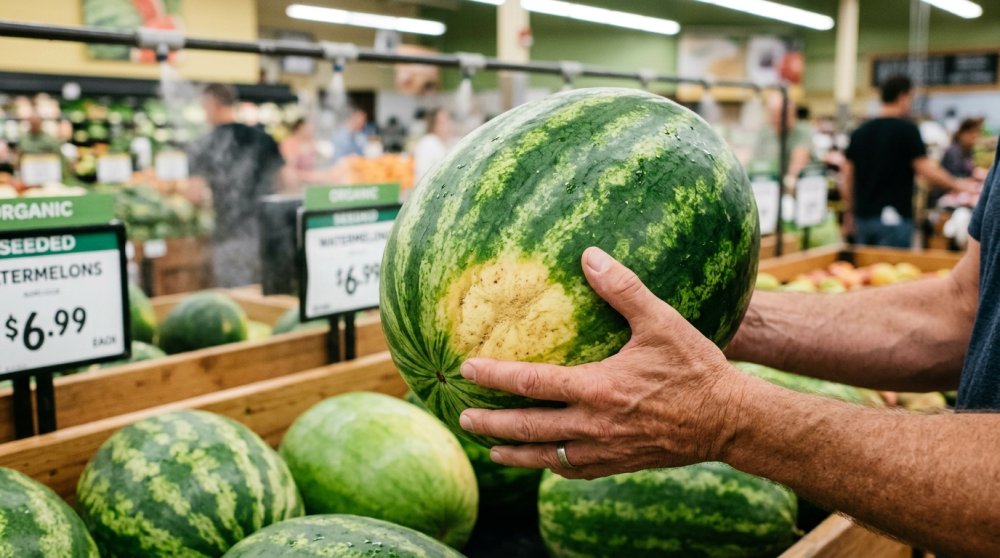
- Selecting a ripe watermelon involves checking for a creamy yellow field spot, which indicates the fruit ripened naturally on the vine
- A dull, matte exterior and hollow sound when tapped signal optimal ripeness and sweetness
- Watermelons provide essential hydration and nutrients including vitamins A and C, making them an ideal summer fruit for health-conscious adults
Summer gatherings and backyard barbecues call for one essential refreshment: ice-cold watermelon. But standing in the produce aisle, surrounded by dozens of seemingly identical melons, many shoppers feel stumped about which one will deliver that perfect burst of sweetness.
The good news? Produce experts and nutritionists have identified reliable methods for selecting the ripest, most flavorful watermelon every single time.
Look for the Field Spot
The most telling sign of a ripe watermelon sits right on its surface. Registered dietitian Sarah Thompson explains that shoppers should search for a creamy yellow patch, known as the field spot, where the melon rested on the ground while ripening.
“A deep yellow or buttery colored field spot means the watermelon had plenty of time to ripen on the vine,” Thompson notes. “If you see a white or pale green spot, that melon was likely picked too early.”
Check the Surface Texture
A watermelon’s exterior tells an important story about what’s inside. Produce managers recommend selecting melons with a dull, matte finish rather than a shiny appearance.
The surface should feel slightly waxy and firm to the touch. Avoid any melons with soft spots, cuts, or irregular bumps, which can indicate internal damage or uneven ripening.
Give It a Tap
The classic knock test remains one of the most reliable selection methods. When tapped with your knuckles, a ripe watermelon produces a deep, hollow sound—similar to tapping on a drum.
An underripe melon will sound more solid or flat, while an overripe specimen produces a dull thud. This simple acoustic test has helped shoppers for generations identify the perfect melon.
Consider the Weight
Size can be deceiving when it comes to watermelons. The ripest melons feel heavy for their size, indicating high water content and juicy flesh inside.
Pick up several melons of similar size and compare their weight. The heaviest one typically offers the most developed, flavorful fruit.
Examine the Shape
While watermelons come in various shapes, consistency matters more than conformity. Look for a symmetrical melon without irregular bulges or flat sides.
Food science experts note that an evenly shaped watermelon received consistent sunlight and water throughout its growing period, leading to more uniform sweetness throughout the fruit.
Inspect the Stem
The stem end provides clues about harvest timing. A dried, brown stem indicates the watermelon ripened fully before being picked.
If the stem looks green or feels moist, the melon may have been harvested prematurely. Some experts also suggest avoiding melons with no stem at all, as the missing piece makes it harder to assess proper ripening.
Nutritional Benefits Worth Seeking
The effort to select a perfect watermelon pays dividends beyond taste. This summertime favorite delivers impressive nutritional value for health-conscious adults.
A two-cup serving provides significant amounts of vitamins A and C, which support immune function and skin health. The high water content—approximately 92 percent—helps maintain hydration during hot weather, particularly important for older adults who may not recognize thirst signals as readily.
Watermelon also contains lycopene, an antioxidant that gives the fruit its red color and has been linked to heart health benefits. Research suggests regular consumption of lycopene-rich foods may support cardiovascular wellness as we age.
Storage and Serving Tips
Once you’ve selected the perfect watermelon, proper storage maximizes freshness and flavor. Whole, uncut melons can stay at room temperature for up to two weeks.
After cutting, store watermelon pieces in an airtight container in the refrigerator, where they’ll remain fresh for three to five days. For the best taste and texture, allow refrigerated watermelon to sit at room temperature for about 15 minutes before serving.
These expert-backed selection strategies take the guesswork out of choosing watermelon, ensuring your next summer gathering features the sweet, refreshing fruit that makes the season memorable.
