Nutrition
The One Bread Type Experts Say Supports Healthy Aging

Health Points
- Whole grain bread provides superior nutritional benefits compared to white or refined grain varieties, offering fiber, B vitamins, and minerals that support healthy aging
- Daily whole grain consumption is associated with reduced risks of heart disease, type 2 diabetes, and certain cancers in adults over 40
- Dietitians recommend checking ingredient labels to ensure “whole grain” or “whole wheat” appears first, avoiding products with added sugars or refined flour
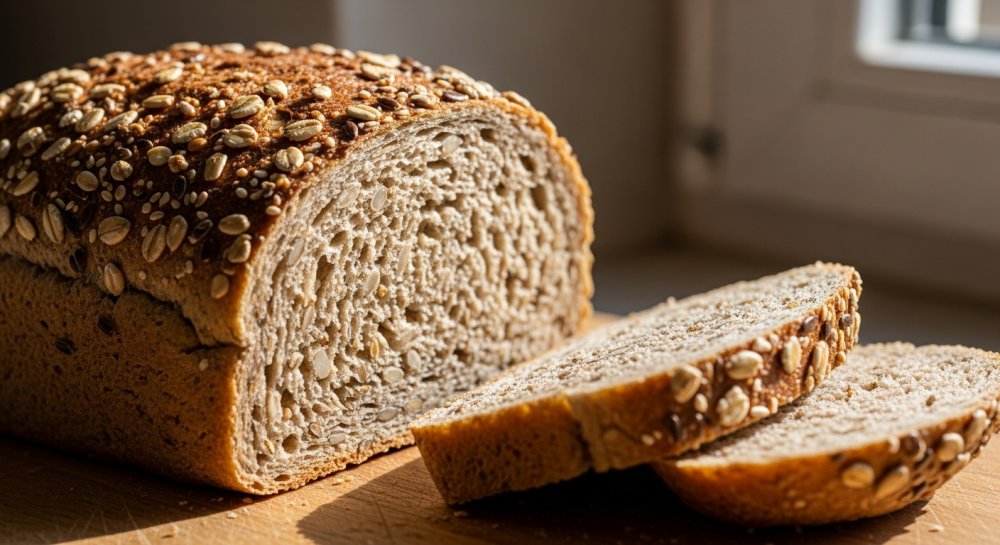
When it comes to selecting the best bread for maintaining health after 40, nutrition experts have reached a clear consensus: whole grain bread stands out as the superior choice for supporting the body’s changing needs with age.
The distinction between whole grain and refined grain products goes beyond simple preference. Whole grains contain all three parts of the grain kernel—the bran, germ, and endosperm—delivering a complete nutritional package that refined grains lack after processing removes their most beneficial components.
“Whole grain breads offer significantly more fiber, B vitamins, and essential minerals like iron, magnesium, and selenium,” explains registered dietitian nutritionist Sarah Johnson, a specialist in adult nutrition. “These nutrients become increasingly important as we age and our bodies require extra support for heart health, digestive function, and maintaining steady energy levels.”
Research consistently demonstrates the health advantages of regular whole grain consumption. Studies published in major nutrition journals show that adults who consume three or more servings of whole grains daily experience lower rates of cardiovascular disease, maintain healthier blood sugar levels, and reduce their risk of developing type 2 diabetes compared to those who primarily eat refined grains.
The fiber content in whole grain bread deserves particular attention for those focused on aging well. A single slice of quality whole grain bread typically provides 3-4 grams of dietary fiber, contributing substantially to the recommended daily intake of 25-30 grams for adults.
“Adequate fiber intake supports digestive health, helps maintain healthy cholesterol levels, and promotes satiety, which can assist with weight management—all important considerations for adults over 40,” notes registered dietitian Emily Chen, who counsels clients on age-appropriate nutrition strategies.
Beyond fiber, whole grain breads deliver important B vitamins including thiamin, riboflavin, and niacin, which support energy metabolism and nervous system function. These breads also contain antioxidants and phytochemicals that may help protect cells from oxidative stress associated with aging.
Not all breads labeled as healthy choices deliver equal nutritional value, however. Nutrition professionals caution consumers to read ingredient lists carefully, looking for products where “whole wheat” or “whole grain” appears as the first ingredient.
“Terms like ‘multigrain,’ ‘wheat bread,’ or ‘7-grain’ don’t necessarily mean you’re getting whole grains,” warns registered dietitian Michael Rodriguez, who frequently educates patients about decoding food labels. “Manufacturers sometimes use these terms on products made primarily with refined flour, adding just small amounts of whole grains or using caramel coloring to achieve a brown appearance.”
Experts recommend selecting breads with minimal added sugars—ideally 2 grams or less per slice—and avoiding products with lengthy ingredient lists full of preservatives and artificial additives. The ingredient panel should be straightforward, listing recognizable items like whole grain flour, water, yeast, and salt.
For individuals with specific health concerns, certain whole grain varieties may offer additional benefits. Sprouted grain breads, made from grains allowed to germinate before processing, may be easier to digest and provide enhanced nutrient availability. Rye and pumpernickel breads offer distinctive flavors while delivering whole grain nutrition, and they tend to have a lower glycemic impact than wheat-based options.
The glycemic index—a measure of how quickly foods raise blood sugar levels—represents another consideration for health-conscious bread selection. Whole grain breads generally have a lower glycemic index than their refined counterparts, promoting more stable blood sugar levels throughout the day.
“Choosing lower glycemic index breads helps prevent the blood sugar spikes and crashes that can affect energy, mood, and long-term metabolic health,” Rodriguez explains. “This becomes particularly relevant for adults concerned about maintaining healthy blood sugar as they age.”
Portion awareness remains important even when selecting nutritious bread options. Nutrition experts typically recommend one to two slices per meal as part of a balanced diet that includes lean proteins, healthy fats, and plenty of vegetables.
Storage practices can help maintain bread freshness and nutritional quality. Whole grain breads, which contain natural oils in the grain germ, can become rancid more quickly than refined breads. Keeping whole grain bread refrigerated or frozen extends its shelf life while preserving its nutritional value and preventing mold growth.
For those who enjoy baking at home, making whole grain bread allows complete control over ingredients and freshness. Home bakers can experiment with different whole grain flours, including whole wheat, spelt, oat, and barley, to create nutritious loaves tailored to personal taste preferences.
The broader dietary pattern matters as much as individual food choices. Incorporating whole grain bread into meals alongside other nutrient-dense foods—such as avocado, nut butters, eggs, or lean turkey—creates satisfying, balanced plates that support overall health goals.
“Whole grain bread serves as an excellent foundation for nutritious meals throughout the day,” Chen observes. “Whether you’re having whole grain toast with almond butter at breakfast or using it for a turkey sandwich loaded with vegetables at lunch, you’re building meals that nourish your body and support healthy aging.”
The investment in quality whole grain bread pays dividends for long-term health. While premium whole grain loaves may cost slightly more than conventional white bread, the nutritional return on investment—including potential reductions in chronic disease risk—makes them a worthwhile choice for health-conscious consumers focused on aging well.
As with any dietary change, individuals with specific health conditions or concerns should consult with healthcare providers or registered dietitians to determine the most appropriate bread choices for their unique nutritional needs and health goals.
