Nutrition
The Surprising Health Benefits Hidden in Your Holiday Cranberry Sauce

Health Points
- Cranberry sauce contains powerful antioxidants called proanthocyanidins that support urinary tract health and may help prevent bacterial infections
- Fresh or minimally processed cranberry preparations offer the most nutritional benefits, including vitamin C, fiber, and anti-inflammatory compounds
- While cranberries are nutritious, store-bought cranberry sauces often contain high amounts of added sugar that can diminish their health advantages
That familiar red condiment gracing holiday tables across America may pack more nutritional punch than many realize. Cranberry sauce, a Thanksgiving staple in countless homes, delivers a range of health benefits rooted in the remarkable properties of these native North American berries.
Cranberries contain unique plant compounds that have captured the attention of nutrition researchers for decades. The distinctive tartness comes from organic acids and polyphenols that provide genuine health advantages beyond simple flavor.
The most celebrated benefit of cranberries relates to urinary tract health. These ruby-red berries contain proanthocyanidins, specialized antioxidants that prevent harmful bacteria from adhering to the urinary tract walls. This natural defense mechanism has made cranberry products a popular home remedy for urinary tract infections, particularly among women who experience recurrent episodes.
Research published in medical journals has demonstrated that regular cranberry consumption may reduce the frequency of urinary tract infections in susceptible individuals. The mechanism works not by killing bacteria, but by creating an inhospitable environment that discourages bacterial colonization.
Beyond urinary health, cranberries deliver substantial amounts of vitamin C, a nutrient essential for immune function, skin health, and wound healing. A half-cup serving of fresh cranberries provides approximately 25% of the recommended daily vitamin C intake. This antioxidant vitamin helps protect cells from damage caused by free radicals, unstable molecules linked to aging and chronic disease.
The fiber content in whole cranberries supports digestive health and helps maintain stable blood sugar levels. Dietary fiber promotes feelings of fullness, aids in healthy digestion, and feeds beneficial gut bacteria that contribute to overall wellness.
Cranberries also contain anti-inflammatory compounds that may benefit heart health. Studies suggest that regular consumption of cranberry products can improve cholesterol profiles by raising HDL (good) cholesterol while lowering LDL (bad) cholesterol levels. The polyphenols in cranberries may also help reduce blood pressure and improve blood vessel function.
Emerging research points to potential benefits for oral health as well. The same compounds that prevent bacteria from adhering to urinary tract tissues may also inhibit bacteria from sticking to teeth and gums, potentially reducing the risk of cavities and gum disease.
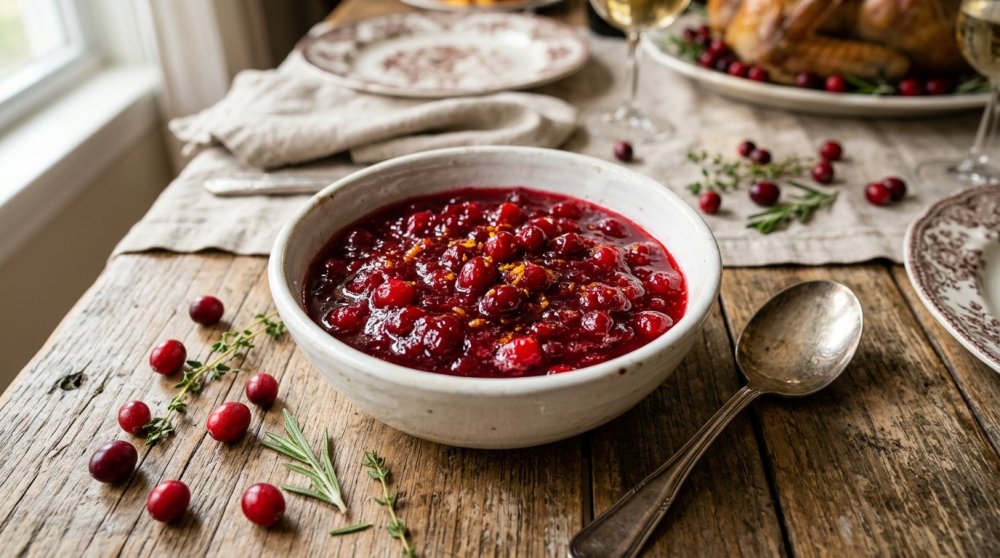
However, the form in which cranberries are consumed makes a significant difference in their health impact. Traditional homemade cranberry sauce made with fresh berries and moderate amounts of natural sweeteners retains most of the fruit’s beneficial compounds. Fresh cranberries, whether whole or sauce, provide the highest concentration of nutrients and antioxidants.
The situation changes dramatically with commercial cranberry sauce products. Many store-bought varieties contain substantial amounts of added sugar to counteract the natural tartness of cranberries. A typical canned cranberry sauce may contain 20-30 grams of sugar per serving, potentially negating many of the fruit’s health benefits.
Excessive sugar consumption has been linked to weight gain, increased inflammation, elevated blood sugar levels, and higher risk of chronic diseases including type 2 diabetes and heart disease. When cranberry sauce becomes primarily a sugar delivery vehicle, its nutritional value diminishes considerably.
For those seeking to maximize the health benefits of cranberry sauce at holiday meals, nutrition experts recommend several strategies. Preparing homemade cranberry sauce allows control over sugar content and ingredient quality. Using natural sweeteners like honey or maple syrup in moderation, or incorporating naturally sweet fruits like oranges or apples, can reduce the need for excessive added sugar.
Another option involves choosing cranberry products labeled “no sugar added” or “unsweetened,” though these may require an acquired taste for those accustomed to sweeter preparations. Gradually reducing sugar content in homemade recipes over time can help palates adjust to the natural cranberry flavor.
Portion control also matters. Even healthier versions of cranberry sauce should be enjoyed in reasonable amounts as part of a balanced meal. A serving size of two to three tablespoons provides cranberry benefits without excessive calorie or sugar intake.
For year-round urinary tract health support, pure cranberry juice (not cranberry juice cocktail) or cranberry supplements offer alternatives to seasonal cranberry sauce. These products provide concentrated amounts of the beneficial compounds without the sugar load of traditional preparations.
The nutritional profile of cranberries places them among the healthiest fruits available. Their deep red color signals the presence of anthocyanins, powerful antioxidants also found in blueberries, blackberries, and red cabbage. These compounds have been studied for potential protective effects against certain cancers, cognitive decline, and cardiovascular disease.
Cranberries are naturally low in calories, with one cup of fresh berries containing only about 46 calories. This makes them an excellent choice for those managing weight while seeking nutrient-dense foods. The combination of fiber, water content, and beneficial plant compounds creates a satisfying food that supports health goals.
As families gather for holiday celebrations, the humble cranberry sauce represents more than tradition. When prepared thoughtfully with minimal processing and moderate sweetening, this festive side dish delivers tangible health benefits rooted in the nutritional wisdom of a uniquely American fruit.
The key lies in balancing tradition with nutrition awareness, honoring the cranberry’s natural properties while making informed choices about preparation methods and portion sizes. With these considerations in mind, cranberry sauce can be both a delicious holiday treat and a contribution to year-round wellness.
