Nutrition
The Surprising Foods That Beat Brussels Sprouts in Vitamin C

Health Points
- Red bell peppers contain 95 mg of vitamin C per half-cup serving, nearly double that of Brussels sprouts
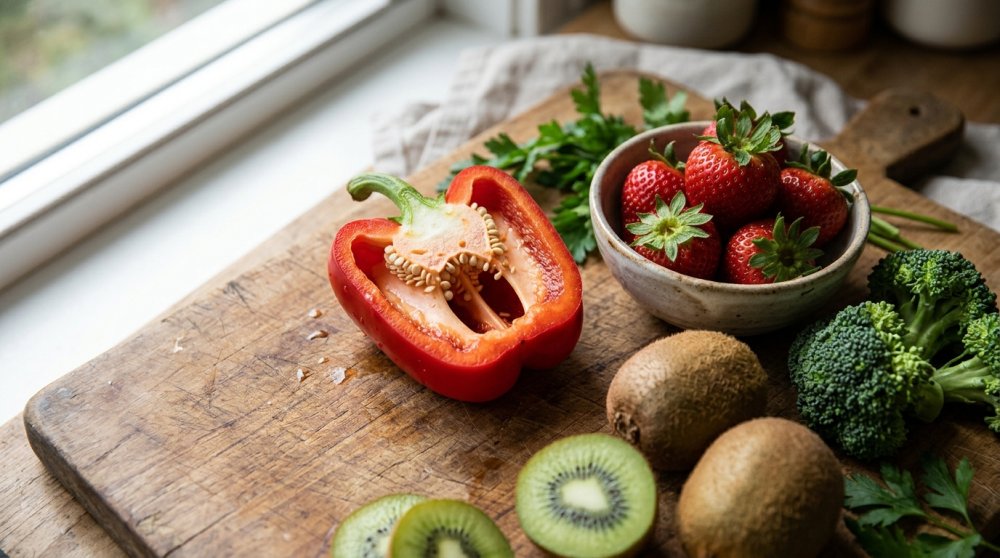
- Strawberries, kiwifruit, and broccoli are excellent alternatives to citrus for meeting daily vitamin C needs
- Getting adequate vitamin C supports immune function, collagen production, and iron absorption in adults over 40
When it comes to vitamin C, most people immediately think of oranges and other citrus fruits. But Brussels sprouts have long been recognized as another powerhouse source of this essential nutrient. What many don’t realize is that several common foods actually contain even more vitamin C than these miniature cabbages.
Brussels sprouts provide approximately 49 milligrams of vitamin C per half-cup cooked serving, which is a respectable amount. However, nutritionists point to at least four everyday foods that surpass this cruciferous vegetable in vitamin C content.
Red Bell Peppers Lead the Pack
Topping the list are red bell peppers, which deliver an impressive 95 milligrams of vitamin C in just half a cup of raw, chopped pepper. That’s nearly double the amount found in Brussels sprouts and significantly more than an orange.
The vibrant red color indicates the pepper has reached full maturity, which corresponds to peak nutrient content. Green bell peppers, while still nutritious, contain less vitamin C because they’re harvested before full ripeness.
Strawberries Offer Sweet Nutrition
Fresh strawberries provide about 49 milligrams of vitamin C per half-cup serving when sliced. While this matches Brussels sprouts gram for gram, whole strawberries in a typical serving often exceed this amount.
These berries also deliver antioxidants, fiber, and manganese, making them a nutritionally dense choice for adults focused on maintaining health through their 40s, 50s, and beyond. Unlike Brussels sprouts, strawberries require no cooking, making them convenient for quick snacks or breakfast additions.
Kiwifruit Packs a Powerful Punch
One medium kiwifruit contains approximately 64 milligrams of vitamin C, exceeding Brussels sprouts by about 30%. The fuzzy fruit also provides vitamin K, vitamin E, folate, and potassium.
For those who find the fuzzy skin unappealing, gold kiwifruit varieties offer a smooth exterior and an even higher vitamin C content. The fruit’s tartness comes from its high vitamin C concentration, which helps support collagen production—particularly important for maintaining skin elasticity as we age.
Broccoli Remains a Reliable Source
Raw broccoli contains about 51 milligrams of vitamin C per half-cup serving, slightly edging out Brussels sprouts. Interestingly, both vegetables belong to the same cruciferous family and share similar nutritional profiles.
The advantage of broccoli lies in its versatility and wider acceptance among those who find Brussels sprouts too bitter. Steaming broccoli lightly preserves more vitamin C than boiling, though some nutrient loss occurs with any cooking method.
Why Vitamin C Matters After 40
Vitamin C serves multiple critical functions in the body, particularly as we age. It acts as a powerful antioxidant, supports immune system function, and plays an essential role in collagen synthesis.
Collagen production naturally declines with age, contributing to wrinkles, joint discomfort, and reduced skin elasticity. Adequate vitamin C intake helps slow this process by supporting the body’s natural collagen production mechanisms.
The nutrient also enhances iron absorption from plant-based foods, which becomes increasingly important for those reducing meat consumption. For adults over 40, the recommended daily intake is 90 milligrams for men and 75 milligrams for women, though smokers and those under significant stress may require more.
Maximizing Vitamin C Intake
Because vitamin C is water-soluble, the body doesn’t store it for long periods. This means regular daily intake through food is necessary to maintain optimal levels.
Heat and water can degrade vitamin C content, so consuming these foods raw or lightly cooked preserves the most nutrients. Pairing vitamin C-rich vegetables with healthy fats can also improve the absorption of fat-soluble vitamins often found in the same foods.
For those looking to diversify their vitamin C sources beyond citrus and Brussels sprouts, incorporating red bell peppers into salads, enjoying fresh strawberries with breakfast, snacking on kiwifruit, or adding raw broccoli to vegetable platters are all excellent strategies. These whole-food sources provide vitamin C alongside other beneficial nutrients, offering a more complete nutritional package than supplements alone.
