Nutrition
The Seven Salad Dressings That Nutrition Experts Keep in Their Kitchens

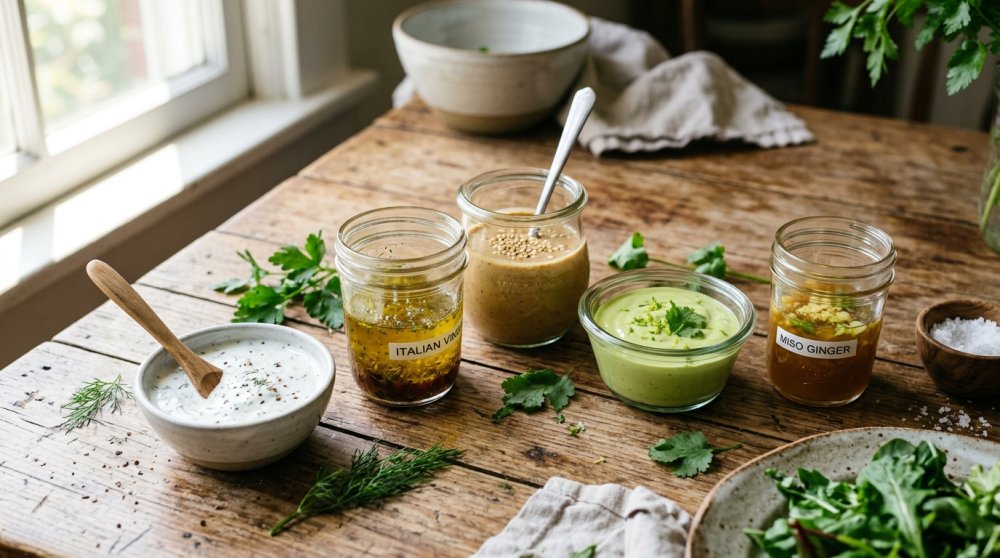
Health Points
- Expert-approved salad dressings combine healthy fats from olive oil with minimal added sugars and sodium
- Homemade vinaigrettes offer superior nutritional value and flavor customization compared to most store-bought options
- Simple ingredient lists featuring whole foods like avocado, tahini, and Greek yogurt signal healthier dressing choices
For health-conscious Americans over 40, the quest for nutritious eating often leads straight to the salad bowl—but the dressing you choose can make or break your wellness goals. Nutrition experts now reveal that the healthiest options share common characteristics: quality fats, minimal processing, and ingredients you can pronounce.
The foundation of any nutritious dressing starts with healthy fats, according to registered dietitians. Extra virgin olive oil stands out as the gold standard, delivering heart-protective monounsaturated fats and anti-inflammatory compounds. Avocado oil offers similar benefits with a milder flavor profile that appeals to those new to healthier eating.
The best salad dressings enhance nutrient absorption while adding their own health benefits,
explains a registered dietitian nutritionist.
Fat-soluble vitamins like A, D, E, and K need dietary fat to be properly absorbed by your body.
Classic vinaigrettes earn top marks from nutrition professionals for their simplicity and versatility. A basic formula of three parts oil to one part vinegar creates an emulsion that clings beautifully to greens. Balsamic, red wine, and apple cider vinegars each bring distinct flavor profiles along with potential blood sugar benefits.
Greek yogurt-based dressings provide a creamy alternative without the saturated fat found in traditional ranch or blue cheese varieties. The protein content helps extend satiety, making salads more satisfying as complete meals. Adding fresh herbs like dill, parsley, or chives boosts both flavor and antioxidant content.
Tahini dressings have gained popularity among health enthusiasts for good reason. This sesame seed paste delivers plant-based protein, calcium, and healthy fats. Thinned with lemon juice and garlic, tahini creates a Middle Eastern-inspired dressing that pairs exceptionally well with hearty grain bowls and roasted vegetable salads.
Avocado-based dressings offer creamy texture along with potassium, fiber, and heart-healthy monounsaturated fats. Blending ripe avocado with lime juice, cilantro, and a touch of olive oil creates a dressing that doubles as a nutritious dip. The natural creaminess means no need for added sugars or thickeners.
Citrus vinaigrettes brighten salads while adding vitamin C and immune-supporting compounds. Fresh lemon, lime, or orange juice combined with quality oil creates vibrant dressings that require no added sweeteners. The acidity helps tenderize tougher greens like kale while enhancing mineral absorption.
Miso-ginger dressings bring probiotic benefits along with bold Asian-inspired flavor. Fermented miso paste supports digestive health while providing umami depth. Combined with fresh ginger, rice vinegar, and sesame oil, this dressing transforms simple greens into restaurant-quality salads.
When selecting store-bought options, nutrition experts recommend reading labels carefully. Look for dressings with olive oil or avocado oil listed as the first ingredient. Avoid products with added sugars appearing in the first five ingredients, and watch for sodium content exceeding 200 milligrams per serving.
Homemade dressings take just minutes to prepare and taste significantly better than most bottled versions,
notes a culinary nutritionist.
You control exactly what goes in, which means no unnecessary preservatives or hidden sugars.
The serving size matters as much as the ingredients. Even the healthiest dressing becomes problematic when overused. Nutrition professionals suggest measuring two tablespoons per salad—enough to coat the greens without drowning them. Using a spray bottle helps distribute dressing more evenly with less volume.
Storage and freshness impact both flavor and nutritional value. Homemade dressings containing fresh ingredients should be refrigerated and used within one week. Bringing dressings to room temperature before serving enhances flavor and improves the way they coat salad ingredients.
For those managing specific health conditions, dressing choices carry additional considerations. People monitoring blood pressure benefit from low-sodium options, while those watching cholesterol should prioritize plant-based fats. Individuals managing diabetes need to scrutinize sugar content carefully, as some commercial dressings contain surprising amounts.
The versatility of healthy dressings extends beyond salads. These same vinaigrettes and creamy blends work beautifully as marinades for poultry and fish, as vegetable roasting glazes, or as flavorful finishing sauces for grain bowls. This multipurpose approach maximizes both nutritional benefits and kitchen efficiency.
Traditional American eating patterns have long relied on heavy, cream-based dressings loaded with additives. Making the switch to cleaner, more nutritious options represents a simple yet powerful step toward better health. The flavor payoff often surprises people who expect healthy eating to mean sacrifice.
Quality ingredients make the difference between mediocre and exceptional homemade dressings. Investing in good extra virgin olive oil, real aged balsamic vinegar, and fresh herbs elevates everyday salads into meals worth anticipating. The cost per serving typically runs lower than premium bottled dressings while delivering superior taste and nutrition.
For families looking to improve eating habits together, involving children in dressing preparation builds healthy skills and enthusiasm. Even young helpers can shake vinaigrettes in sealed jars or help measure ingredients. This hands-on experience often increases willingness to try new vegetables.
The return to simple, whole-food-based dressings reflects broader American values of self-reliance and quality. Taking control of what goes into your food rather than depending on processed products aligns with traditional principles of personal responsibility. Your health outcomes improve when you make informed choices about every component of your meals.
